As an area of special clinical expertise for Dr. Woodruff, allergic contact dermatitis and skin allergy require careful detective work. These articles explore common allergens, patch testing, fragrance sensitivity, preservatives, rubber, nickel, and everyday products that may be quietly triggering rashes, irritation, or sensitive skin.

The Truth About Natural vs. Synthetic Fragrances: A Dermatologist's Take
Natural and synthetic fragrances can both trigger irritation, allergic reactions and contact dermatitis. Here’s what sensitive-skin patients should know.
Allergic Contact Dermatitis
2 min read

Could Rubber Be Causing Your Rash?
Rubber ingredients in gloves, shoes and elastic can trigger allergic contact dermatitis. Learn the signs of rubber allergy and what to avoid.
Allergic Contact Dermatitis
2 min read

The Scented Saboteur: How Your Favorite Products Are Waging War on Your Skin
Fragrance in skincare, haircare and household products can trigger rashes and allergic contact dermatitis. Learn how to spot hidden irritants.
Allergic Contact Dermatitis
3 min read

Nickel Allergy: The Most Common Metal Sensitivity Affecting Millions
Nickel allergy is one of the most common causes of allergic contact dermatitis. Learn where nickel hides and how to reduce skin reactions.
Allergic Contact Dermatitis
3 min read

The Hidden Culprit in Your Skincare: Understanding Isothiazolinone Preservatives
Isothiazolinone preservatives can trigger allergic contact dermatitis in skincare, soaps and household products. Learn where this allergen hides.
Allergic Contact Dermatitis
3 min read
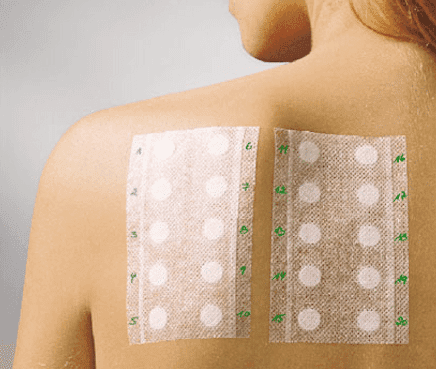
Understanding Patch Testing: Your Guide to Identifying Contact Allergies
Patch testing helps identify ingredients that may be causing allergic contact dermatitis, rashes or sensitive-skin reactions. Here’s how it works.
Allergic Contact Dermatitis
3 min read
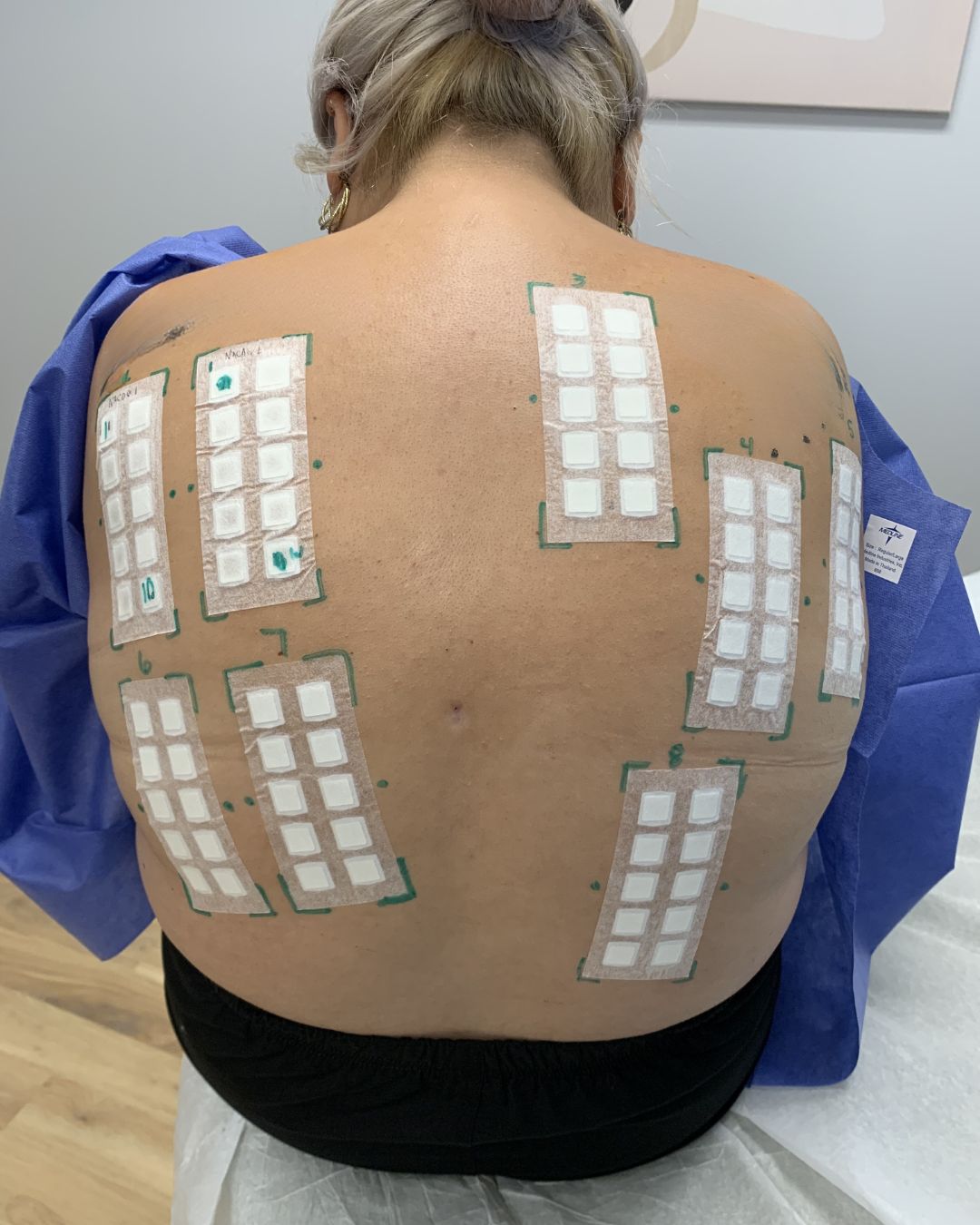
How to Prepare for Patch Testing
Preparing for patch testing? Learn what to avoid, what to expect and how to help your dermatologist get the most accurate allergy results.