Allergic Contact Dermatitis
3 min read
The Hidden Culprit in Your Skincare: Understanding Isothiazolinone Preservatives
The Hidden Culprit in Your Skincare: Understanding Isothiazolinone Preservatives
Isothiazolinone preservatives can trigger allergic contact dermatitis in skincare, soaps and household products. Learn where this allergen hides.

THE BIG TAKEAWAY
Allergic Contact Dermatitis
3 min read
The Hidden Culprit in Your Skincare: Understanding Isothiazolinone Preservatives
Isothiazolinone preservatives can trigger allergic contact dermatitis in skincare, soaps and household products. Learn where this allergen hides.
SHARE
SHARE
SAVE
SAVE
If you've ever developed an inexplicable rash after trying a new shampoo, makeup remover, or household cleaner, you might have encountered one of the most common contact allergens of the 21st century: isothiazolinone preservatives. Despite their tongue-twisting name, these chemicals have become ubiquitous in our daily lives – and they're causing allergic reactions at an alarming rate.
The Rise of a Modern Allergen
Isothiazolinones weren't always a problem. In fact, they were initially hailed as a breakthrough in preservation technology when they were introduced in the 1970s. These powerful antimicrobial agents were incredibly effective at preventing bacterial and fungal growth in products, and they seemed like the perfect solution for formulators looking to keep their products safe and stable.
However, what we've discovered over the past few decades is sobering. Contact allergy to isothiazolinones has reached what dermatologists now consider epidemic proportions. It finally appears to be downtrending (driven by changes in regulation of this preservative in Canada and Europe), but in my practice, I continue to see patients with isothiazolinone allergies very regularly.
By the Numbers: A Growing Epidemic
The statistics around isothiazolinone sensitivity are striking:
Contact allergy rates have increased by over 7-fold in the past two decades
Current studies show that 3-5% of the general population is now allergic to these preservatives
Among patients with suspected contact dermatitis, positive patch test rates exceed 10% in many studies
Children and young adults are increasingly affected, with some studies showing rates as high as 8% in pediatric populations
The Science Behind the Sensitivity
There are several types of isothiazolinone preservatives, but the main culprits are:
Methylisothiazolinone (MI) – Often used alone in rinse-off products
Methylchloroisothiazolinone (MCI) – Typically used in combination with MI
Benzisothiazolinone (BIT) – Common in household and industrial products
Once someone develops an allergy to isothiazolinones, even tiny amounts can cause significant reactions.
Where Are You Exposed? Common Sources
The challenge with isothiazolinone allergies is that these preservatives are everywhere. Here are the most common sources I see in my practice:
Personal Care Products
Shampoos and conditioners
Body washes and soaps
Makeup removers and cleansing wipes
Moisturizers and lotions
Sunscreens
Deodorants
Household Products
Laundry detergents (a major source of exposure)
Fabric softeners
Dishwashing liquids
All-purpose cleaners
Paint and coatings
Adhesives and glues
Unexpected Sources
Baby wipes and wet wipes
Hand sanitizers
Contact lens solutions
Printer inks
Leather products
Some medications and topical treatments
Disposable gloves
Recognizing the Reaction
Isothiazolinone allergies typically present as allergic contact dermatitis, which can look like:
Red, inflamed, itchy skin
Scaling or flaking
Small blisters or bumps
Skin that feels burning or stinging
The best way to confirm an allergy to isothiazolinone preservatives is through patch testing.
If you've ever developed an inexplicable rash after trying a new shampoo, makeup remover, or household cleaner, you might have encountered one of the most common contact allergens of the 21st century: isothiazolinone preservatives. Despite their tongue-twisting name, these chemicals have become ubiquitous in our daily lives – and they're causing allergic reactions at an alarming rate.
The Rise of a Modern Allergen
Isothiazolinones weren't always a problem. In fact, they were initially hailed as a breakthrough in preservation technology when they were introduced in the 1970s. These powerful antimicrobial agents were incredibly effective at preventing bacterial and fungal growth in products, and they seemed like the perfect solution for formulators looking to keep their products safe and stable.
However, what we've discovered over the past few decades is sobering. Contact allergy to isothiazolinones has reached what dermatologists now consider epidemic proportions. It finally appears to be downtrending (driven by changes in regulation of this preservative in Canada and Europe), but in my practice, I continue to see patients with isothiazolinone allergies very regularly.
By the Numbers: A Growing Epidemic
The statistics around isothiazolinone sensitivity are striking:
Contact allergy rates have increased by over 7-fold in the past two decades
Current studies show that 3-5% of the general population is now allergic to these preservatives
Among patients with suspected contact dermatitis, positive patch test rates exceed 10% in many studies
Children and young adults are increasingly affected, with some studies showing rates as high as 8% in pediatric populations
The Science Behind the Sensitivity
There are several types of isothiazolinone preservatives, but the main culprits are:
Methylisothiazolinone (MI) – Often used alone in rinse-off products
Methylchloroisothiazolinone (MCI) – Typically used in combination with MI
Benzisothiazolinone (BIT) – Common in household and industrial products
Once someone develops an allergy to isothiazolinones, even tiny amounts can cause significant reactions.
Where Are You Exposed? Common Sources
The challenge with isothiazolinone allergies is that these preservatives are everywhere. Here are the most common sources I see in my practice:
Personal Care Products
Shampoos and conditioners
Body washes and soaps
Makeup removers and cleansing wipes
Moisturizers and lotions
Sunscreens
Deodorants
Household Products
Laundry detergents (a major source of exposure)
Fabric softeners
Dishwashing liquids
All-purpose cleaners
Paint and coatings
Adhesives and glues
Unexpected Sources
Baby wipes and wet wipes
Hand sanitizers
Contact lens solutions
Printer inks
Leather products
Some medications and topical treatments
Disposable gloves
Recognizing the Reaction
Isothiazolinone allergies typically present as allergic contact dermatitis, which can look like:
Red, inflamed, itchy skin
Scaling or flaking
Small blisters or bumps
Skin that feels burning or stinging
The best way to confirm an allergy to isothiazolinone preservatives is through patch testing.
SHOP MY SHELF
SHOP MY SHELF
SHOP MY SHELF

Saie Glowy Super Skin Tint Foundation
This lightweight skin tint blends skincare and makeup with buildable coverage, helping hydrate, brighten, and leave skin with a luminous finish.
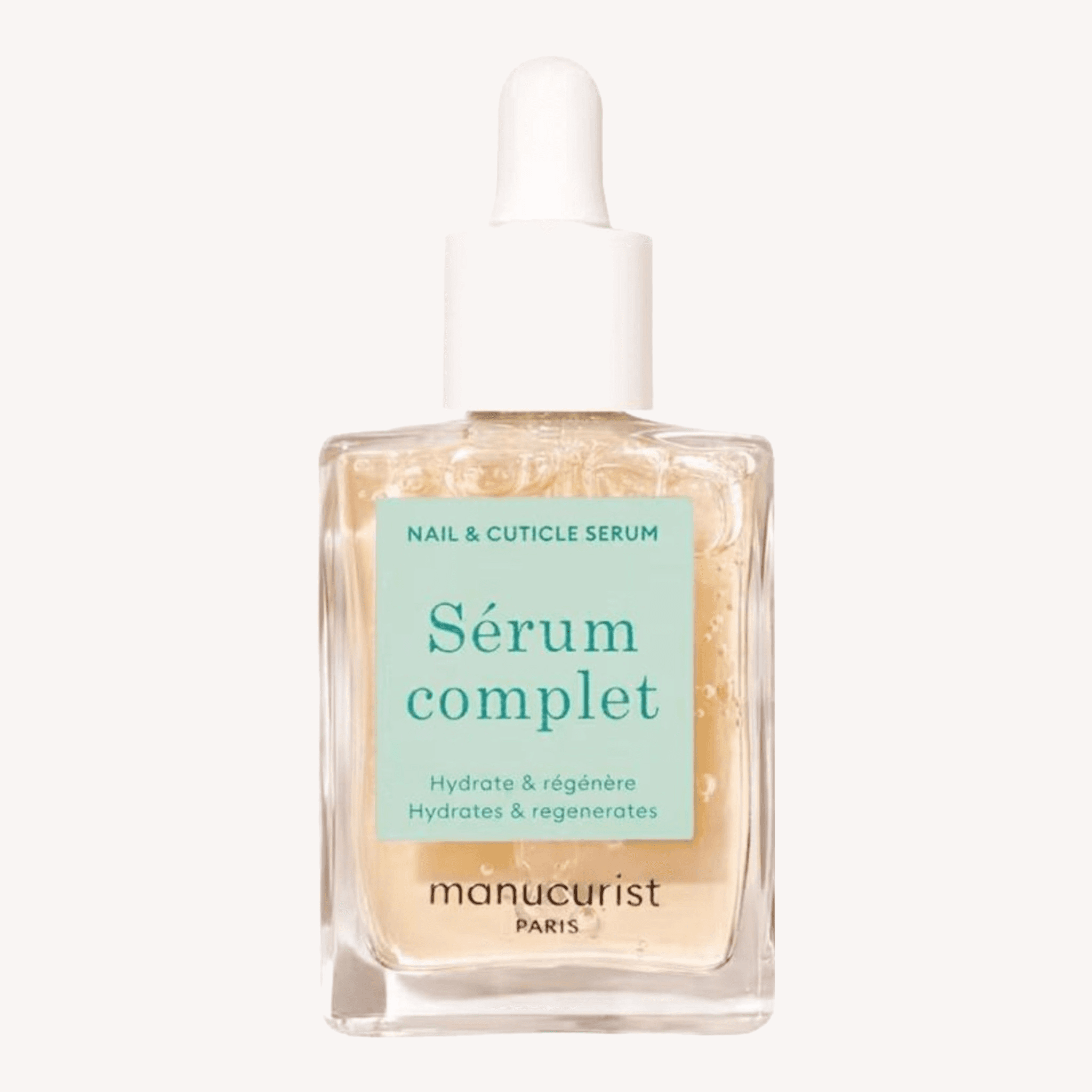
Manucurist Complete Serum Nail Strengthener
This nail and cuticle serum hydrates, strengthens, and revitalizes with chestnut extract, panthenol, and plant-based glycerin for healthier-looking nails.

AlphaRet Overnight Cream
This overnight cream combines a retinoid and alpha hydroxy acid to smooth fine lines, refine texture, and support brighter, renewed skin.

Prequel Retinal Renew Retinaldehyde Gel
This retinaldehyde gel supports visible skin renewal with 0.1% retinal, helping smooth fine lines, refine texture, and promote a more even complexion.
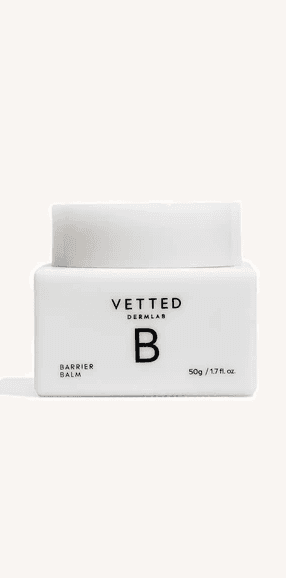
Vetted Dermlab B Balm
VETTED B Balm is a fragrance-free, sensitive-skin-safe formula that soothes, repairs, and restores dry, irritated skin and lips with barrier-supporting lipids and calming actives.
Saie Glowy Super Skin Tint Foundation
This lightweight skin tint blends skincare and makeup with buildable coverage, helping hydrate, brighten, and leave skin with a luminous finish.
Prequel Retinal Renew Retinaldehyde Gel
This retinaldehyde gel supports visible skin renewal with 0.1% retinal, helping smooth fine lines, refine texture, and promote a more even complexion.
Saie Glowy Super Skin Tint Foundation
This lightweight skin tint blends skincare and makeup with buildable coverage, helping hydrate, brighten, and leave skin with a luminous finish.
Manucurist Complete Serum Nail Strengthener
This nail and cuticle serum hydrates, strengthens, and revitalizes with chestnut extract, panthenol, and plant-based glycerin for healthier-looking nails.
AlphaRet Overnight Cream
This overnight cream combines a retinoid and alpha hydroxy acid to smooth fine lines, refine texture, and support brighter, renewed skin.

Carina Woodruff, MD
Carina Woodruff, MD
Founder and Board-Certified Dermatologist
Founder and Board-Certified Dermatologist
Board-certified dermatologist helping patients achieve healthy, confident skin with evidence-based care, thoughtful guidance, and realistic routines.
Board-certified dermatologist helping patients achieve healthy, confident skin with evidence-based care, thoughtful guidance, and realistic routines.