Allergic Contact Dermatitis
3 min read
Understanding Patch Testing: Your Guide to Identifying Contact Allergies
Understanding Patch Testing: Your Guide to Identifying Contact Allergies
Patch testing helps identify ingredients that may be causing allergic contact dermatitis, rashes or sensitive-skin reactions. Here’s how it works.
THE BIG TAKEAWAY
Allergic Contact Dermatitis
3 min read
Understanding Patch Testing: Your Guide to Identifying Contact Allergies
Patch testing helps identify ingredients that may be causing allergic contact dermatitis, rashes or sensitive-skin reactions. Here’s how it works.
SHARE
SHARE
SAVE
SAVE
If you've ever developed a mysterious rash, persistent eczema, or irritating skin reactions that just won't go away, you might just need patch testing. As a dermatologist, I often see patients who've been struggling with unexplained skin issues for months or even years, only to discover through patch testing that a common household product or cosmetic ingredient has been the culprit all along.
What is Patch Testing?
Patch testing is a diagnostic tool we use to identify contact allergies – reactions that occur when your skin comes into contact with substances that trigger an allergic response. Unlike prick tests that check for immediate allergic reactions (like those to pollen or foods), patch testing identifies delayed allergic reactions that can take 24-72 hours to develop.
Think of it as detective work for your skin. We're essentially recreating the conditions that might be causing your reaction in a controlled, safe environment to pinpoint exactly what's triggering your symptoms.
What Conditions Does Patch Testing Diagnose?
Patch testing is particularly valuable for diagnosing:
Allergic contact dermatitis – red, itchy, inflamed skin caused by allergen exposure
Chronic hand eczema that doesn't respond to typical treatments
Persistent facial rashes that might be caused by cosmetics or skincare products
Occupational dermatitis related to workplace exposures
Worsening chronic eczema that seems to flare without obvious triggers
The Patch Testing Process: What to Expect
Day 1: Application
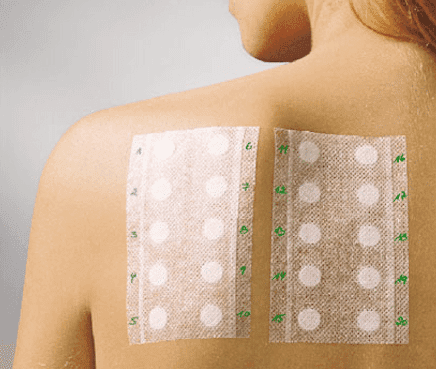
During your first appointment, I'll apply small patches containing common allergens to your back. These patches contain standardized amounts of substances like fragrances, preservatives, metals (like nickel), and other chemicals commonly found in everyday products. The patches are secured with hypoallergenic tape and must stay dry and in place.
Day 3: Removal
Patches are removed 48 hours after placement. Some reactions may be visible at this point, but many take longer to develop.
Day 5-7: Final Reading (Friday or Monday)
This is the most important visit. I'll examine each test site for signs of allergic reactions, which can range from mild redness to more significant inflammation. The delayed nature of these reactions is why this final reading is crucial – many allergens don't show their true colors until this point.
What the Results Mean
A positive result doesn't automatically mean that substance is causing your current skin problems – it means you're allergic to it and should avoid it going forward.
Preparing for Your Patch Test
To ensure accurate results:
Stop topical steroids on your back 1 week before testing
Avoid oral steroids and immunosuppressants if possible
Don't get a sunburn or tan on your back before testing
Inform me of all medications you're taking
Bring a list of products you use regularly (we might test some of these too!)
After Your Patch Test
Once we identify your specific allergens, the real work begins. I'll provide you with:
A comprehensive list of products to avoid
Alternative product recommendations
Guidance on reading ingredient labels
The Impact of Knowing Your Allergens
I've seen patients whose lives changed dramatically after patch testing. One patient had chronic hand dermatitis for years – turns out she was allergic to a preservative in her hand soap. Another had persistent facial rashes that cleared completely once we identified her fragrance allergy and she switched to fragrance-free products.
Knowledge is power when it comes to contact allergies. While it might seem overwhelming at first to avoid certain ingredients, most patients find that once they know what to avoid, their skin finally has a chance to heal.
Contact us to schedule your patch testing consultation.
If you've ever developed a mysterious rash, persistent eczema, or irritating skin reactions that just won't go away, you might just need patch testing. As a dermatologist, I often see patients who've been struggling with unexplained skin issues for months or even years, only to discover through patch testing that a common household product or cosmetic ingredient has been the culprit all along.
What is Patch Testing?
Patch testing is a diagnostic tool we use to identify contact allergies – reactions that occur when your skin comes into contact with substances that trigger an allergic response. Unlike prick tests that check for immediate allergic reactions (like those to pollen or foods), patch testing identifies delayed allergic reactions that can take 24-72 hours to develop.
Think of it as detective work for your skin. We're essentially recreating the conditions that might be causing your reaction in a controlled, safe environment to pinpoint exactly what's triggering your symptoms.
What Conditions Does Patch Testing Diagnose?
Patch testing is particularly valuable for diagnosing:
Allergic contact dermatitis – red, itchy, inflamed skin caused by allergen exposure
Chronic hand eczema that doesn't respond to typical treatments
Persistent facial rashes that might be caused by cosmetics or skincare products
Occupational dermatitis related to workplace exposures
Worsening chronic eczema that seems to flare without obvious triggers
The Patch Testing Process: What to Expect
Day 1: Application
During your first appointment, I'll apply small patches containing common allergens to your back. These patches contain standardized amounts of substances like fragrances, preservatives, metals (like nickel), and other chemicals commonly found in everyday products. The patches are secured with hypoallergenic tape and must stay dry and in place.
Day 3: Removal
Patches are removed 48 hours after placement. Some reactions may be visible at this point, but many take longer to develop.
Day 5-7: Final Reading (Friday or Monday)
This is the most important visit. I'll examine each test site for signs of allergic reactions, which can range from mild redness to more significant inflammation. The delayed nature of these reactions is why this final reading is crucial – many allergens don't show their true colors until this point.
What the Results Mean
A positive result doesn't automatically mean that substance is causing your current skin problems – it means you're allergic to it and should avoid it going forward.
Preparing for Your Patch Test
To ensure accurate results:
Stop topical steroids on your back 1 week before testing
Avoid oral steroids and immunosuppressants if possible
Don't get a sunburn or tan on your back before testing
Inform me of all medications you're taking
Bring a list of products you use regularly (we might test some of these too!)
After Your Patch Test
Once we identify your specific allergens, the real work begins. I'll provide you with:
A comprehensive list of products to avoid
Alternative product recommendations
Guidance on reading ingredient labels
The Impact of Knowing Your Allergens
I've seen patients whose lives changed dramatically after patch testing. One patient had chronic hand dermatitis for years – turns out she was allergic to a preservative in her hand soap. Another had persistent facial rashes that cleared completely once we identified her fragrance allergy and she switched to fragrance-free products.
Knowledge is power when it comes to contact allergies. While it might seem overwhelming at first to avoid certain ingredients, most patients find that once they know what to avoid, their skin finally has a chance to heal.
Contact us to schedule your patch testing consultation.
SHOP MY SHELF
SHOP MY SHELF
SHOP MY SHELF

Saie Glowy Super Skin Tint Foundation
This lightweight skin tint blends skincare and makeup with buildable coverage, helping hydrate, brighten, and leave skin with a luminous finish.
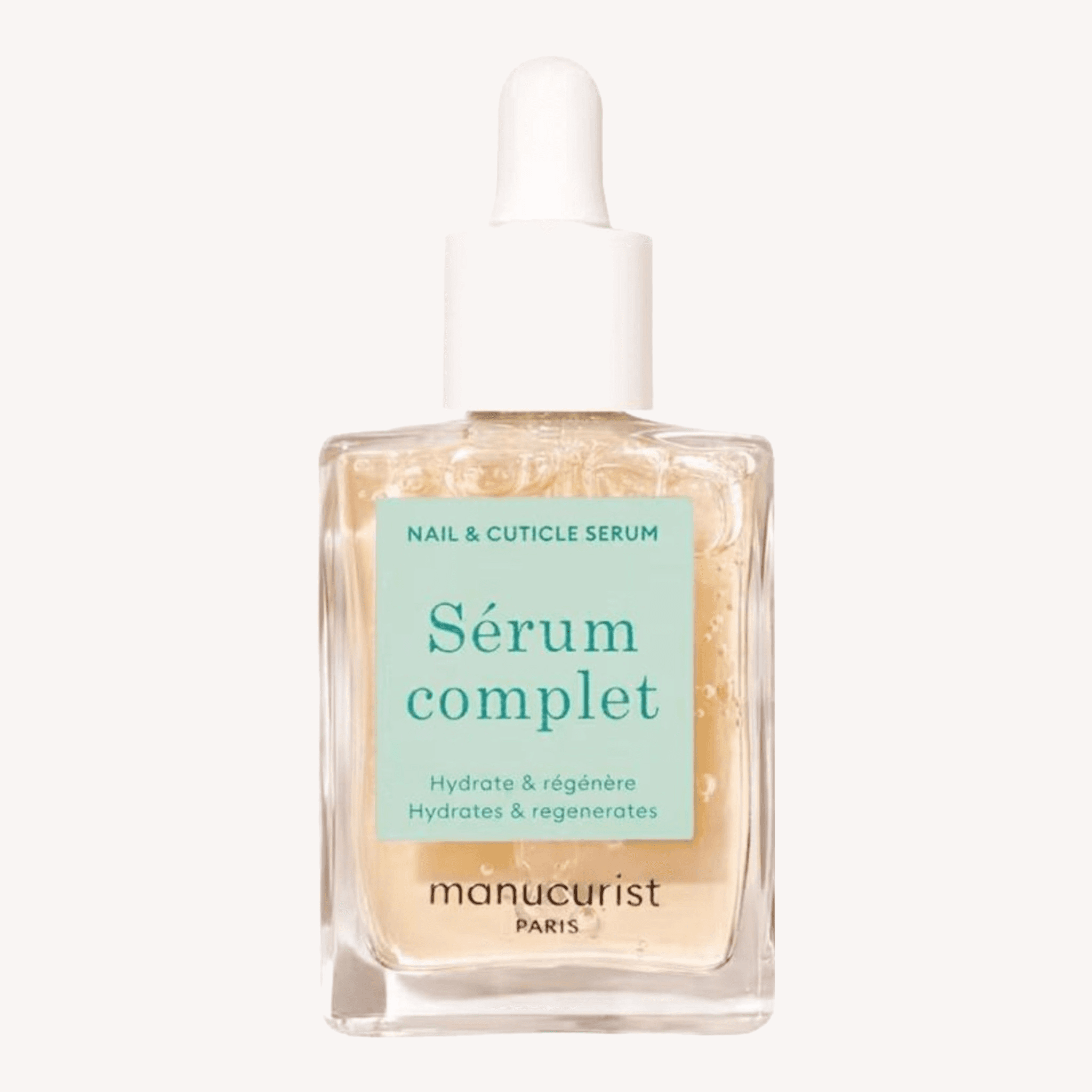
Manucurist Complete Serum Nail Strengthener
This nail and cuticle serum hydrates, strengthens, and revitalizes with chestnut extract, panthenol, and plant-based glycerin for healthier-looking nails.

AlphaRet Overnight Cream
This overnight cream combines a retinoid and alpha hydroxy acid to smooth fine lines, refine texture, and support brighter, renewed skin.

Prequel Retinal Renew Retinaldehyde Gel
This retinaldehyde gel supports visible skin renewal with 0.1% retinal, helping smooth fine lines, refine texture, and promote a more even complexion.
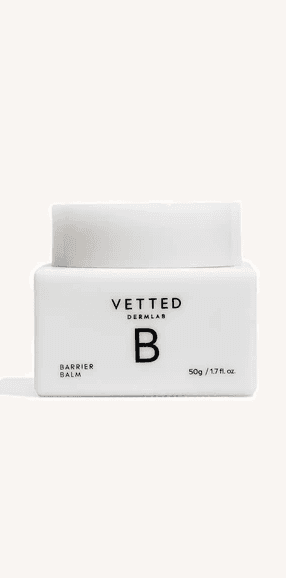
Vetted Dermlab B Balm
VETTED B Balm is a fragrance-free, sensitive-skin-safe formula that soothes, repairs, and restores dry, irritated skin and lips with barrier-supporting lipids and calming actives.
Saie Glowy Super Skin Tint Foundation
This lightweight skin tint blends skincare and makeup with buildable coverage, helping hydrate, brighten, and leave skin with a luminous finish.
Prequel Retinal Renew Retinaldehyde Gel
This retinaldehyde gel supports visible skin renewal with 0.1% retinal, helping smooth fine lines, refine texture, and promote a more even complexion.
Saie Glowy Super Skin Tint Foundation
This lightweight skin tint blends skincare and makeup with buildable coverage, helping hydrate, brighten, and leave skin with a luminous finish.
Manucurist Complete Serum Nail Strengthener
This nail and cuticle serum hydrates, strengthens, and revitalizes with chestnut extract, panthenol, and plant-based glycerin for healthier-looking nails.
AlphaRet Overnight Cream
This overnight cream combines a retinoid and alpha hydroxy acid to smooth fine lines, refine texture, and support brighter, renewed skin.

Carina Woodruff, MD
Carina Woodruff, MD
Founder and Board-Certified Dermatologist
Founder and Board-Certified Dermatologist
Board-certified dermatologist helping patients achieve healthy, confident skin with evidence-based care, thoughtful guidance, and realistic routines.
Board-certified dermatologist helping patients achieve healthy, confident skin with evidence-based care, thoughtful guidance, and realistic routines.