Allergic Contact Dermatitis
2 min read
Could Rubber Be Causing Your Rash?
Could Rubber Be Causing Your Rash?
Rubber ingredients in gloves, shoes and elastic can trigger allergic contact dermatitis. Learn the signs of rubber allergy and what to avoid.

THE BIG TAKEAWAY
Allergic Contact Dermatitis
2 min read
Could Rubber Be Causing Your Rash?
Rubber ingredients in gloves, shoes and elastic can trigger allergic contact dermatitis. Learn the signs of rubber allergy and what to avoid.
SHARE
SHARE
SAVE
SAVE
Have you ever developed an itchy, red rash that seemed to appear out of nowhere? Perhaps it showed up on your hands after wearing rubber gloves, or around your wrist after switching to a new fitness tracker band? If traditional treatments haven't helped and the pattern seems puzzling, you might be dealing with one of dermatology's more elusive culprits: rubber accelerator allergies.
Rubber accelerators are chemical compounds added during rubber manufacturing to speed up the vulcanization process – essentially, they help transform raw rubber into the durable, flexible material we use every day. While these chemicals are essential for creating quality rubber products, they can also trigger allergic contact dermatitis in sensitive individuals.
Recognizing the Signs: How Rubber Accelerator Allergies Present
Rubber accelerator allergies typically manifest as allergic contact dermatitis – a delayed immune reaction that develops 24-72 hours after exposure. Here's what to watch for:
Classic Symptoms
Red, itchy patches that correspond to areas of rubber contact
Swelling and inflammation that may extend beyond the contact area
Blistering or weeping in severe cases
Dry, scaly skin as the reaction heals
Thickened, leathery skin with chronic exposure
Common Distribution Patterns
The location of your rash often tells the story:
Hands and fingers: From rubber gloves (medical, cleaning, gardening)
Wrists: From watch bands, fitness trackers, or bracelet clasps
Feet: From rubber components in shoes, especially around the instep or toes
Face: From foam pillows, makeup applicators, swimming goggles, diving masks, or eyeglass nose pads
Waist or thighs: From elastic waistbands or undergarments
Any area: Where rubber-containing clothing, equipment, or accessories make contact
What to do if you suspect contact dermatitis
If you suspect that you are experiencing an allergic reaction to a rubber accelerator or other chemical, the best next step is to see a dermatologist for patch testing.
Once confirmed, you should stick to safe alternatives:
Vinyl or polyethylene gloves instead of latex or nitrile
Fabric or leather watch bands rather than rubber or silicone
Natural fiber clothing with minimal elastic components
Canvas or leather shoes with minimal rubber content
Have you ever developed an itchy, red rash that seemed to appear out of nowhere? Perhaps it showed up on your hands after wearing rubber gloves, or around your wrist after switching to a new fitness tracker band? If traditional treatments haven't helped and the pattern seems puzzling, you might be dealing with one of dermatology's more elusive culprits: rubber accelerator allergies.
Rubber accelerators are chemical compounds added during rubber manufacturing to speed up the vulcanization process – essentially, they help transform raw rubber into the durable, flexible material we use every day. While these chemicals are essential for creating quality rubber products, they can also trigger allergic contact dermatitis in sensitive individuals.
Recognizing the Signs: How Rubber Accelerator Allergies Present
Rubber accelerator allergies typically manifest as allergic contact dermatitis – a delayed immune reaction that develops 24-72 hours after exposure. Here's what to watch for:
Classic Symptoms
Red, itchy patches that correspond to areas of rubber contact
Swelling and inflammation that may extend beyond the contact area
Blistering or weeping in severe cases
Dry, scaly skin as the reaction heals
Thickened, leathery skin with chronic exposure
Common Distribution Patterns
The location of your rash often tells the story:
Hands and fingers: From rubber gloves (medical, cleaning, gardening)
Wrists: From watch bands, fitness trackers, or bracelet clasps
Feet: From rubber components in shoes, especially around the instep or toes
Face: From foam pillows, makeup applicators, swimming goggles, diving masks, or eyeglass nose pads
Waist or thighs: From elastic waistbands or undergarments
Any area: Where rubber-containing clothing, equipment, or accessories make contact
What to do if you suspect contact dermatitis
If you suspect that you are experiencing an allergic reaction to a rubber accelerator or other chemical, the best next step is to see a dermatologist for patch testing.
Once confirmed, you should stick to safe alternatives:
Vinyl or polyethylene gloves instead of latex or nitrile
Fabric or leather watch bands rather than rubber or silicone
Natural fiber clothing with minimal elastic components
Canvas or leather shoes with minimal rubber content
SHOP MY SHELF
SHOP MY SHELF
SHOP MY SHELF

Saie Glowy Super Skin Tint Foundation
This lightweight skin tint blends skincare and makeup with buildable coverage, helping hydrate, brighten, and leave skin with a luminous finish.
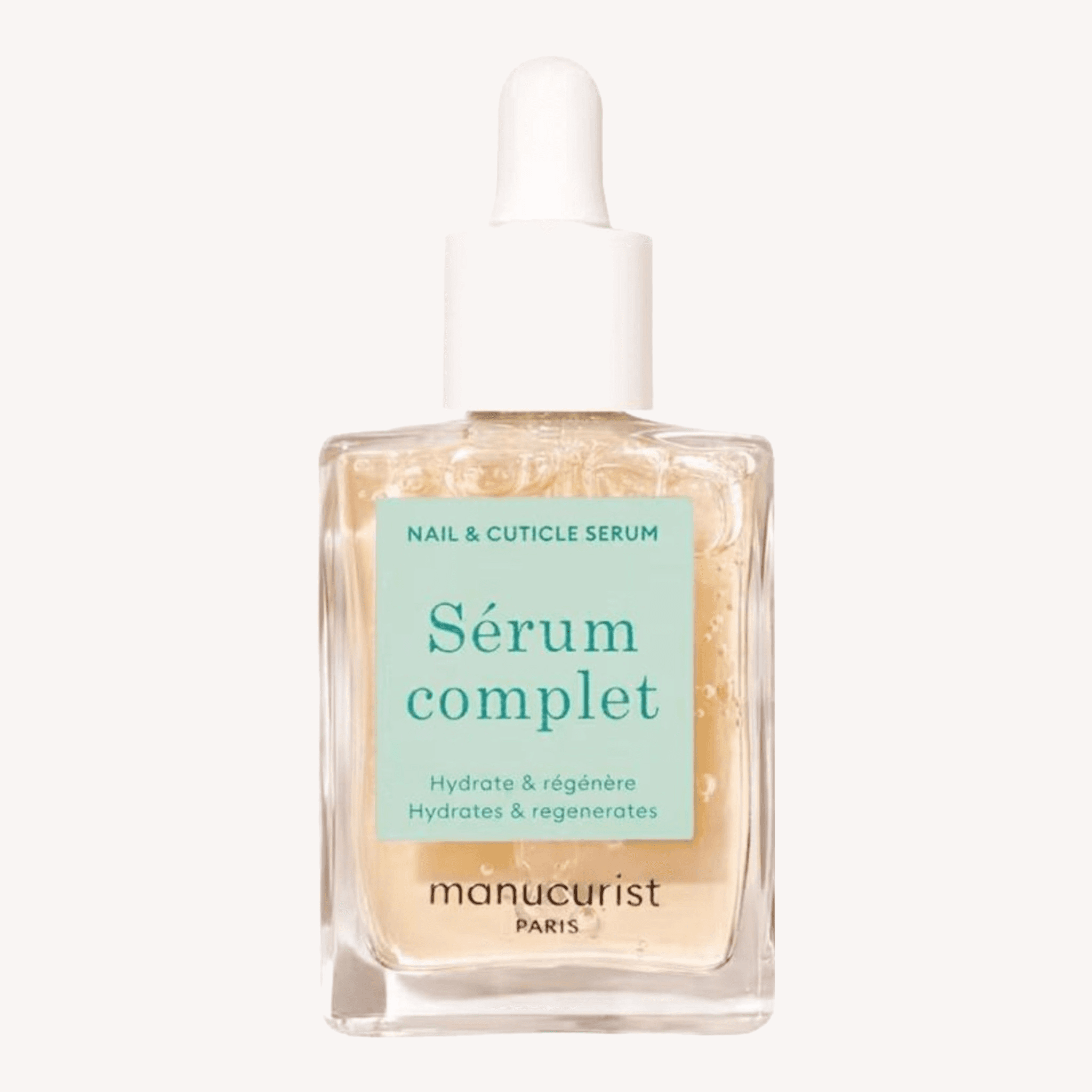
Manucurist Complete Serum Nail Strengthener
This nail and cuticle serum hydrates, strengthens, and revitalizes with chestnut extract, panthenol, and plant-based glycerin for healthier-looking nails.

AlphaRet Overnight Cream
This overnight cream combines a retinoid and alpha hydroxy acid to smooth fine lines, refine texture, and support brighter, renewed skin.

Prequel Retinal Renew Retinaldehyde Gel
This retinaldehyde gel supports visible skin renewal with 0.1% retinal, helping smooth fine lines, refine texture, and promote a more even complexion.
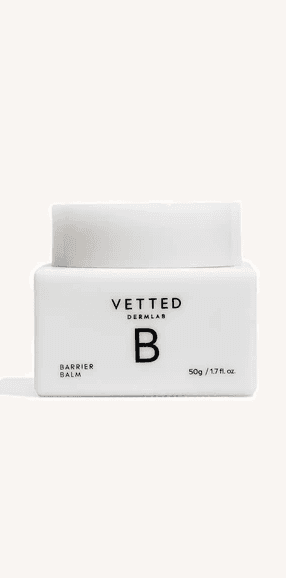
Vetted Dermlab B Balm
VETTED B Balm is a fragrance-free, sensitive-skin-safe formula that soothes, repairs, and restores dry, irritated skin and lips with barrier-supporting lipids and calming actives.
Saie Glowy Super Skin Tint Foundation
This lightweight skin tint blends skincare and makeup with buildable coverage, helping hydrate, brighten, and leave skin with a luminous finish.
Prequel Retinal Renew Retinaldehyde Gel
This retinaldehyde gel supports visible skin renewal with 0.1% retinal, helping smooth fine lines, refine texture, and promote a more even complexion.
Saie Glowy Super Skin Tint Foundation
This lightweight skin tint blends skincare and makeup with buildable coverage, helping hydrate, brighten, and leave skin with a luminous finish.
Manucurist Complete Serum Nail Strengthener
This nail and cuticle serum hydrates, strengthens, and revitalizes with chestnut extract, panthenol, and plant-based glycerin for healthier-looking nails.
AlphaRet Overnight Cream
This overnight cream combines a retinoid and alpha hydroxy acid to smooth fine lines, refine texture, and support brighter, renewed skin.

Carina Woodruff, MD
Carina Woodruff, MD
Founder and Board-Certified Dermatologist
Founder and Board-Certified Dermatologist
Board-certified dermatologist helping patients achieve healthy, confident skin with evidence-based care, thoughtful guidance, and realistic routines.
Board-certified dermatologist helping patients achieve healthy, confident skin with evidence-based care, thoughtful guidance, and realistic routines.