Allergic Contact Dermatitis
2 min read
How to Prepare for Patch Testing
How to Prepare for Patch Testing
Preparing for patch testing? Learn what to avoid, what to expect and how to help your dermatologist get the most accurate allergy results.
THE BIG TAKEAWAY
Allergic Contact Dermatitis
2 min read
How to Prepare for Patch Testing
Preparing for patch testing? Learn what to avoid, what to expect and how to help your dermatologist get the most accurate allergy results.
SHARE
SHARE
SAVE
SAVE
Day 1: Application
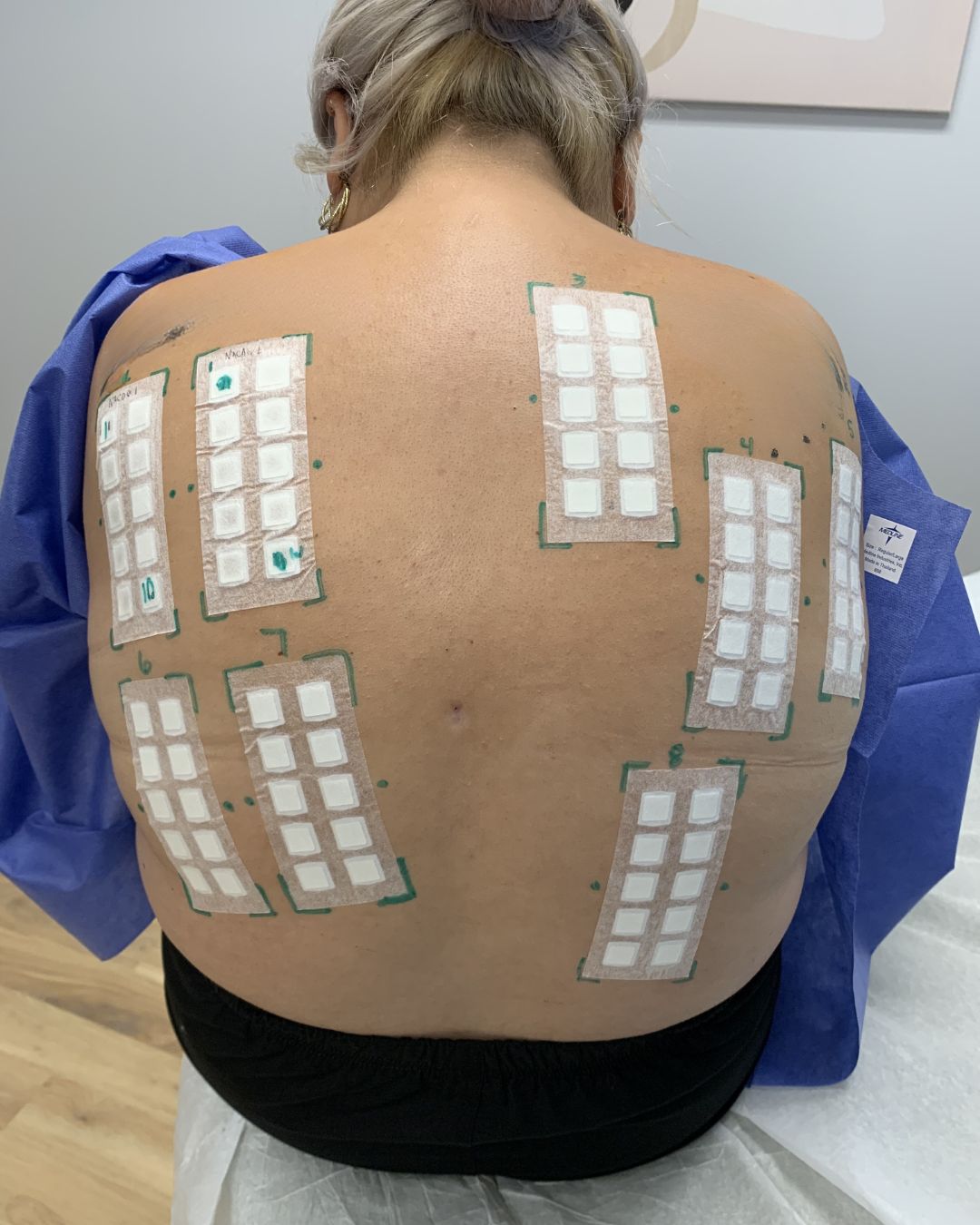
During your first appointment, I'll apply small patches containing common allergens to your back. These patches contain standardized amounts of substances like fragrances, preservatives, metals (like nickel), and other chemicals commonly found in everyday products. The patches are secured with hypoallergenic tape and must stay dry and in place.
Bring your products with you to this visit so we can review ingredient lists. We may also make custom patches out of some of your personal care products.
Day 3: Removal
Patches are removed 48 hours after placement. Some reactions may be visible at this point, but many take longer to develop. This can be done at home or in the clinic.
Day 5-7: Final Reading (Friday or Monday)
This is the most important visit. I'll examine each test site for signs of allergic reactions, which can range from mild redness to more significant inflammation. The delayed nature of these reactions is why this final reading is crucial – many allergens don't show their true colors until this point.
What the Results Mean
A positive result doesn't automatically mean that substance is causing your current skin problems – it means you're allergic to it and should avoid it going forward.
Preparing for Your Patch Test
To ensure accurate results:
Stop topical steroids on your back 1 week before testing
Avoid oral steroids and immunosuppressants during testing if possible
Don't get a sunburn or tan on your back before testing
Inform me of all medications you're taking
Bring a list of products you use regularly (we might test some of these too!)
After Your Patch Test
Once we identify your specific allergens, the real work begins. I'll provide you with:
A comprehensive list of products to avoid
Alternative product recommendations
Guidance on reading ingredient labels
Day 1: Application
During your first appointment, I'll apply small patches containing common allergens to your back. These patches contain standardized amounts of substances like fragrances, preservatives, metals (like nickel), and other chemicals commonly found in everyday products. The patches are secured with hypoallergenic tape and must stay dry and in place.
Bring your products with you to this visit so we can review ingredient lists. We may also make custom patches out of some of your personal care products.
Day 3: Removal
Patches are removed 48 hours after placement. Some reactions may be visible at this point, but many take longer to develop. This can be done at home or in the clinic.
Day 5-7: Final Reading (Friday or Monday)
This is the most important visit. I'll examine each test site for signs of allergic reactions, which can range from mild redness to more significant inflammation. The delayed nature of these reactions is why this final reading is crucial – many allergens don't show their true colors until this point.
What the Results Mean
A positive result doesn't automatically mean that substance is causing your current skin problems – it means you're allergic to it and should avoid it going forward.
Preparing for Your Patch Test
To ensure accurate results:
Stop topical steroids on your back 1 week before testing
Avoid oral steroids and immunosuppressants during testing if possible
Don't get a sunburn or tan on your back before testing
Inform me of all medications you're taking
Bring a list of products you use regularly (we might test some of these too!)
After Your Patch Test
Once we identify your specific allergens, the real work begins. I'll provide you with:
A comprehensive list of products to avoid
Alternative product recommendations
Guidance on reading ingredient labels
SHOP MY SHELF
SHOP MY SHELF
SHOP MY SHELF

Saie Glowy Super Skin Tint Foundation
This lightweight skin tint blends skincare and makeup with buildable coverage, helping hydrate, brighten, and leave skin with a luminous finish.
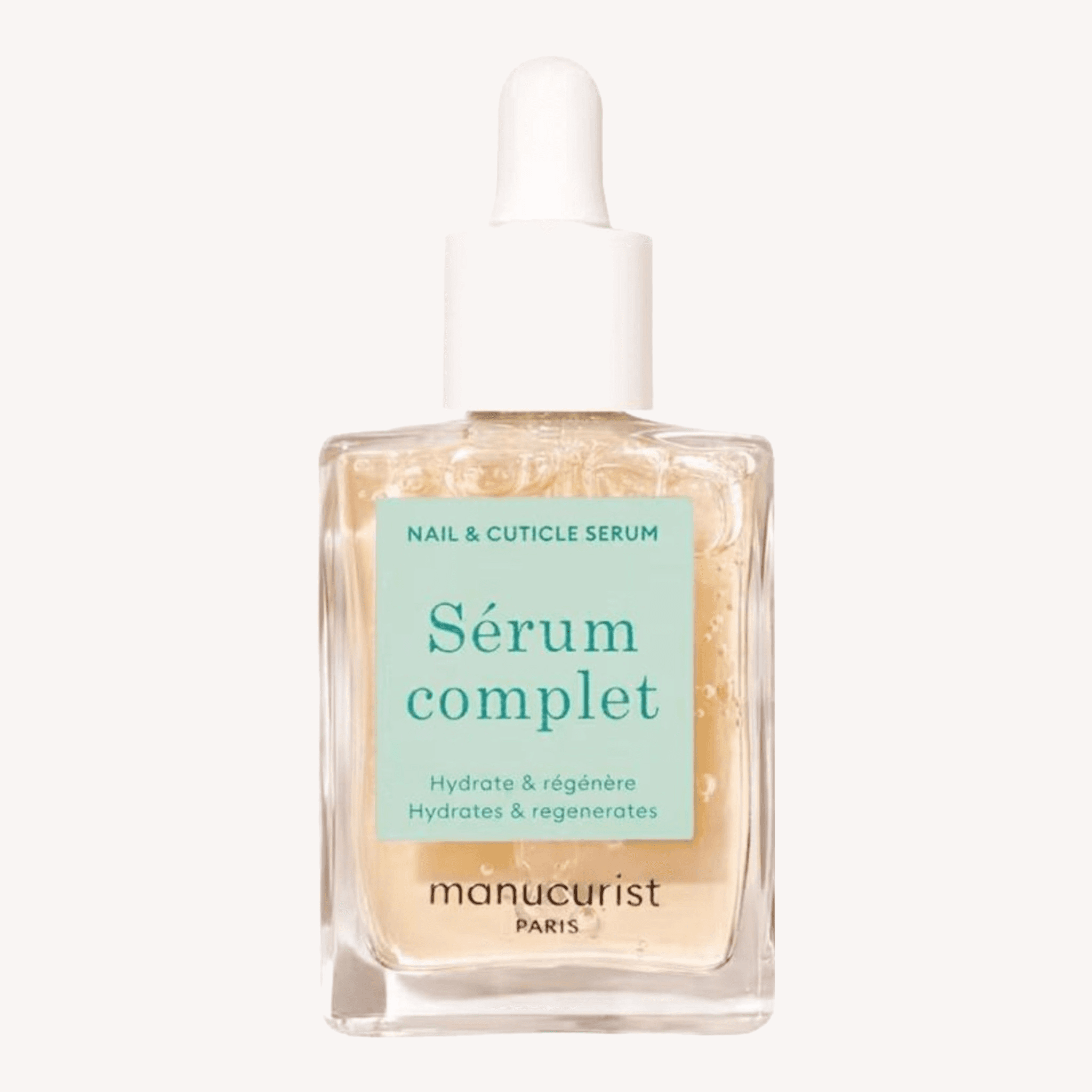
Manucurist Complete Serum Nail Strengthener
This nail and cuticle serum hydrates, strengthens, and revitalizes with chestnut extract, panthenol, and plant-based glycerin for healthier-looking nails.

AlphaRet Overnight Cream
This overnight cream combines a retinoid and alpha hydroxy acid to smooth fine lines, refine texture, and support brighter, renewed skin.

Prequel Retinal Renew Retinaldehyde Gel
This retinaldehyde gel supports visible skin renewal with 0.1% retinal, helping smooth fine lines, refine texture, and promote a more even complexion.
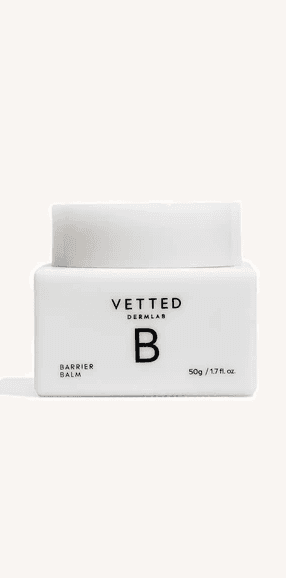
Vetted Dermlab B Balm
VETTED B Balm is a fragrance-free, sensitive-skin-safe formula that soothes, repairs, and restores dry, irritated skin and lips with barrier-supporting lipids and calming actives.
Saie Glowy Super Skin Tint Foundation
This lightweight skin tint blends skincare and makeup with buildable coverage, helping hydrate, brighten, and leave skin with a luminous finish.
Prequel Retinal Renew Retinaldehyde Gel
This retinaldehyde gel supports visible skin renewal with 0.1% retinal, helping smooth fine lines, refine texture, and promote a more even complexion.
Saie Glowy Super Skin Tint Foundation
This lightweight skin tint blends skincare and makeup with buildable coverage, helping hydrate, brighten, and leave skin with a luminous finish.
Manucurist Complete Serum Nail Strengthener
This nail and cuticle serum hydrates, strengthens, and revitalizes with chestnut extract, panthenol, and plant-based glycerin for healthier-looking nails.
AlphaRet Overnight Cream
This overnight cream combines a retinoid and alpha hydroxy acid to smooth fine lines, refine texture, and support brighter, renewed skin.

Carina Woodruff, MD
Carina Woodruff, MD
Founder and Board-Certified Dermatologist
Founder and Board-Certified Dermatologist
Board-certified dermatologist helping patients achieve healthy, confident skin with evidence-based care, thoughtful guidance, and realistic routines.
Board-certified dermatologist helping patients achieve healthy, confident skin with evidence-based care, thoughtful guidance, and realistic routines.