Allergic Contact Dermatitis
3 min read
Nickel Allergy: The Most Common Metal Sensitivity Affecting Millions
Nickel Allergy: The Most Common Metal Sensitivity Affecting Millions
Nickel allergy is one of the most common causes of allergic contact dermatitis. Learn where nickel hides and how to reduce skin reactions.

THE BIG TAKEAWAY
Allergic Contact Dermatitis
3 min read
Nickel Allergy: The Most Common Metal Sensitivity Affecting Millions
Nickel allergy is one of the most common causes of allergic contact dermatitis. Learn where nickel hides and how to reduce skin reactions.
SHARE
SHARE
SAVE
SAVE
If you've ever broken out in an itchy rash after wearing certain jewelry, you've likely encountered nickel – the most common cause of allergic contact dermatitis worldwide. As a dermatologist, I diagnose nickel allergy almost daily, and what surprises many patients is just how pervasive this metal is in our everyday environment. From the obvious culprit of costume jewelry to the unexpected presence in our smartphones and even our food, nickel exposure is virtually unavoidable in modern life.
The Scale of the Problem
Nickel allergy affects an estimated 15-20% of the population, making it the most prevalent contact allergen globally.
What's particularly concerning is that nickel sensitization often occurs early in life. Many of my patients report their first reaction happened during childhood or adolescence, often following their first ear piercing or from wearing inexpensive jewelry. Once sensitized, the allergy is lifelong – there's no "growing out" of nickel allergy.
The Many Faces of Nickel Dermatitis
Nickel allergic reactions can present in various ways, depending on the source and location of exposure:
Classic Jewelry Dermatitis
The most recognizable presentation is the red, itchy, sometimes blistered rash that appears exactly where metal jewelry touches the skin:
Earlobes: Red, swollen, weeping reactions around piercing sites
Wrists: Linear rashes under watch bands
Neck: Circular or pendant-shaped rashes from necklaces
Fingers: Ring-shaped dermatitis, often called "ring rash"
Hand Dermatitis
Chronic hand eczema is often linked to nickel exposure from:
Coins and keys
Tools and hardware
Door handles and fixtures
Mobile phones and tablets
Systemic Reactions
Some highly sensitive individuals can develop widespread eczema flares from dietary nickel exposure or when nickel-containing medical devices are implanted.
Occupational Dermatitis
Healthcare workers, hairdressers, cashiers, and metalworkers often develop hand dermatitis from repeated nickel exposure in their work environment.
Traditional Sources: More Than Just Cheap Jewelry
Jewelry and Accessories
While costume jewelry remains the biggest culprit, nickel lurks in many accessories:
"Nickel-free" jewelry: Often contains trace amounts that can still cause reactions
Gold-plated items: The nickel underneath can cause problems when plating wears off
Surgical steel: Despite the name, often contains nickel
Belt buckles, buttons, and zippers
Eyeglass frames
Hair accessories and bobby pins
Coins and Everyday Metal Items
U.S. coins (nickels, ironically, contain less nickel than dimes and quarters)
Keys and key rings
Paper clips and office supplies
Tools and hardware
Kitchen utensils (especially stainless steel)
A new source in the Digital Age: Wearable Technology and Nickel
The explosion of wearable technology has created new sources of nickel exposure that many people don't consider:
Smartwatches and Fitness Trackers
Modern wearable devices present a unique challenge:
Apple Watch: Early models had higher nickel content; newer versions have improved
Fitbit devices: Several models have been associated with contact dermatitis
Samsung Galaxy Watch: Contains nickel in the charging contacts and some metal components
Generic fitness trackers: Often have higher nickel content than premium brands
The problem with wearables is that they're designed for extended, continuous skin contact – exactly the conditions that promote nickel sensitization. Sweat and heat can increase nickel release, making exercise particularly problematic for sensitive individuals.
If you've ever broken out in an itchy rash after wearing certain jewelry, you've likely encountered nickel – the most common cause of allergic contact dermatitis worldwide. As a dermatologist, I diagnose nickel allergy almost daily, and what surprises many patients is just how pervasive this metal is in our everyday environment. From the obvious culprit of costume jewelry to the unexpected presence in our smartphones and even our food, nickel exposure is virtually unavoidable in modern life.
The Scale of the Problem
Nickel allergy affects an estimated 15-20% of the population, making it the most prevalent contact allergen globally.
What's particularly concerning is that nickel sensitization often occurs early in life. Many of my patients report their first reaction happened during childhood or adolescence, often following their first ear piercing or from wearing inexpensive jewelry. Once sensitized, the allergy is lifelong – there's no "growing out" of nickel allergy.
The Many Faces of Nickel Dermatitis
Nickel allergic reactions can present in various ways, depending on the source and location of exposure:
Classic Jewelry Dermatitis
The most recognizable presentation is the red, itchy, sometimes blistered rash that appears exactly where metal jewelry touches the skin:
Earlobes: Red, swollen, weeping reactions around piercing sites
Wrists: Linear rashes under watch bands
Neck: Circular or pendant-shaped rashes from necklaces
Fingers: Ring-shaped dermatitis, often called "ring rash"
Hand Dermatitis
Chronic hand eczema is often linked to nickel exposure from:
Coins and keys
Tools and hardware
Door handles and fixtures
Mobile phones and tablets
Systemic Reactions
Some highly sensitive individuals can develop widespread eczema flares from dietary nickel exposure or when nickel-containing medical devices are implanted.
Occupational Dermatitis
Healthcare workers, hairdressers, cashiers, and metalworkers often develop hand dermatitis from repeated nickel exposure in their work environment.
Traditional Sources: More Than Just Cheap Jewelry
Jewelry and Accessories
While costume jewelry remains the biggest culprit, nickel lurks in many accessories:
"Nickel-free" jewelry: Often contains trace amounts that can still cause reactions
Gold-plated items: The nickel underneath can cause problems when plating wears off
Surgical steel: Despite the name, often contains nickel
Belt buckles, buttons, and zippers
Eyeglass frames
Hair accessories and bobby pins
Coins and Everyday Metal Items
U.S. coins (nickels, ironically, contain less nickel than dimes and quarters)
Keys and key rings
Paper clips and office supplies
Tools and hardware
Kitchen utensils (especially stainless steel)
A new source in the Digital Age: Wearable Technology and Nickel
The explosion of wearable technology has created new sources of nickel exposure that many people don't consider:
Smartwatches and Fitness Trackers
Modern wearable devices present a unique challenge:
Apple Watch: Early models had higher nickel content; newer versions have improved
Fitbit devices: Several models have been associated with contact dermatitis
Samsung Galaxy Watch: Contains nickel in the charging contacts and some metal components
Generic fitness trackers: Often have higher nickel content than premium brands
The problem with wearables is that they're designed for extended, continuous skin contact – exactly the conditions that promote nickel sensitization. Sweat and heat can increase nickel release, making exercise particularly problematic for sensitive individuals.
SHOP MY SHELF
SHOP MY SHELF
SHOP MY SHELF

Saie Glowy Super Skin Tint Foundation
This lightweight skin tint blends skincare and makeup with buildable coverage, helping hydrate, brighten, and leave skin with a luminous finish.
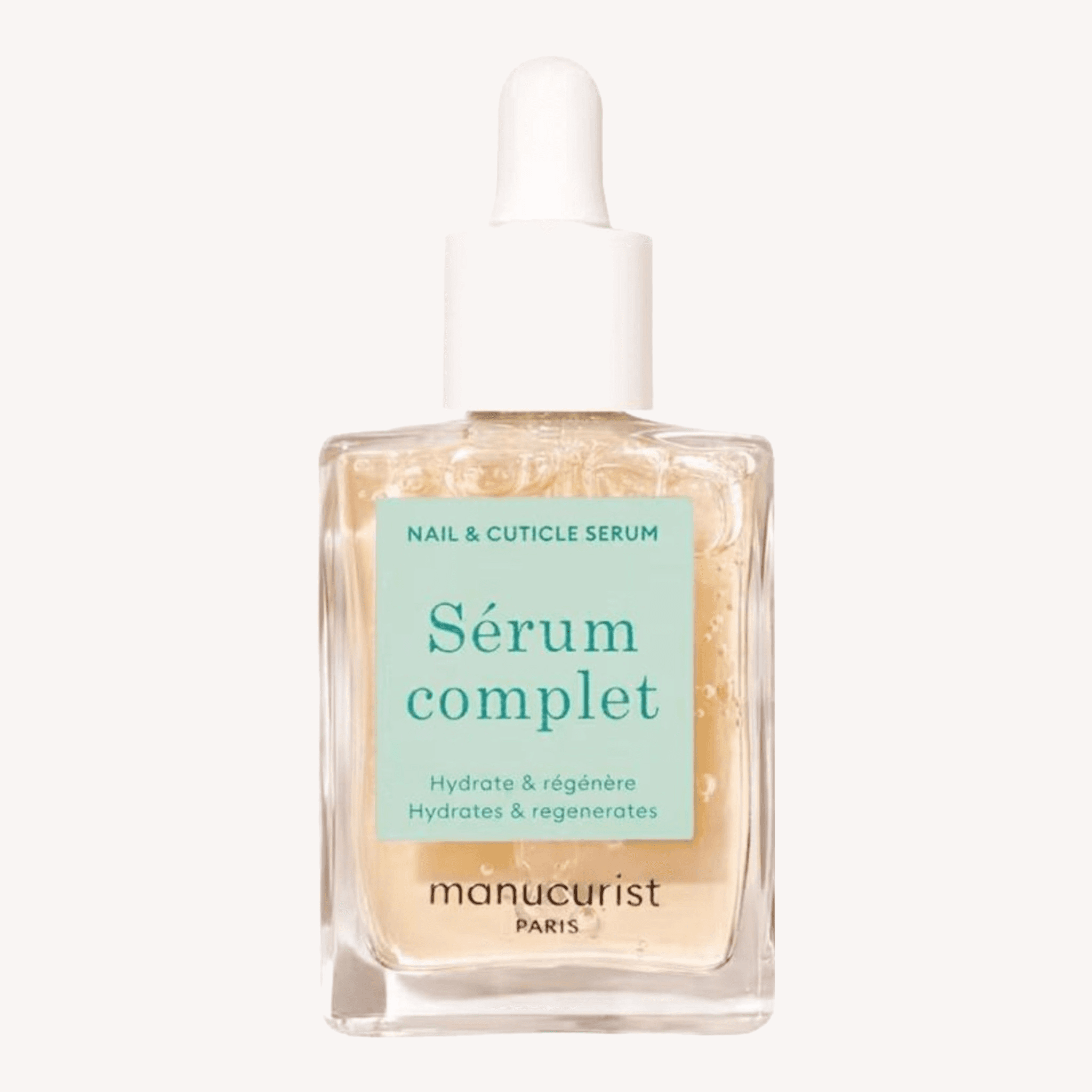
Manucurist Complete Serum Nail Strengthener
This nail and cuticle serum hydrates, strengthens, and revitalizes with chestnut extract, panthenol, and plant-based glycerin for healthier-looking nails.

AlphaRet Overnight Cream
This overnight cream combines a retinoid and alpha hydroxy acid to smooth fine lines, refine texture, and support brighter, renewed skin.

Prequel Retinal Renew Retinaldehyde Gel
This retinaldehyde gel supports visible skin renewal with 0.1% retinal, helping smooth fine lines, refine texture, and promote a more even complexion.
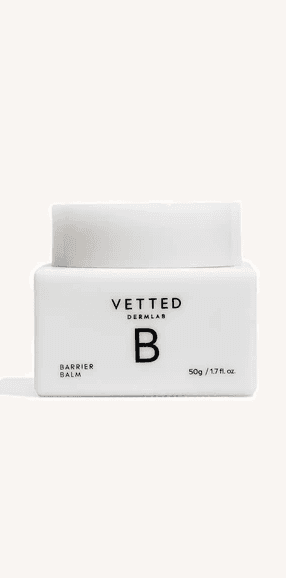
Vetted Dermlab B Balm
VETTED B Balm is a fragrance-free, sensitive-skin-safe formula that soothes, repairs, and restores dry, irritated skin and lips with barrier-supporting lipids and calming actives.
Saie Glowy Super Skin Tint Foundation
This lightweight skin tint blends skincare and makeup with buildable coverage, helping hydrate, brighten, and leave skin with a luminous finish.
Prequel Retinal Renew Retinaldehyde Gel
This retinaldehyde gel supports visible skin renewal with 0.1% retinal, helping smooth fine lines, refine texture, and promote a more even complexion.
Saie Glowy Super Skin Tint Foundation
This lightweight skin tint blends skincare and makeup with buildable coverage, helping hydrate, brighten, and leave skin with a luminous finish.
Manucurist Complete Serum Nail Strengthener
This nail and cuticle serum hydrates, strengthens, and revitalizes with chestnut extract, panthenol, and plant-based glycerin for healthier-looking nails.
AlphaRet Overnight Cream
This overnight cream combines a retinoid and alpha hydroxy acid to smooth fine lines, refine texture, and support brighter, renewed skin.

Carina Woodruff, MD
Carina Woodruff, MD
Founder and Board-Certified Dermatologist
Founder and Board-Certified Dermatologist
Board-certified dermatologist helping patients achieve healthy, confident skin with evidence-based care, thoughtful guidance, and realistic routines.
Board-certified dermatologist helping patients achieve healthy, confident skin with evidence-based care, thoughtful guidance, and realistic routines.