Hair + Scalp
4 min read
The Dandruff Diaries: What Is Seborrheic Dermatitis?
The Dandruff Diaries: What Is Seborrheic Dermatitis?
Learn what causes seborrheic dermatitis, why dandruff keeps coming back and which dermatologist-recommended treatments can help calm flaking and itching.
THE BIG TAKEAWAY
Hair + Scalp
4 min read
The Dandruff Diaries: What Is Seborrheic Dermatitis?
Learn what causes seborrheic dermatitis, why dandruff keeps coming back and which dermatologist-recommended treatments can help calm flaking and itching.
SHARE
SHARE
SAVE
SAVE
What actually is seborrheic dermatitis?
Seborrheic dermatitis, or SD, is a chronic, relapsing inflammatory skin condition that tends to show up in oily areas of the skin.
It commonly affects:
Scalp, also known as dandruff
Brows and sides of the nose
Ears, including the outer ear and behind the ears
Beard and mustache area
Chest, upper back, and body folds
It can look like:
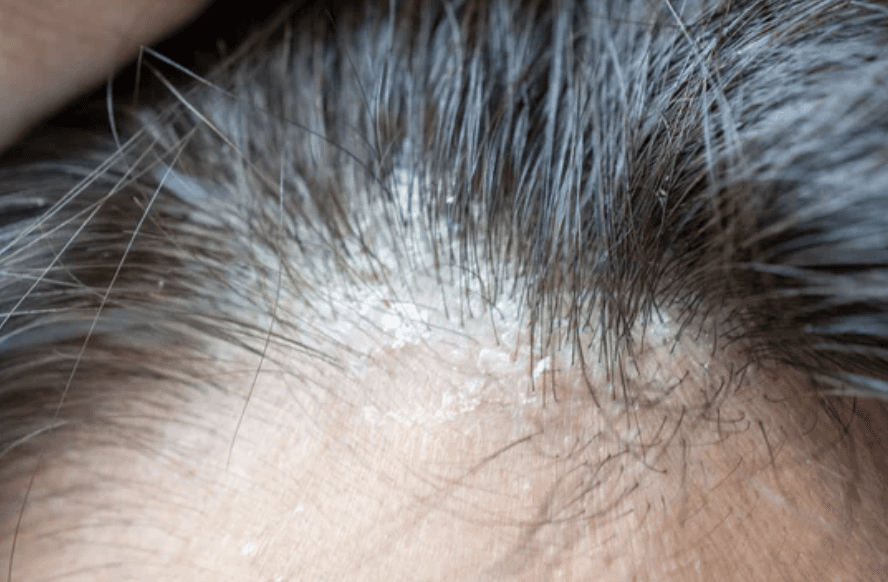
White flakes, also known as classic dandruff
Red or darker patches with greasy, yellowish scale
Itching, burning, or persistent flaking that drives you up the wall
It is usually mild to moderate and totally compatible with being otherwise healthy. But it is not just a cosmetic nuisance.
Why does this happen? The simple version
We do not know everything, but here is the big picture:
Oil + yeast + your immune system = inflammation
Seborrheic dermatitis tends to show up in oil-rich areas like the scalp, face, and chest.
A normal skin yeast called Malassezia loves that oil. In some people, the immune system overreacts to this yeast and its byproducts. That reaction kicks off inflammation, which leads to redness, scaling, and itching.
A few important associations:
Seborrheic dermatitis can be more common and more severe in people with HIV, and sometimes it can be an early clue that something is off with the immune system.
It is also very common in Parkinson’s disease and some neurologic conditions.
Most people with SD do not have an underlying serious disease. But when it is sudden, severe, and widespread, I do start thinking beyond “just dandruff.”
“Is this forever?” The honest answer
Yes, seborrheic dermatitis is usually:
Chronic — it loves to come and go
Relapsing — stress, cold weather, and dry air often make it worse
Manageable, not curable — think of it like a high-maintenance houseplant: controlled with the right routine, not “fixed” once and for all
The goal is control and comfort, not perfection.
What actually works, and what is mostly marketing
1. Medicated shampoos
For scalp involvement, medicated shampoos are the real backbone of treatment — not the $60 “detox scalp scrub.”
Look for ingredients such as:
Ketoconazole 2% shampoo
Ciclopirox 1% shampoo
Zinc pyrithione shampoo
Selenium sulfide shampoo
And yes, some of the drugstore options can be very effective.
Medicated shampoos can also sometimes be used carefully on areas like the face or beard area, depending on the situation.
2. Antifungal creams
For mild facial or body seborrheic dermatitis, antifungal creams can be very helpful.
Common options include:
Ketoconazole 2% cream
Other azole antifungal creams
Ciclopirox 1% cream
These target the yeast component that helps drive the inflammation.
3. Topical steroids
Steroid creams, foams, or lotions can quickly calm redness and irritation.
But they should usually be used in short bursts, not as a daily long-term moisturizer.
Steroids are like fire extinguishers, not scented candles.
They are useful when things flare, but they need to be used thoughtfully.
4. Non-steroid anti-inflammatory options
There are also non-steroid options that can help calm inflammation without thinning the skin.
Examples include:
Topical calcineurin inhibitors, such as tacrolimus and pimecrolimus
Topical PDE4 inhibitors, such as crisaborole or roflumilast foam
These can be helpful for sensitive areas and may be used intermittently over the long term.
5. Oral medications
Oral medications are used rarely for seborrheic dermatitis.
They may be considered in more severe, widespread, or stubborn cases, but most people can manage SD with topical treatment and maintenance.
The bottom line
Seborrheic dermatitis is common, chronic, and inflammatory.
It is not a hygiene issue.
It is not a moral failing.
And it is not usually “fixed” by switching to “clean” shampoo, buying a jade comb, or drinking chlorophyll water.
The most effective treatments are:
Antifungal shampoos and creams
Short, strategic use of anti-inflammatory medications
A maintenance routine rather than one-and-done “cures”
With the right approach, seborrheic dermatitis can absolutely be controlled with appropriate, evidence-backed treatment.
What actually is seborrheic dermatitis?
Seborrheic dermatitis, or SD, is a chronic, relapsing inflammatory skin condition that tends to show up in oily areas of the skin.
It commonly affects:
Scalp, also known as dandruff
Brows and sides of the nose
Ears, including the outer ear and behind the ears
Beard and mustache area
Chest, upper back, and body folds
It can look like:
White flakes, also known as classic dandruff
Red or darker patches with greasy, yellowish scale
Itching, burning, or persistent flaking that drives you up the wall
It is usually mild to moderate and totally compatible with being otherwise healthy. But it is not just a cosmetic nuisance.
Why does this happen? The simple version
We do not know everything, but here is the big picture:
Oil + yeast + your immune system = inflammation
Seborrheic dermatitis tends to show up in oil-rich areas like the scalp, face, and chest.
A normal skin yeast called Malassezia loves that oil. In some people, the immune system overreacts to this yeast and its byproducts. That reaction kicks off inflammation, which leads to redness, scaling, and itching.
A few important associations:
Seborrheic dermatitis can be more common and more severe in people with HIV, and sometimes it can be an early clue that something is off with the immune system.
It is also very common in Parkinson’s disease and some neurologic conditions.
Most people with SD do not have an underlying serious disease. But when it is sudden, severe, and widespread, I do start thinking beyond “just dandruff.”
“Is this forever?” The honest answer
Yes, seborrheic dermatitis is usually:
Chronic — it loves to come and go
Relapsing — stress, cold weather, and dry air often make it worse
Manageable, not curable — think of it like a high-maintenance houseplant: controlled with the right routine, not “fixed” once and for all
The goal is control and comfort, not perfection.
What actually works, and what is mostly marketing
1. Medicated shampoos
For scalp involvement, medicated shampoos are the real backbone of treatment — not the $60 “detox scalp scrub.”
Look for ingredients such as:
Ketoconazole 2% shampoo
Ciclopirox 1% shampoo
Zinc pyrithione shampoo
Selenium sulfide shampoo
And yes, some of the drugstore options can be very effective.
Medicated shampoos can also sometimes be used carefully on areas like the face or beard area, depending on the situation.
2. Antifungal creams
For mild facial or body seborrheic dermatitis, antifungal creams can be very helpful.
Common options include:
Ketoconazole 2% cream
Other azole antifungal creams
Ciclopirox 1% cream
These target the yeast component that helps drive the inflammation.
3. Topical steroids
Steroid creams, foams, or lotions can quickly calm redness and irritation.
But they should usually be used in short bursts, not as a daily long-term moisturizer.
Steroids are like fire extinguishers, not scented candles.
They are useful when things flare, but they need to be used thoughtfully.
4. Non-steroid anti-inflammatory options
There are also non-steroid options that can help calm inflammation without thinning the skin.
Examples include:
Topical calcineurin inhibitors, such as tacrolimus and pimecrolimus
Topical PDE4 inhibitors, such as crisaborole or roflumilast foam
These can be helpful for sensitive areas and may be used intermittently over the long term.
5. Oral medications
Oral medications are used rarely for seborrheic dermatitis.
They may be considered in more severe, widespread, or stubborn cases, but most people can manage SD with topical treatment and maintenance.
The bottom line
Seborrheic dermatitis is common, chronic, and inflammatory.
It is not a hygiene issue.
It is not a moral failing.
And it is not usually “fixed” by switching to “clean” shampoo, buying a jade comb, or drinking chlorophyll water.
The most effective treatments are:
Antifungal shampoos and creams
Short, strategic use of anti-inflammatory medications
A maintenance routine rather than one-and-done “cures”
With the right approach, seborrheic dermatitis can absolutely be controlled with appropriate, evidence-backed treatment.
SHOP MY SHELF
SHOP MY SHELF
SHOP MY SHELF

Saie Glowy Super Skin Tint Foundation
This lightweight skin tint blends skincare and makeup with buildable coverage, helping hydrate, brighten, and leave skin with a luminous finish.
Manucurist Complete Serum Nail Strengthener
This nail and cuticle serum hydrates, strengthens, and revitalizes with chestnut extract, panthenol, and plant-based glycerin for healthier-looking nails.

AlphaRet Overnight Cream
This overnight cream combines a retinoid and alpha hydroxy acid to smooth fine lines, refine texture, and support brighter, renewed skin.

Prequel Retinal Renew Retinaldehyde Gel
This retinaldehyde gel supports visible skin renewal with 0.1% retinal, helping smooth fine lines, refine texture, and promote a more even complexion.
Vetted Dermlab B Balm
VETTED B Balm is a fragrance-free, sensitive-skin-safe formula that soothes, repairs, and restores dry, irritated skin and lips with barrier-supporting lipids and calming actives.
Saie Glowy Super Skin Tint Foundation
This lightweight skin tint blends skincare and makeup with buildable coverage, helping hydrate, brighten, and leave skin with a luminous finish.
Prequel Retinal Renew Retinaldehyde Gel
This retinaldehyde gel supports visible skin renewal with 0.1% retinal, helping smooth fine lines, refine texture, and promote a more even complexion.
Saie Glowy Super Skin Tint Foundation
This lightweight skin tint blends skincare and makeup with buildable coverage, helping hydrate, brighten, and leave skin with a luminous finish.
Manucurist Complete Serum Nail Strengthener
This nail and cuticle serum hydrates, strengthens, and revitalizes with chestnut extract, panthenol, and plant-based glycerin for healthier-looking nails.
AlphaRet Overnight Cream
This overnight cream combines a retinoid and alpha hydroxy acid to smooth fine lines, refine texture, and support brighter, renewed skin.

Carina Woodruff, MD
Carina Woodruff, MD
Founder and Board-Certified Dermatologist
Founder and Board-Certified Dermatologist
Board-certified dermatologist helping patients achieve healthy, confident skin with evidence-based care, thoughtful guidance, and realistic routines.
Board-certified dermatologist helping patients achieve healthy, confident skin with evidence-based care, thoughtful guidance, and realistic routines.