Skincare Science
4 min read
Is Sunscreen Really Toxic? A Calm Answer to TikTok’s SPF Panic
Is Sunscreen Really Toxic? A Calm Answer to TikTok’s SPF Panic
Sunscreen panic spreads fast online. Here’s what actually matters: UV damage, ingredient choice, sensitive skin, and using SPF correctly.

THE BIG TAKEAWAY
UV exposure is a proven cause of skin cancer, premature aging, and pigmentation.
Choose a broad-spectrum sunscreen with SPF 30 or higher.
Mineral and chemical sunscreens can both be effective. The best one is the one you'll wear consistently.
Sensitive skin may do better with fragrance-free or mineral formulas.
Most people do not apply enough sunscreen or reapply often enough.
Tinted sunscreens can provide added protection against pigmentation and melasma.
Sunscreen works best when combined with hats, sunglasses, shade, and UPF clothing.
Consistency matters more than finding the "perfect" sunscreen.
UV exposure is a proven cause of skin cancer, premature aging, and pigmentation.
Choose a broad-spectrum sunscreen with SPF 30 or higher.
Mineral and chemical sunscreens can both be effective. The best one is the one you'll wear consistently.
Sensitive skin may do better with fragrance-free or mineral formulas.
Most people do not apply enough sunscreen or reapply often enough.
Tinted sunscreens can provide added protection against pigmentation and melasma.
Sunscreen works best when combined with hats, sunglasses, shade, and UPF clothing.
Consistency matters more than finding the "perfect" sunscreen.
Skincare Science
4 min read
Is Sunscreen Really Toxic? A Calm Answer to TikTok’s SPF Panic
Sunscreen panic spreads fast online. Here’s what actually matters: UV damage, ingredient choice, sensitive skin, and using SPF correctly.
SHARE
SHARE
SAVE
SAVE
Sunscreen Myths, Mineral vs. Chemical, and What Actually Matters for Your Skin
If your social feed has recently tried to convince you that sunscreen is toxic, unnecessary, or somehow more dangerous than a sunburn, you are not alone. Sunscreen has become the latest wellness battleground, which is unfortunate because the skin does not care how confident someone sounds on TikTok.
As a dermatologist, I understand why people get confused. Sunscreen labels are complicated. Ingredient names sound chemical because, well, they are chemical names. Some formulas sting. Some leave a white cast. Some feel greasy. Some break people out. And when a product you are told to use every day feels unpleasant, it becomes very easy for the internet to convince you that maybe you should skip it altogether.
But that is where we need to separate two very different questions.
Question 1: Have all sunscreens always been perfectly formulated for every skin type?
No. Absolutely not. Many sunscreens are cosmetically imperfect, especially for sensitive, acne-prone, and deeper skin tones.
Question 2: Is going without sun protection safer than using sunscreen?
Also no.
Ultraviolet radiation is a known driver of sunburn, premature skin aging, pigmentation, and skin cancers. That is not a trend. That is biology.
UVA rays penetrate more deeply and contribute to tanning, pigmentation, collagen breakdown, and long-term skin damage. UVB rays are more associated with sunburn and direct DNA injury. A broad-spectrum sunscreen is designed to help protect against both.
Understanding the Mineral vs. Chemical Sunscreen Debate
A lot of online sunscreen panic centers around the words chemical sunscreen. This term sounds scary, but it is not especially helpful. Mineral sunscreens, such as zinc oxide and titanium dioxide, are chemicals too. The difference is how the filters work and how they feel on the skin.
Mineral Sunscreens
Mineral sunscreens sit on the skin and help reflect and absorb UV radiation. They are often a great option for:
Very sensitive skin
Rosacea-prone skin
Post-procedure skin
Patients who prefer to avoid certain organic filters
The downside is that they can feel thicker and may leave a white or gray cast, although newer tinted and micronized formulas are much better than they used to be.
Chemical (Organic) Sunscreens
Chemical, or organic, sunscreens absorb UV radiation and convert it into heat. Many are more elegant, sheer, and easier to wear daily, especially under makeup or on deeper skin tones.
The downside is that some can sting around the eyes or irritate sensitive skin.
So Which Sunscreen Is Best?
The best sunscreen is the one you will actually use consistently, in the right amount, and reapply when needed.
That may be a mineral sunscreen. It may be a chemical sunscreen. It may be a tinted formula. It may be one sunscreen for your face and another for your body.
Dermatology is full of nuance, which is not always what social media rewards.
Why the FDA's Approval of BEMT Matters
This year, the sunscreen conversation became even more interesting because the FDA approved bemotrizinol (BEMT), a sunscreen filter that has been used internationally for years.
This is genuinely good news.
BEMT offers broad-spectrum UVA and UVB protection, is photostable, and may eventually help U.S. brands create more elegant, wearable sunscreens.
But here is the important patient-facing point: do not wait for the next generation of sunscreen to start protecting your skin now.
The sunscreen you apply today is more useful than the theoretically perfect sunscreen you are waiting to buy later.
How to Choose a Sunscreen
When choosing sunscreen, look for three basic things:
Broad-spectrum coverage
SPF 30 or higher
A formula you tolerate
If you are swimming or sweating, choose a water-resistant sunscreen and reapply according to the label.
If you are prone to melasma or dark spots, a tinted sunscreen with iron oxides can be especially helpful because visible light can worsen pigmentation in some patients.
If you are acne-prone, look for oil-free or non-comedogenic formulas and cleanse well after heavy sweating or outdoor activity.
Sunscreen Tips for Sensitive Skin
If you have sensitive skin, keep it simple.
Fragrance-free is usually better than "naturally scented." Mineral formulas may be better tolerated, but even mineral sunscreens can irritate some people depending on the full formula.
If a sunscreen burns, itches, causes eyelid swelling, or repeatedly triggers a rash, stop using it and consider seeing a dermatologist.
Sometimes the issue is irritation. Sometimes it is allergic contact dermatitis. Patch testing can be helpful when reactions are persistent or confusing.
The Most Common Sunscreen Mistake
The other major mistake is under-applying.
Most people use far less than the amount needed to get the SPF listed on the bottle.
For the face and neck, a common practical guide is the two-finger amount. For the body, think roughly one ounce, about a shot-glass amount, for exposed areas.
Sunscreen should be applied before sun exposure and reapplied at least every two hours when outdoors, sooner if swimming, sweating, or toweling off.
Sunscreen Is Only One Part of Sun Protection
Sunscreen should not be your only strategy.
Hats, sunglasses, shade, UPF clothing, and avoiding peak midday sun are all part of smart sun protection.
This is especially relevant in Dallas, where incidental exposure adds up. Driving, school pickup, tennis, golf, patio lunches, pool days, and errands all count.
The Bottom Line
Sunscreen is not a personality test.
You do not need to pick a side in the mineral-versus-chemical debate. You need a sun-protection plan that fits your skin, your lifestyle, and your actual willingness to reapply.
If the internet has made you afraid of sunscreen, start with a gentle, broad-spectrum SPF 30 or higher, preferably fragrance-free if you are sensitive.
Wear a hat. Seek shade. Reapply.
And if every sunscreen seems to bother your skin, do not give up on sun protection. Get help figuring out which ingredient or formula may be the problem.
Your skin does not need fear. It needs consistency.
Sunscreen Myths, Mineral vs. Chemical, and What Actually Matters for Your Skin
If your social feed has recently tried to convince you that sunscreen is toxic, unnecessary, or somehow more dangerous than a sunburn, you are not alone. Sunscreen has become the latest wellness battleground, which is unfortunate because the skin does not care how confident someone sounds on TikTok.
As a dermatologist, I understand why people get confused. Sunscreen labels are complicated. Ingredient names sound chemical because, well, they are chemical names. Some formulas sting. Some leave a white cast. Some feel greasy. Some break people out. And when a product you are told to use every day feels unpleasant, it becomes very easy for the internet to convince you that maybe you should skip it altogether.
But that is where we need to separate two very different questions.
Question 1: Have all sunscreens always been perfectly formulated for every skin type?
No. Absolutely not. Many sunscreens are cosmetically imperfect, especially for sensitive, acne-prone, and deeper skin tones.
Question 2: Is going without sun protection safer than using sunscreen?
Also no.
Ultraviolet radiation is a known driver of sunburn, premature skin aging, pigmentation, and skin cancers. That is not a trend. That is biology.
UVA rays penetrate more deeply and contribute to tanning, pigmentation, collagen breakdown, and long-term skin damage. UVB rays are more associated with sunburn and direct DNA injury. A broad-spectrum sunscreen is designed to help protect against both.
Understanding the Mineral vs. Chemical Sunscreen Debate
A lot of online sunscreen panic centers around the words chemical sunscreen. This term sounds scary, but it is not especially helpful. Mineral sunscreens, such as zinc oxide and titanium dioxide, are chemicals too. The difference is how the filters work and how they feel on the skin.
Mineral Sunscreens
Mineral sunscreens sit on the skin and help reflect and absorb UV radiation. They are often a great option for:
Very sensitive skin
Rosacea-prone skin
Post-procedure skin
Patients who prefer to avoid certain organic filters
The downside is that they can feel thicker and may leave a white or gray cast, although newer tinted and micronized formulas are much better than they used to be.
Chemical (Organic) Sunscreens
Chemical, or organic, sunscreens absorb UV radiation and convert it into heat. Many are more elegant, sheer, and easier to wear daily, especially under makeup or on deeper skin tones.
The downside is that some can sting around the eyes or irritate sensitive skin.
So Which Sunscreen Is Best?
The best sunscreen is the one you will actually use consistently, in the right amount, and reapply when needed.
That may be a mineral sunscreen. It may be a chemical sunscreen. It may be a tinted formula. It may be one sunscreen for your face and another for your body.
Dermatology is full of nuance, which is not always what social media rewards.
Why the FDA's Approval of BEMT Matters
This year, the sunscreen conversation became even more interesting because the FDA approved bemotrizinol (BEMT), a sunscreen filter that has been used internationally for years.
This is genuinely good news.
BEMT offers broad-spectrum UVA and UVB protection, is photostable, and may eventually help U.S. brands create more elegant, wearable sunscreens.
But here is the important patient-facing point: do not wait for the next generation of sunscreen to start protecting your skin now.
The sunscreen you apply today is more useful than the theoretically perfect sunscreen you are waiting to buy later.
How to Choose a Sunscreen
When choosing sunscreen, look for three basic things:
Broad-spectrum coverage
SPF 30 or higher
A formula you tolerate
If you are swimming or sweating, choose a water-resistant sunscreen and reapply according to the label.
If you are prone to melasma or dark spots, a tinted sunscreen with iron oxides can be especially helpful because visible light can worsen pigmentation in some patients.
If you are acne-prone, look for oil-free or non-comedogenic formulas and cleanse well after heavy sweating or outdoor activity.
Sunscreen Tips for Sensitive Skin
If you have sensitive skin, keep it simple.
Fragrance-free is usually better than "naturally scented." Mineral formulas may be better tolerated, but even mineral sunscreens can irritate some people depending on the full formula.
If a sunscreen burns, itches, causes eyelid swelling, or repeatedly triggers a rash, stop using it and consider seeing a dermatologist.
Sometimes the issue is irritation. Sometimes it is allergic contact dermatitis. Patch testing can be helpful when reactions are persistent or confusing.
The Most Common Sunscreen Mistake
The other major mistake is under-applying.
Most people use far less than the amount needed to get the SPF listed on the bottle.
For the face and neck, a common practical guide is the two-finger amount. For the body, think roughly one ounce, about a shot-glass amount, for exposed areas.
Sunscreen should be applied before sun exposure and reapplied at least every two hours when outdoors, sooner if swimming, sweating, or toweling off.
Sunscreen Is Only One Part of Sun Protection
Sunscreen should not be your only strategy.
Hats, sunglasses, shade, UPF clothing, and avoiding peak midday sun are all part of smart sun protection.
This is especially relevant in Dallas, where incidental exposure adds up. Driving, school pickup, tennis, golf, patio lunches, pool days, and errands all count.
The Bottom Line
Sunscreen is not a personality test.
You do not need to pick a side in the mineral-versus-chemical debate. You need a sun-protection plan that fits your skin, your lifestyle, and your actual willingness to reapply.
If the internet has made you afraid of sunscreen, start with a gentle, broad-spectrum SPF 30 or higher, preferably fragrance-free if you are sensitive.
Wear a hat. Seek shade. Reapply.
And if every sunscreen seems to bother your skin, do not give up on sun protection. Get help figuring out which ingredient or formula may be the problem.
Your skin does not need fear. It needs consistency.
SHOP MY SHELF
SHOP MY SHELF
SHOP MY SHELF

Saie Glowy Super Skin Tint Foundation
This lightweight skin tint blends skincare and makeup with buildable coverage, helping hydrate, brighten, and leave skin with a luminous finish.
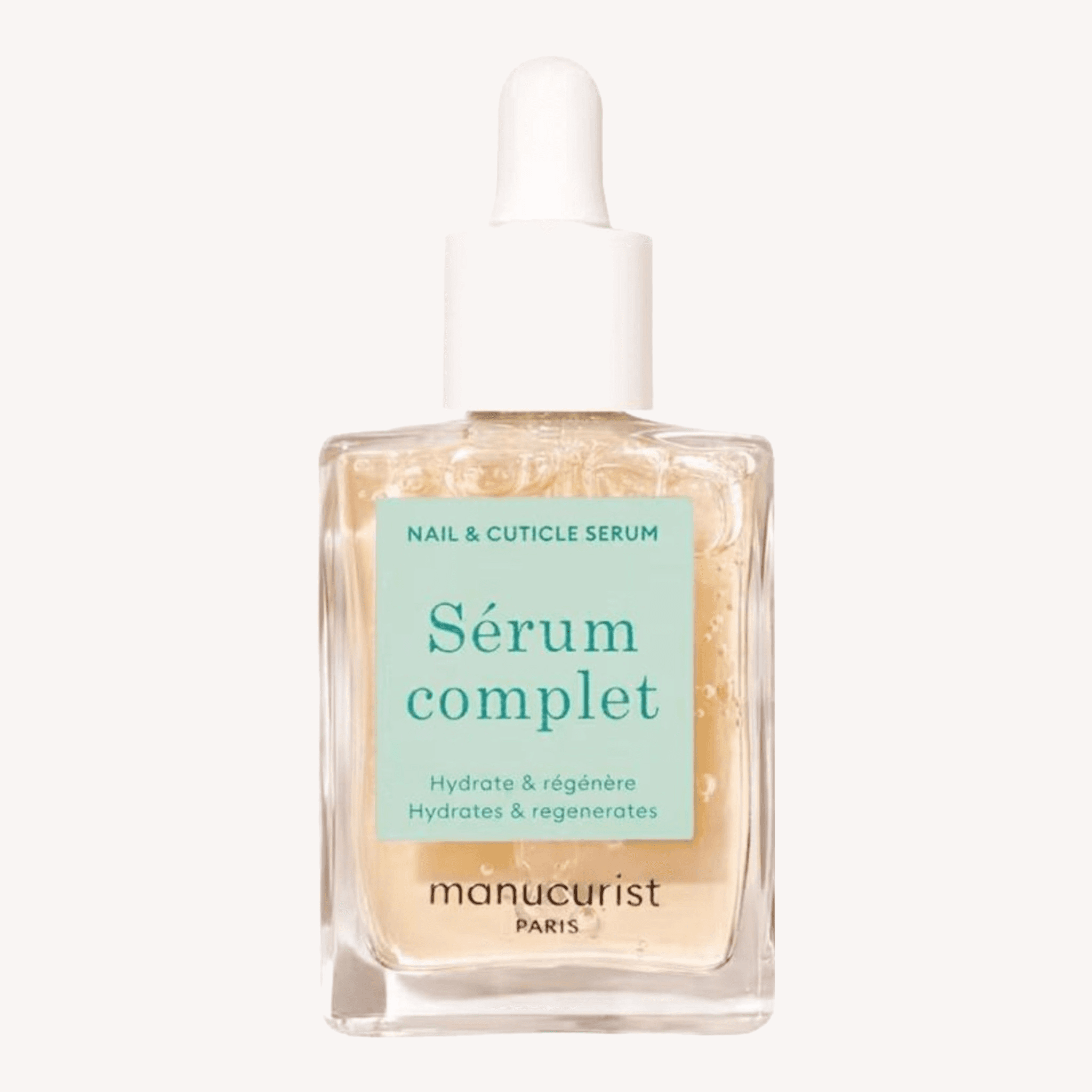
Manucurist Complete Serum Nail Strengthener
This nail and cuticle serum hydrates, strengthens, and revitalizes with chestnut extract, panthenol, and plant-based glycerin for healthier-looking nails.

AlphaRet Overnight Cream
This overnight cream combines a retinoid and alpha hydroxy acid to smooth fine lines, refine texture, and support brighter, renewed skin.

Prequel Retinal Renew Retinaldehyde Gel
This retinaldehyde gel supports visible skin renewal with 0.1% retinal, helping smooth fine lines, refine texture, and promote a more even complexion.
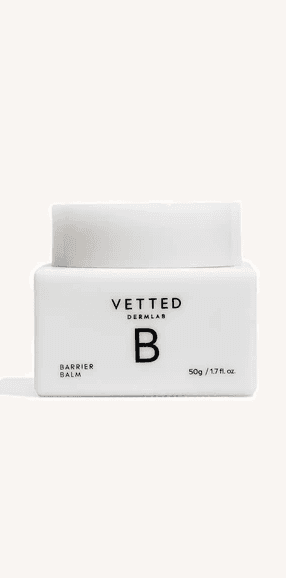
Vetted Dermlab B Balm
VETTED B Balm is a fragrance-free, sensitive-skin-safe formula that soothes, repairs, and restores dry, irritated skin and lips with barrier-supporting lipids and calming actives.
Saie Glowy Super Skin Tint Foundation
This lightweight skin tint blends skincare and makeup with buildable coverage, helping hydrate, brighten, and leave skin with a luminous finish.
Prequel Retinal Renew Retinaldehyde Gel
This retinaldehyde gel supports visible skin renewal with 0.1% retinal, helping smooth fine lines, refine texture, and promote a more even complexion.
Saie Glowy Super Skin Tint Foundation
This lightweight skin tint blends skincare and makeup with buildable coverage, helping hydrate, brighten, and leave skin with a luminous finish.
Manucurist Complete Serum Nail Strengthener
This nail and cuticle serum hydrates, strengthens, and revitalizes with chestnut extract, panthenol, and plant-based glycerin for healthier-looking nails.
AlphaRet Overnight Cream
This overnight cream combines a retinoid and alpha hydroxy acid to smooth fine lines, refine texture, and support brighter, renewed skin.

Carina Woodruff, MD
Carina Woodruff, MD
Founder and Board-Certified Dermatologist
Founder and Board-Certified Dermatologist
Board-certified dermatologist helping patients achieve healthy, confident skin with evidence-based care, thoughtful guidance, and realistic routines.
Board-certified dermatologist helping patients achieve healthy, confident skin with evidence-based care, thoughtful guidance, and realistic routines.