Skin Science
6 min read
Why Your Summer Skincare Routine Should Be Boring - In the Best Way
Why Your Summer Skincare Routine Should Be Boring - In the Best Way
Heat, sweat, sunscreen, travel, and trendy actives can turn a “glowy” routine into an irritated one. Here’s how to simplify without giving up results.
THE BIG TAKEAWAY
Summer skincare does not need to be complicated. In fact, your skin often does better with less.
Focus on a simple, consistent routine: gentle cleansing, one targeted treatment, moisturizer when needed, and broad-spectrum SPF 30 or higher every day. If your skin starts burning, stinging, peeling, breaking out, or acting “angry,” pause the extras and return to the basics.
The best summer routine is not the one with the most products. It is the one your skin can tolerate, your schedule can sustain, and your sunscreen can fit into every day.
Summer skincare does not need to be complicated. In fact, your skin often does better with less.
Focus on a simple, consistent routine: gentle cleansing, one targeted treatment, moisturizer when needed, and broad-spectrum SPF 30 or higher every day. If your skin starts burning, stinging, peeling, breaking out, or acting “angry,” pause the extras and return to the basics.
The best summer routine is not the one with the most products. It is the one your skin can tolerate, your schedule can sustain, and your sunscreen can fit into every day.
Skin Science
6 min read
Why Your Summer Skincare Routine Should Be Boring - In the Best Way
Heat, sweat, sunscreen, travel, and trendy actives can turn a “glowy” routine into an irritated one. Here’s how to simplify without giving up results.
SHARE
SHARE
SAVE
SAVE
Summer skincare has a way of becoming strangely dramatic.
One week your routine feels perfect. The next, your sunscreen is pilling, your cheeks are stinging, your chin is breaking out, and someone online is telling you to add three more steps, a new toner, and an overnight “barrier reset” mask that smells faintly like a cocktail.
As a dermatologist, I would like to make the case for something less glamorous but much more useful: a boring summer routine.
Not neglectful. Not lazy. Not “I gave up.” Just focused, consistent, and much less likely to make your skin revolt.
In summer, your skin is dealing with more heat, sweat, sunscreen, friction, travel, chlorine, saltwater, and UV exposure. That does not mean you need more products. Most of the time, it means you need a smarter routine with fewer opportunities for irritation.
Why Summer Skin Gets Complicated
Summer does not create an entirely new face, but it does change the environment your skin is living in.
Heat can increase sweating and oiliness. Sweat can sting irritated skin. Sunscreen is being applied more often, which is good, but it also means more exposure to product ingredients. Travel can disrupt sleep, hydration, and your usual routine. Chlorine, saltwater, air conditioning, and extra cleansing can all dry out the skin barrier.
Then we add human behavior.
We try a new vitamin C before vacation. We exfoliate because our skin feels “congested.” We switch sunscreens three times because one feels greasy, one pills, and one makes our eyes burn. We add a retinoid, a peel pad, and a brightening serum because we want glow, not realizing our skin is quietly waving a white flag.
The result can be breakouts, burning, peeling, redness, bumps, or a rash that gets mislabeled as “purging.”
A summer flare is not always acne. It may be irritation, rosacea, perioral dermatitis, allergic contact dermatitis, folliculitis, melasma, or a combination of several things. That is why simplifying is often the first useful move.
The Boring Summer Routine That Actually Works
A good summer routine does not have to be impressive. It has to be repeatable.
For most people, the foundation is simple: cleanse gently, treat one main concern, moisturize as needed, and protect from the sun every day.
That is the whole plot. The rest is editing.
Morning: Keep It Light and Protective
In the morning, you may not need a full cleanse if your skin is dry or sensitive. Rinsing with water can be enough for some people. If you are oily, acne-prone, or used a heavy product overnight, a gentle cleanser makes sense.
After cleansing, choose one targeted step if your skin tolerates it. That might be vitamin C, azelaic acid, niacinamide, or an acne medication. It should not be all of them at once just because they each sound helpful.
Then moisturize if needed. In summer, many people do better with a lighter lotion or gel-cream rather than a heavy cream during the day.
Then sunscreen. Not as a decorative final step. As the main character.
A broad-spectrum SPF 30 or higher is the goal for daily use. For outdoor days, water-resistant sunscreen matters, especially with sweat, swimming, or sports. The best sunscreen is not necessarily the most expensive or most viral. It is the one you will apply enough of and reapply when needed.
Evening: Remove the Day Without Stripping Your Face
At night, the priority is removing sunscreen, sweat, makeup, and pollution without over-cleansing.
If you wore water-resistant sunscreen or makeup, you may prefer a gentle first cleanse, such as a cleansing balm, micellar water, or oil cleanser, followed by a mild face wash. If your skin is sensitive, choose fragrance-free options and avoid scrubbing.
Then choose one active treatment, not a cabinet meeting of every active you own.
If acne is your main concern, that might be a retinoid, benzoyl peroxide, salicylic acid, or a prescription plan. If pigmentation is the concern, that might be azelaic acid, a retinoid, or another dermatologist-directed brightening treatment. If aging or texture is the focus, a retinoid may be appropriate.
But the rule is this: your active should have a job.
If you cannot explain why a product is in your routine, it may not need to be there.
Finish with moisturizer. Even oily skin may need barrier support, especially if you are using acne treatments, retinoids, or exfoliating ingredients.
Body Skin Counts Too
Summer skin is not just face skin.
The chest, back, shoulders, hands, lips, scalp, and ears get plenty of sun and irritation. Body acne may flare with sweat, tight workout clothes, sports bras, backpacks, and sunscreen. Keratosis pilaris can feel rougher when skin gets dry from swimming or frequent shaving. Hands can become irritated from sunscreen, handwashing, sanitizer, and travel.
Do not forget lip SPF. Do not forget ears. Do not forget the part line on your scalp. Dermatologists are very fun at the pool.
What to Pause or Reduce When Skin Feels Angry
When your skin is burning, peeling, stinging, or suddenly breaking out, the answer is rarely to add more.
Start by pausing the most irritating categories.
Exfoliating acids are common culprits. Glycolic acid, lactic acid, mandelic acid, and salicylic acid can be helpful, but they can also be too much when layered with retinoids, vitamin C, benzoyl peroxide, scrubs, or frequent sun exposure.
Retinoids can also need adjustment. A retinoid that worked beautifully in winter may feel too irritating if your skin is dry from chlorine, over-cleansed, or sun-exposed. This does not mean the retinoid is bad. It may mean the frequency, amount, or surrounding routine needs to change.
Fragrance and essential oils are another category to watch, especially if your skin is itchy or rashy rather than simply oily or congested. “Natural” does not mean non-irritating. Poison ivy is natural. Dermatology remains unimpressed.
And avoid new product stacking. Adding several new products at once makes it almost impossible to know what helped, what hurt, or what caused the rash.
A reasonable reset is simple: gentle cleanser, bland moisturizer, sunscreen, and any necessary prescription medication from your dermatologist. Once the skin calms, reintroduce products slowly.
Acne-Prone Skin Still Needs Sunscreen
One of the most common summer mistakes is skipping sunscreen because you are afraid it will cause breakouts.
I understand the concern. Some sunscreens feel greasy, heavy, or pore-clogging. Some pill under makeup. Some sting. Some leave a cast. But acne-prone skin still needs UV protection.
Sun exposure can worsen post-inflammatory hyperpigmentation, meaning the brown or purple marks left behind after acne may linger longer. It can also irritate healing skin and complicate the use of acne medications that make skin more sensitive.
Look for lightweight, non-comedogenic, oil-free, gel, fluid, or serum-texture sunscreens. These terms are not perfect guarantees, but they can help narrow the field.
For pigment-prone skin or melasma, tinted sunscreens can be especially useful because iron oxides may help protect against visible light, which can contribute to pigmentation in some people.
When It Is Not Just a Summer Flare
Sometimes simplifying fixes the problem. Sometimes it reveals that something else is going on.
See a dermatologist if your skin is painful, scarring, spreading, recurrent, worsening, or confusing. Also seek care if you develop swelling, crusting, oozing, significant eyelid involvement, persistent facial redness, repeated “acne” that does not behave like acne, or a rash that keeps returning in the same pattern.
A few conditions that often masquerade as routine irritation include allergic contact dermatitis, rosacea, perioral dermatitis, seborrheic dermatitis, folliculitis, and medication-related photosensitivity.
Persistent acne may need prescription treatment. Recurrent rashes may need patch testing. Melasma may need a pigment-safe plan. And if your skin is reacting to “everything,” the answer may not be another random product. It may be a diagnosis.
A Simple Summer Routine Framework
Here is the summer routine I wish more people started with:
Morning:
Gentle cleanse if needed.
One targeted treatment if tolerated.
Light moisturizer if needed.
Broad-spectrum SPF 30 or higher.
Reapply sunscreen when outdoors, sweating, swimming, or toweling off.
Evening:
Remove sunscreen and makeup gently.
Cleanse without scrubbing.
Use one treatment active.
Moisturize to support the barrier.
That is not boring because it does nothing. It is boring because it avoids unnecessary chaos.
And skin often loves boring.
The Bottom Line
The best summer skincare routine is not the one with the most products. It is the one your skin can tolerate, your schedule can sustain, and your sunscreen can fit into every day.
Summer is not the season to punish your skin into looking better. It is the season to protect it, simplify where needed, and be honest about what your skin is actually doing.
For more practical, dermatologist-led skincare guidance, subscribe to Skin Deep with Dr. C and follow along on social media. You can also explore my vetted product recommendations for gentle cleansers, moisturizers, and sunscreens.
If your symptoms are persistent, worsening, painful, scarring, spreading, recurrent, or confusing, see a board-certified dermatologist for a personalized diagnosis and treatment plan.
Summer skincare has a way of becoming strangely dramatic.
One week your routine feels perfect. The next, your sunscreen is pilling, your cheeks are stinging, your chin is breaking out, and someone online is telling you to add three more steps, a new toner, and an overnight “barrier reset” mask that smells faintly like a cocktail.
As a dermatologist, I would like to make the case for something less glamorous but much more useful: a boring summer routine.
Not neglectful. Not lazy. Not “I gave up.” Just focused, consistent, and much less likely to make your skin revolt.
In summer, your skin is dealing with more heat, sweat, sunscreen, friction, travel, chlorine, saltwater, and UV exposure. That does not mean you need more products. Most of the time, it means you need a smarter routine with fewer opportunities for irritation.
Why Summer Skin Gets Complicated
Summer does not create an entirely new face, but it does change the environment your skin is living in.
Heat can increase sweating and oiliness. Sweat can sting irritated skin. Sunscreen is being applied more often, which is good, but it also means more exposure to product ingredients. Travel can disrupt sleep, hydration, and your usual routine. Chlorine, saltwater, air conditioning, and extra cleansing can all dry out the skin barrier.
Then we add human behavior.
We try a new vitamin C before vacation. We exfoliate because our skin feels “congested.” We switch sunscreens three times because one feels greasy, one pills, and one makes our eyes burn. We add a retinoid, a peel pad, and a brightening serum because we want glow, not realizing our skin is quietly waving a white flag.
The result can be breakouts, burning, peeling, redness, bumps, or a rash that gets mislabeled as “purging.”
A summer flare is not always acne. It may be irritation, rosacea, perioral dermatitis, allergic contact dermatitis, folliculitis, melasma, or a combination of several things. That is why simplifying is often the first useful move.
The Boring Summer Routine That Actually Works
A good summer routine does not have to be impressive. It has to be repeatable.
For most people, the foundation is simple: cleanse gently, treat one main concern, moisturize as needed, and protect from the sun every day.
That is the whole plot. The rest is editing.
Morning: Keep It Light and Protective
In the morning, you may not need a full cleanse if your skin is dry or sensitive. Rinsing with water can be enough for some people. If you are oily, acne-prone, or used a heavy product overnight, a gentle cleanser makes sense.
After cleansing, choose one targeted step if your skin tolerates it. That might be vitamin C, azelaic acid, niacinamide, or an acne medication. It should not be all of them at once just because they each sound helpful.
Then moisturize if needed. In summer, many people do better with a lighter lotion or gel-cream rather than a heavy cream during the day.
Then sunscreen. Not as a decorative final step. As the main character.
A broad-spectrum SPF 30 or higher is the goal for daily use. For outdoor days, water-resistant sunscreen matters, especially with sweat, swimming, or sports. The best sunscreen is not necessarily the most expensive or most viral. It is the one you will apply enough of and reapply when needed.
Evening: Remove the Day Without Stripping Your Face
At night, the priority is removing sunscreen, sweat, makeup, and pollution without over-cleansing.
If you wore water-resistant sunscreen or makeup, you may prefer a gentle first cleanse, such as a cleansing balm, micellar water, or oil cleanser, followed by a mild face wash. If your skin is sensitive, choose fragrance-free options and avoid scrubbing.
Then choose one active treatment, not a cabinet meeting of every active you own.
If acne is your main concern, that might be a retinoid, benzoyl peroxide, salicylic acid, or a prescription plan. If pigmentation is the concern, that might be azelaic acid, a retinoid, or another dermatologist-directed brightening treatment. If aging or texture is the focus, a retinoid may be appropriate.
But the rule is this: your active should have a job.
If you cannot explain why a product is in your routine, it may not need to be there.
Finish with moisturizer. Even oily skin may need barrier support, especially if you are using acne treatments, retinoids, or exfoliating ingredients.
Body Skin Counts Too
Summer skin is not just face skin.
The chest, back, shoulders, hands, lips, scalp, and ears get plenty of sun and irritation. Body acne may flare with sweat, tight workout clothes, sports bras, backpacks, and sunscreen. Keratosis pilaris can feel rougher when skin gets dry from swimming or frequent shaving. Hands can become irritated from sunscreen, handwashing, sanitizer, and travel.
Do not forget lip SPF. Do not forget ears. Do not forget the part line on your scalp. Dermatologists are very fun at the pool.
What to Pause or Reduce When Skin Feels Angry
When your skin is burning, peeling, stinging, or suddenly breaking out, the answer is rarely to add more.
Start by pausing the most irritating categories.
Exfoliating acids are common culprits. Glycolic acid, lactic acid, mandelic acid, and salicylic acid can be helpful, but they can also be too much when layered with retinoids, vitamin C, benzoyl peroxide, scrubs, or frequent sun exposure.
Retinoids can also need adjustment. A retinoid that worked beautifully in winter may feel too irritating if your skin is dry from chlorine, over-cleansed, or sun-exposed. This does not mean the retinoid is bad. It may mean the frequency, amount, or surrounding routine needs to change.
Fragrance and essential oils are another category to watch, especially if your skin is itchy or rashy rather than simply oily or congested. “Natural” does not mean non-irritating. Poison ivy is natural. Dermatology remains unimpressed.
And avoid new product stacking. Adding several new products at once makes it almost impossible to know what helped, what hurt, or what caused the rash.
A reasonable reset is simple: gentle cleanser, bland moisturizer, sunscreen, and any necessary prescription medication from your dermatologist. Once the skin calms, reintroduce products slowly.
Acne-Prone Skin Still Needs Sunscreen
One of the most common summer mistakes is skipping sunscreen because you are afraid it will cause breakouts.
I understand the concern. Some sunscreens feel greasy, heavy, or pore-clogging. Some pill under makeup. Some sting. Some leave a cast. But acne-prone skin still needs UV protection.
Sun exposure can worsen post-inflammatory hyperpigmentation, meaning the brown or purple marks left behind after acne may linger longer. It can also irritate healing skin and complicate the use of acne medications that make skin more sensitive.
Look for lightweight, non-comedogenic, oil-free, gel, fluid, or serum-texture sunscreens. These terms are not perfect guarantees, but they can help narrow the field.
For pigment-prone skin or melasma, tinted sunscreens can be especially useful because iron oxides may help protect against visible light, which can contribute to pigmentation in some people.
When It Is Not Just a Summer Flare
Sometimes simplifying fixes the problem. Sometimes it reveals that something else is going on.
See a dermatologist if your skin is painful, scarring, spreading, recurrent, worsening, or confusing. Also seek care if you develop swelling, crusting, oozing, significant eyelid involvement, persistent facial redness, repeated “acne” that does not behave like acne, or a rash that keeps returning in the same pattern.
A few conditions that often masquerade as routine irritation include allergic contact dermatitis, rosacea, perioral dermatitis, seborrheic dermatitis, folliculitis, and medication-related photosensitivity.
Persistent acne may need prescription treatment. Recurrent rashes may need patch testing. Melasma may need a pigment-safe plan. And if your skin is reacting to “everything,” the answer may not be another random product. It may be a diagnosis.
A Simple Summer Routine Framework
Here is the summer routine I wish more people started with:
Morning:
Gentle cleanse if needed.
One targeted treatment if tolerated.
Light moisturizer if needed.
Broad-spectrum SPF 30 or higher.
Reapply sunscreen when outdoors, sweating, swimming, or toweling off.
Evening:
Remove sunscreen and makeup gently.
Cleanse without scrubbing.
Use one treatment active.
Moisturize to support the barrier.
That is not boring because it does nothing. It is boring because it avoids unnecessary chaos.
And skin often loves boring.
The Bottom Line
The best summer skincare routine is not the one with the most products. It is the one your skin can tolerate, your schedule can sustain, and your sunscreen can fit into every day.
Summer is not the season to punish your skin into looking better. It is the season to protect it, simplify where needed, and be honest about what your skin is actually doing.
For more practical, dermatologist-led skincare guidance, subscribe to Skin Deep with Dr. C and follow along on social media. You can also explore my vetted product recommendations for gentle cleansers, moisturizers, and sunscreens.
If your symptoms are persistent, worsening, painful, scarring, spreading, recurrent, or confusing, see a board-certified dermatologist for a personalized diagnosis and treatment plan.
SHOP MY SHELF
SHOP MY SHELF
SHOP MY SHELF

Saie Glowy Super Skin Tint Foundation
This lightweight skin tint blends skincare and makeup with buildable coverage, helping hydrate, brighten, and leave skin with a luminous finish.
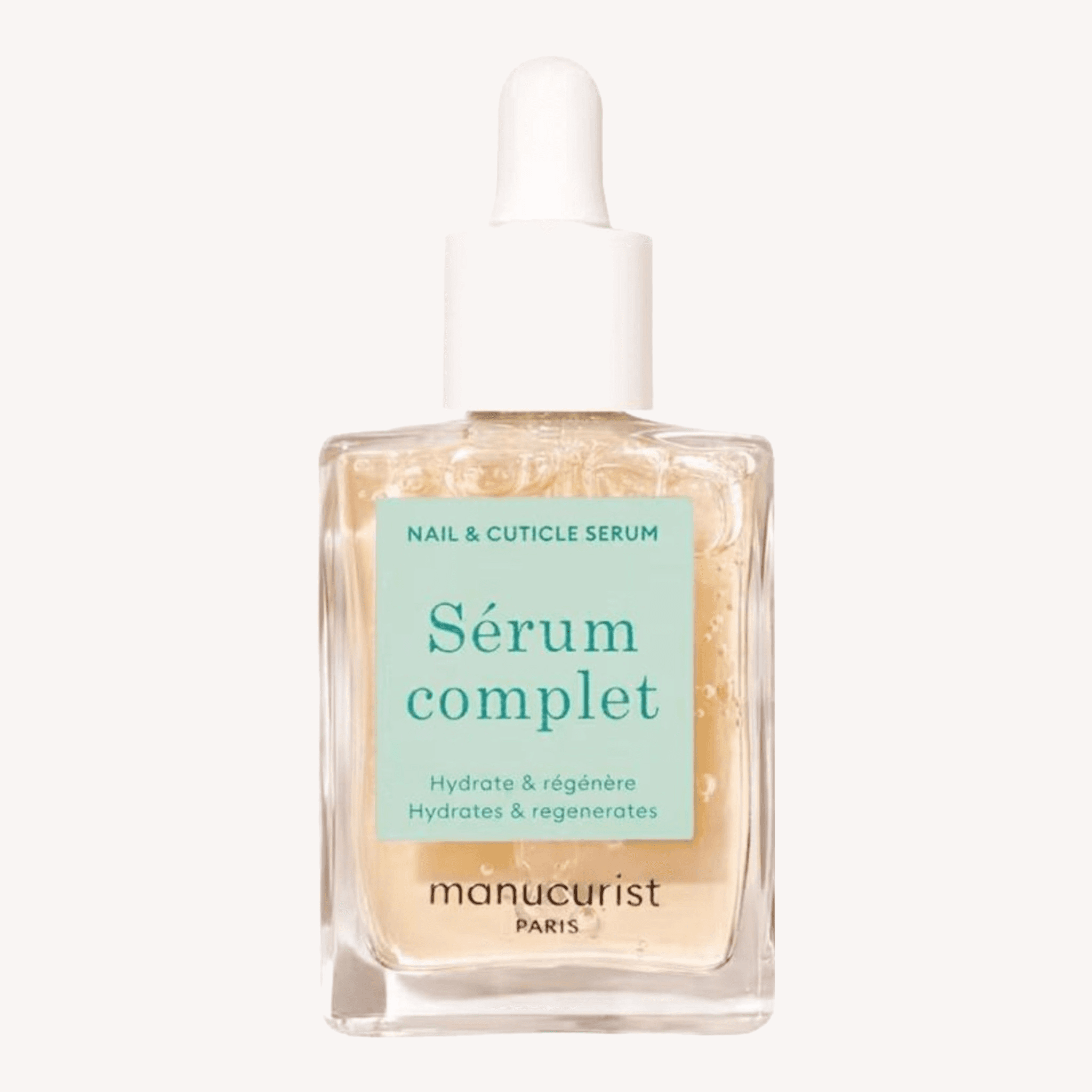
Manucurist Complete Serum Nail Strengthener
This nail and cuticle serum hydrates, strengthens, and revitalizes with chestnut extract, panthenol, and plant-based glycerin for healthier-looking nails.

AlphaRet Overnight Cream
This overnight cream combines a retinoid and alpha hydroxy acid to smooth fine lines, refine texture, and support brighter, renewed skin.

Prequel Retinal Renew Retinaldehyde Gel
This retinaldehyde gel supports visible skin renewal with 0.1% retinal, helping smooth fine lines, refine texture, and promote a more even complexion.
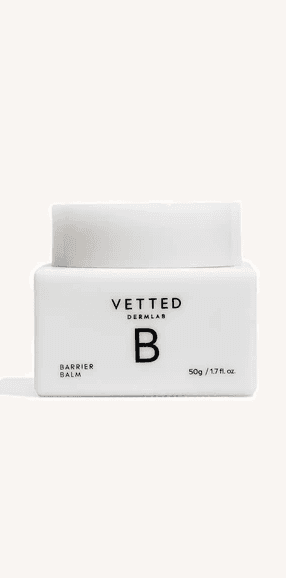
Vetted Dermlab B Balm
VETTED B Balm is a fragrance-free, sensitive-skin-safe formula that soothes, repairs, and restores dry, irritated skin and lips with barrier-supporting lipids and calming actives.
Saie Glowy Super Skin Tint Foundation
This lightweight skin tint blends skincare and makeup with buildable coverage, helping hydrate, brighten, and leave skin with a luminous finish.
Prequel Retinal Renew Retinaldehyde Gel
This retinaldehyde gel supports visible skin renewal with 0.1% retinal, helping smooth fine lines, refine texture, and promote a more even complexion.
Saie Glowy Super Skin Tint Foundation
This lightweight skin tint blends skincare and makeup with buildable coverage, helping hydrate, brighten, and leave skin with a luminous finish.
Manucurist Complete Serum Nail Strengthener
This nail and cuticle serum hydrates, strengthens, and revitalizes with chestnut extract, panthenol, and plant-based glycerin for healthier-looking nails.
AlphaRet Overnight Cream
This overnight cream combines a retinoid and alpha hydroxy acid to smooth fine lines, refine texture, and support brighter, renewed skin.

Carina Woodruff, MD
Carina Woodruff, MD
Founder and Board-Certified Dermatologist
Founder and Board-Certified Dermatologist
Board-certified dermatologist helping patients achieve healthy, confident skin with evidence-based care, thoughtful guidance, and realistic routines.
Board-certified dermatologist helping patients achieve healthy, confident skin with evidence-based care, thoughtful guidance, and realistic routines.