Skin Science
5 min read
The SPF Spots You’re Probably Missing: Scalp, Hairline, Ears, and Hands
The SPF Spots You’re Probably Missing: Scalp, Hairline, Ears, and Hands
You may be diligent about SPF on your face, but the scalp, ears, lips, neck, chest, and hands often get left behind. Let’s fix that.

THE BIG TAKEAWAY
Sunscreen only works where you actually put it.
The scalp, part line, ears, lips, neck, chest, and hands are easy to miss, but they get plenty of UV exposure and are common areas for sun damage and skin cancers.
Use broad-spectrum SPF 30 or higher, apply enough, reapply when outdoors, and make protection easier with lip SPF, scalp SPF, hats, UPF clothing, sunglasses, and shade.
Sunscreen is skincare. It is also preventive medicine, and yes, your scalp counts.
Sunscreen only works where you actually put it.
The scalp, part line, ears, lips, neck, chest, and hands are easy to miss, but they get plenty of UV exposure and are common areas for sun damage and skin cancers.
Use broad-spectrum SPF 30 or higher, apply enough, reapply when outdoors, and make protection easier with lip SPF, scalp SPF, hats, UPF clothing, sunglasses, and shade.
Sunscreen is skincare. It is also preventive medicine, and yes, your scalp counts.
Skin Science
5 min read
The SPF Spots You’re Probably Missing: Scalp, Hairline, Ears, and Hands
You may be diligent about SPF on your face, but the scalp, ears, lips, neck, chest, and hands often get left behind. Let’s fix that.
SHARE
SHARE
SAVE
SAVE
Most people do not have a sunscreen knowledge problem. They have a sunscreen logistics problem.
You probably know sunscreen matters. You may even use it every morning. Gold star. Truly. But sunscreen only works where you actually put it, and there are a few areas that get skipped over and over again: the scalp, part line, ears, lips, neck, chest, and hands.
These are also areas where dermatologists see a lot of sun damage - brown spots, rough precancers, wrinkles, redness, and skin cancers. So if your SPF routine currently ends at “I put some on my cheeks,” this is your friendly dermatologist nudge to widen the perimeter.
Sunscreen only works where you put it
A good sunscreen routine is not about finding the most expensive bottle or the trendiest formula. It is about using a broad-spectrum sunscreen consistently, applying enough, and reapplying when you are outdoors, sweating, swimming, or sitting in the sun for longer stretches.
This matters for a very practical reason: we get a lot of strong UV exposure, and our routines often include the exact situations where sunscreen disappears fastest - driving, patios, tennis, golf, outdoor workouts, lake weekends, pool days, and “I was only outside for a minute” errands that somehow become 45 minutes.
The goal is not to become afraid of the sun. The goal is to stop accidentally donating your most sun-exposed skin to ultraviolet radiation.
The scalp and part line
Your hair gives some protection, but it is not a force field. The part line, crown, thinning areas, and hairline can burn. They are also hard to monitor yourself, which is one reason scalp skin cancers can be missed.
If regular sunscreen makes your hair greasy, try a formula designed for this area: a scalp SPF spray, powder sunscreen, or a lightweight fluid you can apply to the part line. A UPF hat is even better for long outdoor days because it does not require perfect reapplication.
Ears, temples, and hairline
The tops of the ears are classic missed spots. So are the temples and hairline, especially if you are carefully avoiding your hair when you apply face sunscreen. Try applying sunscreen before styling your hair, then do a quick second pass around the edges of the face.
If sunscreen stings near your eyes or causes breakouts along the hairline, that does not mean you are “bad at sunscreen.” It means the formula may not be right for you. Mineral sunscreens can be helpful for some sensitive-skin patients, though the best sunscreen is ultimately the one you will actually wear.
Lips
The lips are exposed skin, and they need protection too. Chronic sun exposure can contribute to actinic cheilitis, which is sun damage on the lips that can sometimes become precancerous.
A lip balm with SPF is one of the easiest fixes. Keep one in your car, bag, golf/tennis bag, or pool tote. Reapply often, because eating, drinking, and talking all remove product.
Neck, chest, and back of neck
The neck and chest often reveal the difference between “I wear sunscreen on my face” and “I protect all the skin that sees daylight.” These areas get daily incidental sun, especially with V-necks, workout tops, swimsuits, and driving.
Bring your face sunscreen down to the neck and chest, or use a body sunscreen you like enough to apply every morning. The back of the neck matters too, especially if you wear your hair up.
Hands
Hands get a lot of UV exposure from driving and daily life. They are also one of the first places patients notice brown spots and crepey texture.
Apply sunscreen to the backs of your hands in the morning, and reapply after washing if you are outdoors. If you commute or spend a lot of time driving, this is especially worth doing.
But what about vitamin D?
This is one of the most common reasons people hesitate about sunscreen. The short answer: you do not need to intentionally burn or tan your skin to maintain healthy vitamin D. If you are concerned about deficiency, a blood test and supplement plan are safer and more reliable than using UV exposure as your vitamin D strategy.
Sunscreen also does not create an impenetrable shield in real life. Most people apply less than the tested amount, and normal daily use still allows some UV exposure. That does not mean sunscreen is pointless - it means it is one part of a bigger sun-protection plan.
How to make this easier
The best sunscreen routine is boringly practical:
Use broad-spectrum SPF 30 or higher.
Apply more than you think you need.
Reapply every two hours when outdoors, and sooner after swimming or sweating.
Use hats, sunglasses, UPF clothing, and shade.
Keep separate formulas where you need them: face, scalp, lips, body, car/bag.
This is not about perfection. It is about making the right thing easier to do.
When to see a dermatologist
Please have a dermatologist evaluate any spot that is changing, bleeding, painful, crusting, not healing, or looking different from your other spots. And if you have a history of skin cancer, lots of sun damage, tanning bed use, or a family history of melanoma, ask your dermatologist how often you should have a full skin exam.
Sunscreen is skincare. It is also preventive medicine. And yes, your scalp counts.
Most people do not have a sunscreen knowledge problem. They have a sunscreen logistics problem.
You probably know sunscreen matters. You may even use it every morning. Gold star. Truly. But sunscreen only works where you actually put it, and there are a few areas that get skipped over and over again: the scalp, part line, ears, lips, neck, chest, and hands.
These are also areas where dermatologists see a lot of sun damage - brown spots, rough precancers, wrinkles, redness, and skin cancers. So if your SPF routine currently ends at “I put some on my cheeks,” this is your friendly dermatologist nudge to widen the perimeter.
Sunscreen only works where you put it
A good sunscreen routine is not about finding the most expensive bottle or the trendiest formula. It is about using a broad-spectrum sunscreen consistently, applying enough, and reapplying when you are outdoors, sweating, swimming, or sitting in the sun for longer stretches.
This matters for a very practical reason: we get a lot of strong UV exposure, and our routines often include the exact situations where sunscreen disappears fastest - driving, patios, tennis, golf, outdoor workouts, lake weekends, pool days, and “I was only outside for a minute” errands that somehow become 45 minutes.
The goal is not to become afraid of the sun. The goal is to stop accidentally donating your most sun-exposed skin to ultraviolet radiation.
The scalp and part line
Your hair gives some protection, but it is not a force field. The part line, crown, thinning areas, and hairline can burn. They are also hard to monitor yourself, which is one reason scalp skin cancers can be missed.
If regular sunscreen makes your hair greasy, try a formula designed for this area: a scalp SPF spray, powder sunscreen, or a lightweight fluid you can apply to the part line. A UPF hat is even better for long outdoor days because it does not require perfect reapplication.
Ears, temples, and hairline
The tops of the ears are classic missed spots. So are the temples and hairline, especially if you are carefully avoiding your hair when you apply face sunscreen. Try applying sunscreen before styling your hair, then do a quick second pass around the edges of the face.
If sunscreen stings near your eyes or causes breakouts along the hairline, that does not mean you are “bad at sunscreen.” It means the formula may not be right for you. Mineral sunscreens can be helpful for some sensitive-skin patients, though the best sunscreen is ultimately the one you will actually wear.
Lips
The lips are exposed skin, and they need protection too. Chronic sun exposure can contribute to actinic cheilitis, which is sun damage on the lips that can sometimes become precancerous.
A lip balm with SPF is one of the easiest fixes. Keep one in your car, bag, golf/tennis bag, or pool tote. Reapply often, because eating, drinking, and talking all remove product.
Neck, chest, and back of neck
The neck and chest often reveal the difference between “I wear sunscreen on my face” and “I protect all the skin that sees daylight.” These areas get daily incidental sun, especially with V-necks, workout tops, swimsuits, and driving.
Bring your face sunscreen down to the neck and chest, or use a body sunscreen you like enough to apply every morning. The back of the neck matters too, especially if you wear your hair up.
Hands
Hands get a lot of UV exposure from driving and daily life. They are also one of the first places patients notice brown spots and crepey texture.
Apply sunscreen to the backs of your hands in the morning, and reapply after washing if you are outdoors. If you commute or spend a lot of time driving, this is especially worth doing.
But what about vitamin D?
This is one of the most common reasons people hesitate about sunscreen. The short answer: you do not need to intentionally burn or tan your skin to maintain healthy vitamin D. If you are concerned about deficiency, a blood test and supplement plan are safer and more reliable than using UV exposure as your vitamin D strategy.
Sunscreen also does not create an impenetrable shield in real life. Most people apply less than the tested amount, and normal daily use still allows some UV exposure. That does not mean sunscreen is pointless - it means it is one part of a bigger sun-protection plan.
How to make this easier
The best sunscreen routine is boringly practical:
Use broad-spectrum SPF 30 or higher.
Apply more than you think you need.
Reapply every two hours when outdoors, and sooner after swimming or sweating.
Use hats, sunglasses, UPF clothing, and shade.
Keep separate formulas where you need them: face, scalp, lips, body, car/bag.
This is not about perfection. It is about making the right thing easier to do.
When to see a dermatologist
Please have a dermatologist evaluate any spot that is changing, bleeding, painful, crusting, not healing, or looking different from your other spots. And if you have a history of skin cancer, lots of sun damage, tanning bed use, or a family history of melanoma, ask your dermatologist how often you should have a full skin exam.
Sunscreen is skincare. It is also preventive medicine. And yes, your scalp counts.
SHOP MY SHELF
SHOP MY SHELF
SHOP MY SHELF

Saie Glowy Super Skin Tint Foundation
This lightweight skin tint blends skincare and makeup with buildable coverage, helping hydrate, brighten, and leave skin with a luminous finish.
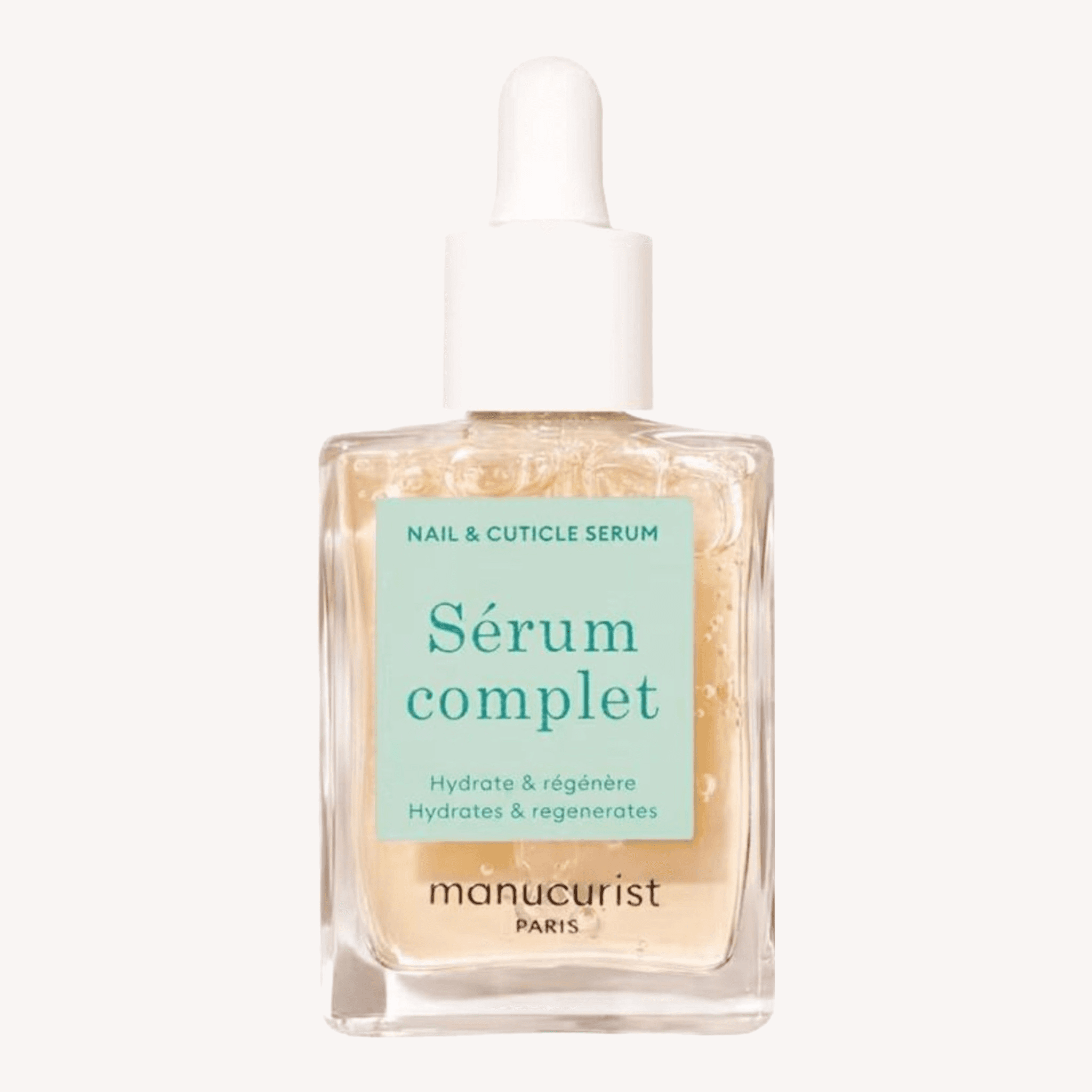
Manucurist Complete Serum Nail Strengthener
This nail and cuticle serum hydrates, strengthens, and revitalizes with chestnut extract, panthenol, and plant-based glycerin for healthier-looking nails.

AlphaRet Overnight Cream
This overnight cream combines a retinoid and alpha hydroxy acid to smooth fine lines, refine texture, and support brighter, renewed skin.

Prequel Retinal Renew Retinaldehyde Gel
This retinaldehyde gel supports visible skin renewal with 0.1% retinal, helping smooth fine lines, refine texture, and promote a more even complexion.
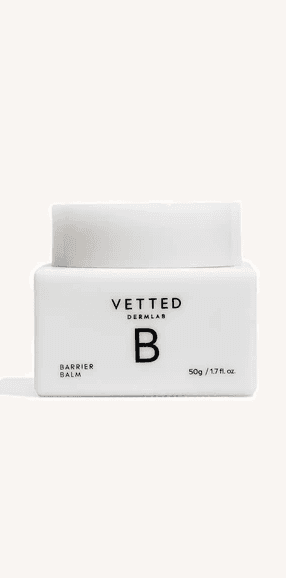
Vetted Dermlab B Balm
VETTED B Balm is a fragrance-free, sensitive-skin-safe formula that soothes, repairs, and restores dry, irritated skin and lips with barrier-supporting lipids and calming actives.
Saie Glowy Super Skin Tint Foundation
This lightweight skin tint blends skincare and makeup with buildable coverage, helping hydrate, brighten, and leave skin with a luminous finish.
Prequel Retinal Renew Retinaldehyde Gel
This retinaldehyde gel supports visible skin renewal with 0.1% retinal, helping smooth fine lines, refine texture, and promote a more even complexion.
Saie Glowy Super Skin Tint Foundation
This lightweight skin tint blends skincare and makeup with buildable coverage, helping hydrate, brighten, and leave skin with a luminous finish.
Manucurist Complete Serum Nail Strengthener
This nail and cuticle serum hydrates, strengthens, and revitalizes with chestnut extract, panthenol, and plant-based glycerin for healthier-looking nails.
AlphaRet Overnight Cream
This overnight cream combines a retinoid and alpha hydroxy acid to smooth fine lines, refine texture, and support brighter, renewed skin.

Carina Woodruff, MD
Carina Woodruff, MD
Founder and Board-Certified Dermatologist
Founder and Board-Certified Dermatologist
Board-certified dermatologist helping patients achieve healthy, confident skin with evidence-based care, thoughtful guidance, and realistic routines.
Board-certified dermatologist helping patients achieve healthy, confident skin with evidence-based care, thoughtful guidance, and realistic routines.