Allergic Contact Dermatitis
5 min read
Shin Guard Dermatitis: Why Soccer Shin Guards Can Trigger an Itchy Rash
Shin Guard Dermatitis: Why Soccer Shin Guards Can Trigger an Itchy Rash
An itchy rash under shin guards is often blamed on sweat, but friction, trapped heat, rubber chemicals, foam, dyes, and true contact allergy can all play a role.

THE BIG TAKEAWAY
Shin guard dermatitis can be caused by sweat and friction, but it may also be a true contact allergy.
The rash often appears exactly where the shin guards touch the skin.
Triggers can include foam, rubber, neoprene, dyes, adhesives, and elastic materials.
If the rash keeps returning during soccer season, the gear may be part of the problem.
Cleaning and drying shin guards, washing socks, and using a barrier layer can help.
Persistent or recurring rashes may need dermatology evaluation and patch testing.
Shin guard dermatitis can be caused by sweat and friction, but it may also be a true contact allergy.
The rash often appears exactly where the shin guards touch the skin.
Triggers can include foam, rubber, neoprene, dyes, adhesives, and elastic materials.
If the rash keeps returning during soccer season, the gear may be part of the problem.
Cleaning and drying shin guards, washing socks, and using a barrier layer can help.
Persistent or recurring rashes may need dermatology evaluation and patch testing.
Allergic Contact Dermatitis
5 min read
Shin Guard Dermatitis: Why Soccer Shin Guards Can Trigger an Itchy Rash
An itchy rash under shin guards is often blamed on sweat, but friction, trapped heat, rubber chemicals, foam, dyes, and true contact allergy can all play a role.
SHARE
SHARE
SAVE
SAVE
Shin Guard Dermatitis
Soccer season can be hard on the skin. Between heat, sweat, friction, turf, sunscreen, socks, and protective gear, the lower legs can take a beating, especially under shin guards.
One rash I always want families and athletes to recognize is shin guard dermatitis: an itchy, red, irritated rash that appears where shin guards sit against the skin.
It is easy to dismiss this as “just sweat” or “just eczema,” but that is not always the full story. Shin guard dermatitis can be caused by friction and trapped moisture, but it can also be a form of contact dermatitis, meaning the skin is reacting to something touching it.
For some players, the issue is irritation. For others, the issue is allergy.
And the difference matters.
What does shin guard dermatitis look like?
Shin guard dermatitis usually shows up on the front of the lower legs, often in the exact shape or location where the shin guards sit.
Common symptoms include:
Redness
Itching
Burning or stinging
Dry, scaly patches
Small bumps
Blistering or weeping in more severe cases
Skin darkening or discoloration after the rash improves
In kids, it may look like an eczema flare that keeps coming back every soccer season. In adults, it may look like stubborn irritation that improves during breaks from play, then returns when shin guards are worn again.
One clue is the pattern. If the rash is sharply limited to the area under the shin guard, especially if both legs are involved, the gear itself deserves attention.
Why shin guards can irritate the skin
Shin guards create the perfect environment for irritation: pressure, rubbing, sweat, heat, and occlusion.
When skin is trapped under a tight guard and sock, sweat cannot evaporate easily. The skin becomes warm and damp. Add repetitive running, sliding, and friction, and the skin barrier can break down.
This type of rash is called irritant contact dermatitis. It does not require a true allergy. It is more like the skin saying, “This is too much rubbing, moisture, and pressure.”
This is common in athletes, especially during hot weather or tournament weekends when gear is worn for hours, dried poorly, and reused quickly.
When it may be allergic contact dermatitis
Sometimes, the problem is not just friction. Sometimes the immune system is reacting to a material or chemical in the shin guard, sock, strap, sleeve, or foam padding.
This is called allergic contact dermatitis.
Potential triggers in sports gear can include:
Rubber accelerators
Neoprene-related chemicals
Dyes
Adhesives
Formaldehyde resins
Foam components
Elastic materials
Preservatives or antimicrobial treatments in fabrics
Some reports have also identified acetophenone azine, an emerging allergen associated with certain foam materials used in shin pads, shoe soles, and other athletic gear.
Allergic contact dermatitis can be tricky because the rash may not appear immediately. It can develop hours to days after exposure. That delay is one reason families may not connect the rash to shin guards.
The biggest clue: does it keep coming back?
A one-time irritated rash after a sweaty tournament may simply be friction and moisture.
But if the rash keeps returning in the same place every time shin guards are worn, I start thinking more seriously about contact dermatitis.
Helpful questions include:
Does the rash improve when the player takes a break from soccer?
Does it flare after wearing one specific pair of shin guards?
Does it happen under one brand or material but not another?
Does the player also react to certain shoes, braces, elastic bands, gloves, or rubber products?
Is the rash very itchy, blistering, weeping, or spreading beyond the original contact area?
Has it failed to improve with basic eczema care?
That pattern can help separate “sweaty skin irritation” from a true allergic reaction.
What to do first at home
The first step is to reduce friction, sweat, and direct contact.
After practice or a game, remove shin guards and sweaty socks as soon as possible. Wash the skin gently, then moisturize with a bland, fragrance-free moisturizer. The shin guards should be cleaned and fully dried between uses.
A few practical changes can help:
Wear a clean, moisture-wicking or cotton barrier layer under the guard.
Avoid wearing shin guards directly against bare skin.
Wash socks and sleeves after every use.
Let shin guards dry completely before the next practice.
Avoid fragranced detergents or fabric softeners on socks and sports clothing.
Replace old gear that has degraded foam, peeling lining, or retained odor.
Consider trying a different shin guard material or design.
For mild irritation, these changes may be enough.
When to change the shin guards
If the rash keeps recurring, changing the gear is often necessary.
A barrier sock may help with irritation, but it may not be enough for a true allergy. Allergens can sometimes migrate through sweat, socks, or liners, especially when the gear is tight and worn for long periods.
If a player reacts to one pair of shin guards, try switching to a different material and structure. Look for a hard-shell style with less foam or padding directly against the skin, and avoid neoprene-style sleeves if those seem to worsen the rash.
Unfortunately, it is not always easy to know exactly what chemicals are in sports gear. Labels may not list rubber accelerators, adhesives, dyes, or foam additives. That is why persistent cases may need a more formal evaluation.
When to see a dermatologist
A dermatologist can help determine whether the rash is irritant dermatitis, allergic contact dermatitis, eczema, infection, acne mechanica, or another condition.
You should seek care if:
The rash is severe, painful, blistering, or weeping
There is crusting, pus, warmth, or spreading redness
The rash keeps coming back
Over-the-counter treatments are not helping
The player has a history of eczema or sensitive skin
The rash spreads beyond the shin guard area
The rash is interfering with sports participation
Treatment may include prescription topical anti-inflammatory medication, repair of the skin barrier, treatment of infection if present, and guidance on how to avoid the trigger.
Where patch testing fits in
For recurrent or suspicious cases, patch testing can be very helpful.
Patch testing is different from a skin-prick allergy test. It is designed to evaluate delayed allergic contact dermatitis, the kind of allergy that can happen from materials touching the skin.
In shin guard dermatitis, patch testing may include standard allergens plus additional testing to the player’s own gear or specific materials when appropriate.
This is one of the reasons contact dermatitis expertise matters. If the right allergens are not tested, the answer can be missed.
The real takeaway
Not every shin rash is an allergy. But not every shin rash is “just sweat,” either.
If a soccer player develops an itchy, recurring rash under shin guards, the gear should be part of the investigation. Heat and friction may be enough to cause irritation, but rubber chemicals, foam, dyes, adhesives, and other materials can also trigger allergic contact dermatitis.
The best plan is simple: calm the skin, reduce friction and sweat, clean and dry the gear, change the material if needed, and consider patch testing when the pattern keeps repeating.
The bottom line
Shin guard dermatitis is common enough that athletes and parents should know what to look for.
A rash that appears exactly where shin guards touch the skin, especially one that keeps returning, deserves attention. With the right diagnosis and a few smart gear changes, many players can get back on the field more comfortably.
For persistent, itchy, or recurring rashes, a dermatologist can help identify whether this is irritation, eczema, infection, or allergic contact dermatitis, and whether patch testing may be the missing step.
Shin Guard Dermatitis
Soccer season can be hard on the skin. Between heat, sweat, friction, turf, sunscreen, socks, and protective gear, the lower legs can take a beating, especially under shin guards.
One rash I always want families and athletes to recognize is shin guard dermatitis: an itchy, red, irritated rash that appears where shin guards sit against the skin.
It is easy to dismiss this as “just sweat” or “just eczema,” but that is not always the full story. Shin guard dermatitis can be caused by friction and trapped moisture, but it can also be a form of contact dermatitis, meaning the skin is reacting to something touching it.
For some players, the issue is irritation. For others, the issue is allergy.
And the difference matters.
What does shin guard dermatitis look like?
Shin guard dermatitis usually shows up on the front of the lower legs, often in the exact shape or location where the shin guards sit.
Common symptoms include:
Redness
Itching
Burning or stinging
Dry, scaly patches
Small bumps
Blistering or weeping in more severe cases
Skin darkening or discoloration after the rash improves
In kids, it may look like an eczema flare that keeps coming back every soccer season. In adults, it may look like stubborn irritation that improves during breaks from play, then returns when shin guards are worn again.
One clue is the pattern. If the rash is sharply limited to the area under the shin guard, especially if both legs are involved, the gear itself deserves attention.
Why shin guards can irritate the skin
Shin guards create the perfect environment for irritation: pressure, rubbing, sweat, heat, and occlusion.
When skin is trapped under a tight guard and sock, sweat cannot evaporate easily. The skin becomes warm and damp. Add repetitive running, sliding, and friction, and the skin barrier can break down.
This type of rash is called irritant contact dermatitis. It does not require a true allergy. It is more like the skin saying, “This is too much rubbing, moisture, and pressure.”
This is common in athletes, especially during hot weather or tournament weekends when gear is worn for hours, dried poorly, and reused quickly.
When it may be allergic contact dermatitis
Sometimes, the problem is not just friction. Sometimes the immune system is reacting to a material or chemical in the shin guard, sock, strap, sleeve, or foam padding.
This is called allergic contact dermatitis.
Potential triggers in sports gear can include:
Rubber accelerators
Neoprene-related chemicals
Dyes
Adhesives
Formaldehyde resins
Foam components
Elastic materials
Preservatives or antimicrobial treatments in fabrics
Some reports have also identified acetophenone azine, an emerging allergen associated with certain foam materials used in shin pads, shoe soles, and other athletic gear.
Allergic contact dermatitis can be tricky because the rash may not appear immediately. It can develop hours to days after exposure. That delay is one reason families may not connect the rash to shin guards.
The biggest clue: does it keep coming back?
A one-time irritated rash after a sweaty tournament may simply be friction and moisture.
But if the rash keeps returning in the same place every time shin guards are worn, I start thinking more seriously about contact dermatitis.
Helpful questions include:
Does the rash improve when the player takes a break from soccer?
Does it flare after wearing one specific pair of shin guards?
Does it happen under one brand or material but not another?
Does the player also react to certain shoes, braces, elastic bands, gloves, or rubber products?
Is the rash very itchy, blistering, weeping, or spreading beyond the original contact area?
Has it failed to improve with basic eczema care?
That pattern can help separate “sweaty skin irritation” from a true allergic reaction.
What to do first at home
The first step is to reduce friction, sweat, and direct contact.
After practice or a game, remove shin guards and sweaty socks as soon as possible. Wash the skin gently, then moisturize with a bland, fragrance-free moisturizer. The shin guards should be cleaned and fully dried between uses.
A few practical changes can help:
Wear a clean, moisture-wicking or cotton barrier layer under the guard.
Avoid wearing shin guards directly against bare skin.
Wash socks and sleeves after every use.
Let shin guards dry completely before the next practice.
Avoid fragranced detergents or fabric softeners on socks and sports clothing.
Replace old gear that has degraded foam, peeling lining, or retained odor.
Consider trying a different shin guard material or design.
For mild irritation, these changes may be enough.
When to change the shin guards
If the rash keeps recurring, changing the gear is often necessary.
A barrier sock may help with irritation, but it may not be enough for a true allergy. Allergens can sometimes migrate through sweat, socks, or liners, especially when the gear is tight and worn for long periods.
If a player reacts to one pair of shin guards, try switching to a different material and structure. Look for a hard-shell style with less foam or padding directly against the skin, and avoid neoprene-style sleeves if those seem to worsen the rash.
Unfortunately, it is not always easy to know exactly what chemicals are in sports gear. Labels may not list rubber accelerators, adhesives, dyes, or foam additives. That is why persistent cases may need a more formal evaluation.
When to see a dermatologist
A dermatologist can help determine whether the rash is irritant dermatitis, allergic contact dermatitis, eczema, infection, acne mechanica, or another condition.
You should seek care if:
The rash is severe, painful, blistering, or weeping
There is crusting, pus, warmth, or spreading redness
The rash keeps coming back
Over-the-counter treatments are not helping
The player has a history of eczema or sensitive skin
The rash spreads beyond the shin guard area
The rash is interfering with sports participation
Treatment may include prescription topical anti-inflammatory medication, repair of the skin barrier, treatment of infection if present, and guidance on how to avoid the trigger.
Where patch testing fits in
For recurrent or suspicious cases, patch testing can be very helpful.
Patch testing is different from a skin-prick allergy test. It is designed to evaluate delayed allergic contact dermatitis, the kind of allergy that can happen from materials touching the skin.
In shin guard dermatitis, patch testing may include standard allergens plus additional testing to the player’s own gear or specific materials when appropriate.
This is one of the reasons contact dermatitis expertise matters. If the right allergens are not tested, the answer can be missed.
The real takeaway
Not every shin rash is an allergy. But not every shin rash is “just sweat,” either.
If a soccer player develops an itchy, recurring rash under shin guards, the gear should be part of the investigation. Heat and friction may be enough to cause irritation, but rubber chemicals, foam, dyes, adhesives, and other materials can also trigger allergic contact dermatitis.
The best plan is simple: calm the skin, reduce friction and sweat, clean and dry the gear, change the material if needed, and consider patch testing when the pattern keeps repeating.
The bottom line
Shin guard dermatitis is common enough that athletes and parents should know what to look for.
A rash that appears exactly where shin guards touch the skin, especially one that keeps returning, deserves attention. With the right diagnosis and a few smart gear changes, many players can get back on the field more comfortably.
For persistent, itchy, or recurring rashes, a dermatologist can help identify whether this is irritation, eczema, infection, or allergic contact dermatitis, and whether patch testing may be the missing step.
SHOP MY SHELF
SHOP MY SHELF
SHOP MY SHELF

Saie Glowy Super Skin Tint Foundation
This lightweight skin tint blends skincare and makeup with buildable coverage, helping hydrate, brighten, and leave skin with a luminous finish.
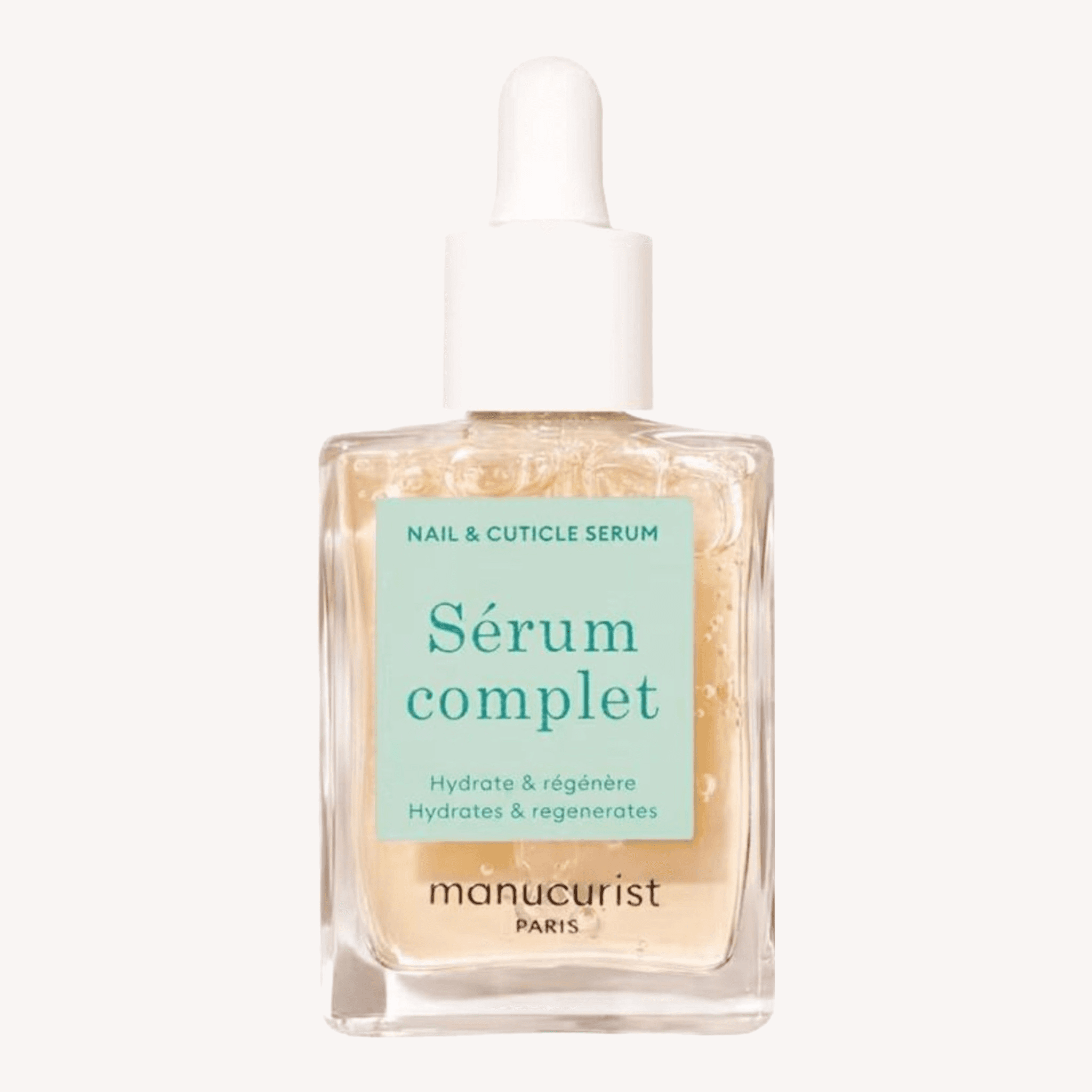
Manucurist Complete Serum Nail Strengthener
This nail and cuticle serum hydrates, strengthens, and revitalizes with chestnut extract, panthenol, and plant-based glycerin for healthier-looking nails.

AlphaRet Overnight Cream
This overnight cream combines a retinoid and alpha hydroxy acid to smooth fine lines, refine texture, and support brighter, renewed skin.

Prequel Retinal Renew Retinaldehyde Gel
This retinaldehyde gel supports visible skin renewal with 0.1% retinal, helping smooth fine lines, refine texture, and promote a more even complexion.
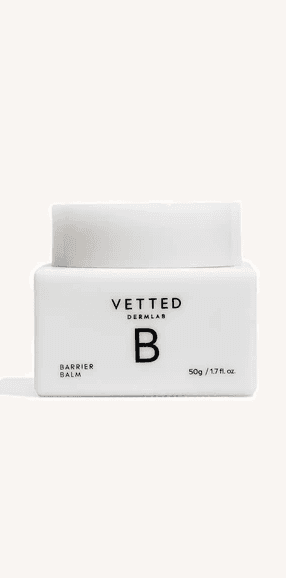
Vetted Dermlab B Balm
VETTED B Balm is a fragrance-free, sensitive-skin-safe formula that soothes, repairs, and restores dry, irritated skin and lips with barrier-supporting lipids and calming actives.
Saie Glowy Super Skin Tint Foundation
This lightweight skin tint blends skincare and makeup with buildable coverage, helping hydrate, brighten, and leave skin with a luminous finish.
Prequel Retinal Renew Retinaldehyde Gel
This retinaldehyde gel supports visible skin renewal with 0.1% retinal, helping smooth fine lines, refine texture, and promote a more even complexion.
Saie Glowy Super Skin Tint Foundation
This lightweight skin tint blends skincare and makeup with buildable coverage, helping hydrate, brighten, and leave skin with a luminous finish.
Manucurist Complete Serum Nail Strengthener
This nail and cuticle serum hydrates, strengthens, and revitalizes with chestnut extract, panthenol, and plant-based glycerin for healthier-looking nails.
AlphaRet Overnight Cream
This overnight cream combines a retinoid and alpha hydroxy acid to smooth fine lines, refine texture, and support brighter, renewed skin.

Carina Woodruff, MD
Carina Woodruff, MD
Founder and Board-Certified Dermatologist
Founder and Board-Certified Dermatologist
Board-certified dermatologist helping patients achieve healthy, confident skin with evidence-based care, thoughtful guidance, and realistic routines.
Board-certified dermatologist helping patients achieve healthy, confident skin with evidence-based care, thoughtful guidance, and realistic routines.