Skin Science
6 min read
Sensitive Skin Sunscreen: How to Pick SPF That Doesn’t Sting, Pill, Break You Out, or Leave a Cast
Sensitive Skin Sunscreen: How to Pick SPF That Doesn’t Sting, Pill, Break You Out, or Leave a Cast
The best sunscreen is not the one with the flashiest label. It is the one you can apply generously, reapply when needed, and tolerate every day.

THE BIG TAKEAWAY
The best sunscreen is not the internet’s favorite sunscreen. It is the one you can actually wear consistently.
If sunscreen burns, breaks you out, pills, feels greasy, or leaves a cast, the problem may be formula fit, not personal failure. Sensitive, acne-prone, dry, rosacea-prone, and pigment-prone skin may all need different SPF strategies.
Choose broad-spectrum SPF 30 or higher, apply enough, and reapply when outdoors, sweating, swimming, or toweling off.
Sunscreen should protect your skin, not ruin your morning.
The best sunscreen is not the internet’s favorite sunscreen. It is the one you can actually wear consistently.
If sunscreen burns, breaks you out, pills, feels greasy, or leaves a cast, the problem may be formula fit, not personal failure. Sensitive, acne-prone, dry, rosacea-prone, and pigment-prone skin may all need different SPF strategies.
Choose broad-spectrum SPF 30 or higher, apply enough, and reapply when outdoors, sweating, swimming, or toweling off.
Sunscreen should protect your skin, not ruin your morning.
Skin Science
6 min read
Sensitive Skin Sunscreen: How to Pick SPF That Doesn’t Sting, Pill, Break You Out, or Leave a Cast
The best sunscreen is not the one with the flashiest label. It is the one you can apply generously, reapply when needed, and tolerate every day.
SHARE
SHARE
SAVE
SAVE
When patients tell me they hate sunscreen, they usually do not mean they hate preventing skin cancer, melasma flares, sunburns, and premature aging.
They mean sunscreen has burned their eyes, broken them out, left a cast, pilled under makeup, felt greasy, or made their sensitive skin angry.
Fair. Sunscreen is only useful if you can actually wear it. The goal is not to find the internet’s “best sunscreen.” The goal is to find your best sunscreen - the one that protects your skin and fits your real life.
Sunscreen failure is often a formula-fit problem
A lot of people think they are “bad” at sunscreen. More often, they have been using a formula that does not match their skin, routine, or climate.
In Dallas, this matters because sunscreen has to survive heat, sweat, driving, outdoor workouts, pool days, and the kind of UV exposure that can aggravate melasma and post-inflammatory hyperpigmentation quickly.
The sunscreen you tolerate for a normal office day may not be the sunscreen you need for tennis, the lake, or a full day outside.
Mineral, chemical, and hybrid SPF: what actually matters
Mineral sunscreen
Mineral sunscreens use zinc oxide and/or titanium dioxide. They sit on the skin and help protect against UV exposure. Many sensitive-skin, rosacea-prone, or post-procedure patients prefer mineral formulas because they can be less stinging for some people.
The downside: some mineral formulas can feel heavy or leave a white cast, especially on deeper skin tones. Tinted mineral sunscreens can be helpful, particularly for melasma and pigment-prone skin.
Chemical sunscreen
Chemical sunscreens use organic UV filters that absorb UV radiation. Many are elegant, lightweight, and easier to wear under makeup. Some patients love them. Some patients find they sting around the eyes or irritate reactive skin.
Chemical does not automatically mean bad. Mineral does not automatically mean perfect. Skin is annoyingly individual that way.
Hybrid sunscreen
Hybrid formulas combine mineral and chemical filters. These can sometimes offer a nice balance of cosmetic elegance and tolerability.
Match sunscreen to your skin type
Sensitive or rosacea-prone skin
Look for fragrance-free options and consider mineral or hybrid formulas if chemical sunscreens sting. Avoid testing five new products at once. Your face is not a science fair.
Acne-prone skin
Look for lightweight, oil-free, non-comedogenic formulas. Gel, fluid, serum, or matte-finish sunscreens may feel better. Remember: sunscreen does not need to be drying to be acne-friendly.
Melasma or pigmentation-prone skin
Daily broad-spectrum sunscreen is non-negotiable. Tinted sunscreens with iron oxides can be especially useful because visible light can contribute to pigmentation in some patients. Hats and shade matter too.
Dry or barrier-damaged skin
If your skin barrier is irritated, sunscreen may sting because everything stings. Choose a gentle, moisturizing formula and simplify the rest of the routine.
The white-cast problem is a medical issue too
White cast is often treated like a cosmetic inconvenience, but it is also an access and adherence issue. If a product looks chalky or gray on your skin tone, you are less likely to apply enough of it every day.
That matters. Sunscreen only works when it is used generously and consistently.
How much to apply and when to reapply
Most adults need about one ounce — roughly a shot-glass amount — for the body when exposed. For the face and neck, many dermatologists use practical guides like the two-finger method, though the exact amount varies by face size and product.
Choose broad-spectrum SPF 30 or higher. Reapply at least every two hours when outdoors, and sooner if swimming, sweating, or toweling off. Higher SPF does not mean you can skip reapplication.
Why makeup SPF is not enough
Makeup with SPF is a nice bonus. It is not usually enough as your only sunscreen, because most people do not apply the amount of foundation or powder needed to reach the labeled SPF.
Use sunscreen first, then makeup. For reapplication, a powder, stick, spray, or cushion SPF may help — but it should supplement, not replace, a proper initial layer.
Build a sunscreen wardrobe
You do not need 12 sunscreens. But many people benefit from having a few categories:
Daily face sunscreen
Outdoor/water-resistant body sunscreen
Lip SPF
Scalp or part-line SPF
Reapplication option for bag/car/desk
UPF hat for long outdoor days
When sunscreen irritation deserves evaluation
If every sunscreen burns, causes a rash, makes your eyelids swell, triggers bumps, or creates a pattern you cannot explain, see a dermatologist. You may have rosacea, eczema, perioral dermatitis, acne, allergic contact dermatitis, or irritation from the rest of your routine.
Sometimes the answer is not “try another SPF.” Sometimes the answer is “let’s diagnose why your skin is reacting.”
The bottom line: sunscreen should protect your skin, not ruin your morning. The right formula exists. It may just take a dermatologist-style strategy to find it.
When patients tell me they hate sunscreen, they usually do not mean they hate preventing skin cancer, melasma flares, sunburns, and premature aging.
They mean sunscreen has burned their eyes, broken them out, left a cast, pilled under makeup, felt greasy, or made their sensitive skin angry.
Fair. Sunscreen is only useful if you can actually wear it. The goal is not to find the internet’s “best sunscreen.” The goal is to find your best sunscreen - the one that protects your skin and fits your real life.
Sunscreen failure is often a formula-fit problem
A lot of people think they are “bad” at sunscreen. More often, they have been using a formula that does not match their skin, routine, or climate.
In Dallas, this matters because sunscreen has to survive heat, sweat, driving, outdoor workouts, pool days, and the kind of UV exposure that can aggravate melasma and post-inflammatory hyperpigmentation quickly.
The sunscreen you tolerate for a normal office day may not be the sunscreen you need for tennis, the lake, or a full day outside.
Mineral, chemical, and hybrid SPF: what actually matters
Mineral sunscreen
Mineral sunscreens use zinc oxide and/or titanium dioxide. They sit on the skin and help protect against UV exposure. Many sensitive-skin, rosacea-prone, or post-procedure patients prefer mineral formulas because they can be less stinging for some people.
The downside: some mineral formulas can feel heavy or leave a white cast, especially on deeper skin tones. Tinted mineral sunscreens can be helpful, particularly for melasma and pigment-prone skin.
Chemical sunscreen
Chemical sunscreens use organic UV filters that absorb UV radiation. Many are elegant, lightweight, and easier to wear under makeup. Some patients love them. Some patients find they sting around the eyes or irritate reactive skin.
Chemical does not automatically mean bad. Mineral does not automatically mean perfect. Skin is annoyingly individual that way.
Hybrid sunscreen
Hybrid formulas combine mineral and chemical filters. These can sometimes offer a nice balance of cosmetic elegance and tolerability.
Match sunscreen to your skin type
Sensitive or rosacea-prone skin
Look for fragrance-free options and consider mineral or hybrid formulas if chemical sunscreens sting. Avoid testing five new products at once. Your face is not a science fair.
Acne-prone skin
Look for lightweight, oil-free, non-comedogenic formulas. Gel, fluid, serum, or matte-finish sunscreens may feel better. Remember: sunscreen does not need to be drying to be acne-friendly.
Melasma or pigmentation-prone skin
Daily broad-spectrum sunscreen is non-negotiable. Tinted sunscreens with iron oxides can be especially useful because visible light can contribute to pigmentation in some patients. Hats and shade matter too.
Dry or barrier-damaged skin
If your skin barrier is irritated, sunscreen may sting because everything stings. Choose a gentle, moisturizing formula and simplify the rest of the routine.
The white-cast problem is a medical issue too
White cast is often treated like a cosmetic inconvenience, but it is also an access and adherence issue. If a product looks chalky or gray on your skin tone, you are less likely to apply enough of it every day.
That matters. Sunscreen only works when it is used generously and consistently.
How much to apply and when to reapply
Most adults need about one ounce — roughly a shot-glass amount — for the body when exposed. For the face and neck, many dermatologists use practical guides like the two-finger method, though the exact amount varies by face size and product.
Choose broad-spectrum SPF 30 or higher. Reapply at least every two hours when outdoors, and sooner if swimming, sweating, or toweling off. Higher SPF does not mean you can skip reapplication.
Why makeup SPF is not enough
Makeup with SPF is a nice bonus. It is not usually enough as your only sunscreen, because most people do not apply the amount of foundation or powder needed to reach the labeled SPF.
Use sunscreen first, then makeup. For reapplication, a powder, stick, spray, or cushion SPF may help — but it should supplement, not replace, a proper initial layer.
Build a sunscreen wardrobe
You do not need 12 sunscreens. But many people benefit from having a few categories:
Daily face sunscreen
Outdoor/water-resistant body sunscreen
Lip SPF
Scalp or part-line SPF
Reapplication option for bag/car/desk
UPF hat for long outdoor days
When sunscreen irritation deserves evaluation
If every sunscreen burns, causes a rash, makes your eyelids swell, triggers bumps, or creates a pattern you cannot explain, see a dermatologist. You may have rosacea, eczema, perioral dermatitis, acne, allergic contact dermatitis, or irritation from the rest of your routine.
Sometimes the answer is not “try another SPF.” Sometimes the answer is “let’s diagnose why your skin is reacting.”
The bottom line: sunscreen should protect your skin, not ruin your morning. The right formula exists. It may just take a dermatologist-style strategy to find it.
SHOP MY SHELF
SHOP MY SHELF
SHOP MY SHELF

Saie Glowy Super Skin Tint Foundation
This lightweight skin tint blends skincare and makeup with buildable coverage, helping hydrate, brighten, and leave skin with a luminous finish.
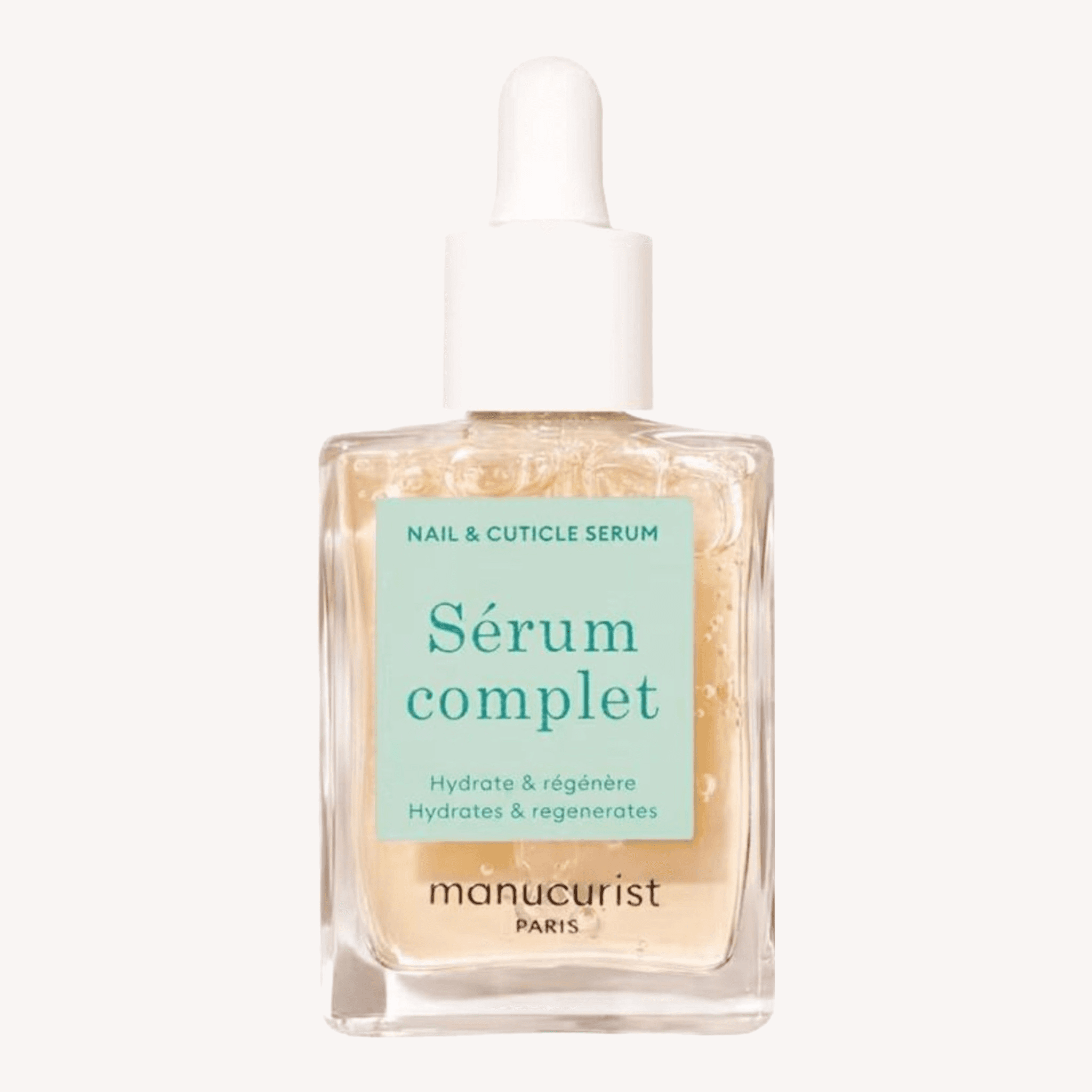
Manucurist Complete Serum Nail Strengthener
This nail and cuticle serum hydrates, strengthens, and revitalizes with chestnut extract, panthenol, and plant-based glycerin for healthier-looking nails.

AlphaRet Overnight Cream
This overnight cream combines a retinoid and alpha hydroxy acid to smooth fine lines, refine texture, and support brighter, renewed skin.

Prequel Retinal Renew Retinaldehyde Gel
This retinaldehyde gel supports visible skin renewal with 0.1% retinal, helping smooth fine lines, refine texture, and promote a more even complexion.
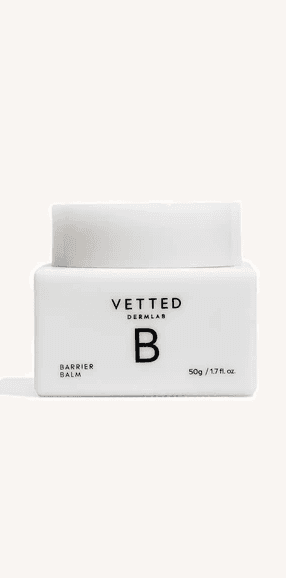
Vetted Dermlab B Balm
VETTED B Balm is a fragrance-free, sensitive-skin-safe formula that soothes, repairs, and restores dry, irritated skin and lips with barrier-supporting lipids and calming actives.
Saie Glowy Super Skin Tint Foundation
This lightweight skin tint blends skincare and makeup with buildable coverage, helping hydrate, brighten, and leave skin with a luminous finish.
Prequel Retinal Renew Retinaldehyde Gel
This retinaldehyde gel supports visible skin renewal with 0.1% retinal, helping smooth fine lines, refine texture, and promote a more even complexion.
Saie Glowy Super Skin Tint Foundation
This lightweight skin tint blends skincare and makeup with buildable coverage, helping hydrate, brighten, and leave skin with a luminous finish.
Manucurist Complete Serum Nail Strengthener
This nail and cuticle serum hydrates, strengthens, and revitalizes with chestnut extract, panthenol, and plant-based glycerin for healthier-looking nails.
AlphaRet Overnight Cream
This overnight cream combines a retinoid and alpha hydroxy acid to smooth fine lines, refine texture, and support brighter, renewed skin.

Carina Woodruff, MD
Carina Woodruff, MD
Founder and Board-Certified Dermatologist
Founder and Board-Certified Dermatologist
Board-certified dermatologist helping patients achieve healthy, confident skin with evidence-based care, thoughtful guidance, and realistic routines.
Board-certified dermatologist helping patients achieve healthy, confident skin with evidence-based care, thoughtful guidance, and realistic routines.