Medical Dermatology
4 min read
Why Do You Have Psoriasis?
Why Do You Have Psoriasis?
Psoriasis is shaped by genetics, the immune system and environmental triggers. Learn why flares happen and when to seek dermatology care.
THE BIG TAKEAWAY
Medical Dermatology
4 min read
Why Do You Have Psoriasis?
Psoriasis is shaped by genetics, the immune system and environmental triggers. Learn why flares happen and when to seek dermatology care.
SHARE
SHARE
SAVE
SAVE
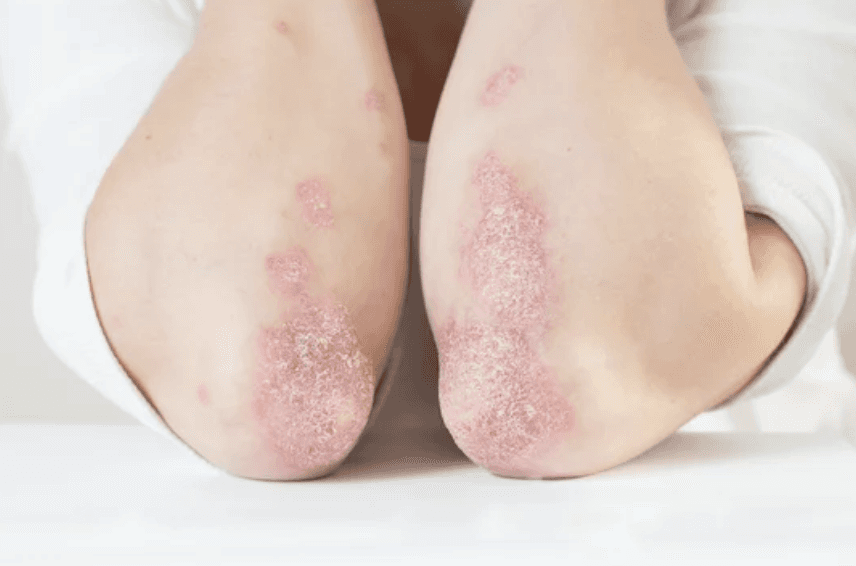
Psoriasis is a perplexing skin condition that affects millions of people worldwide. For those who live with it, the red, scaly patches and plaques that characterize psoriasis can be more than just a cosmetic concern - they can significantly impact quality of life, self-esteem, and overall health. As a dermatologist, I've seen firsthand how this complex, chronic disease takes a physical and emotional toll on my patients.
While there is still much we have to learn about the root causes and optimal management of psoriasis, recent research has shed important light on the interplay between genetics and environment that drives this condition. If you or a loved one are affected by psoriasis, understanding these key factors can help empower you to take control of your skin health.
The Genetic Connection: Is Psoriasis Inherited?
Psoriasis is widely considered to have a strong hereditary component. Studies have shown that if one parent has psoriasis, their child has about a 10% chance of developing the condition. If both parents have psoriasis, the risk jumps to 50-70%.
Specific genetic variations have been identified that appear to increase susceptibility to psoriasis. These genetic "markers" are involved in regulating the immune system and skin cell growth – the two primary mechanisms gone awry in psoriasis.
However, having the "psoriasis genes" doesn't necessarily mean the disease will manifest. Environmental and lifestyle factors also play a crucial role in triggering and perpetuating psoriasis flare-ups.
Environmental Factors That Can Worsen Psoriasis
While genetics load the gun, the environment pulls the trigger when it comes to psoriasis. Here are some of the top external influences that can exacerbate symptoms:
Stress
Significant life events, chronic anxiety, and even daily hassles can disrupt the delicate balance of the immune system, ramping up inflammation and driving psoriasis flare-ups.
Infections
Streptococcal throat infections, HIV, and other viral/bacterial infections have been linked to the development or worsening of psoriasis in susceptible individuals.
Certain Medications
Some common prescription drugs, including lithium, antimalarials, and beta-blockers, can trigger or worsen psoriasis in a percentage of patients.
Skin Injuries
Anything from a scrape or cut to severe sunburn can induce the Koebner phenomenon – the appearance of new psoriasis lesions at the site of skin trauma.
Obesity and Metabolic Factors
Excess weight, insulin resistance, and high blood pressure appear to increase psoriasis risk and disease severity. Weight loss has been shown to improve outcomes.
Climate and Seasons
Cold, dry weather tends to worsen psoriasis for many, while summertime sun exposure can provide some relief through the anti-inflammatory effects of UV light.
Treating Psoriasis: A Multifaceted Approach
Given the complex interplay of genetics and environment, effectively managing psoriasis requires a multi-pronged treatment strategy tailored to each individual patient. The good news is that we have more therapeutic options than ever before to achieve clearer, healthier skin.
Topical Treatments
Corticosteroids to reduce inflammation
Vitamin D analogues to normalize skin cell growth
Retinoids to slow excess skin cell production
Calcineurin inhibitors to modulate the immune response
Systemic Medications
Traditional immunosuppressants like methotrexate or cyclosporine
Biologic drugs that target specific inflammatory pathways
Oral retinoids to regulate skin cell turnover
Phototherapy
Controlled exposure to ultraviolet (UV) light, either narrowband UVB or PUVA (psoralen plus UVA)
Can be an effective option, especially for moderate-to-severe psoriasis
Lifestyle Modifications
Stress management techniques like meditation, yoga, or counseling
Dietary changes to promote weight loss and metabolic health
Moisturizing and gentle skin care to soothe flare-ups
The key is working closely with your dermatologist to find the right combination of treatments to keep your psoriasis under control. With the appropriate management plan, many people with psoriasis are able to achieve long-term remission and enjoy clearer, healthier skin.
Psoriasis is a perplexing skin condition that affects millions of people worldwide. For those who live with it, the red, scaly patches and plaques that characterize psoriasis can be more than just a cosmetic concern - they can significantly impact quality of life, self-esteem, and overall health. As a dermatologist, I've seen firsthand how this complex, chronic disease takes a physical and emotional toll on my patients.
While there is still much we have to learn about the root causes and optimal management of psoriasis, recent research has shed important light on the interplay between genetics and environment that drives this condition. If you or a loved one are affected by psoriasis, understanding these key factors can help empower you to take control of your skin health.
The Genetic Connection: Is Psoriasis Inherited?
Psoriasis is widely considered to have a strong hereditary component. Studies have shown that if one parent has psoriasis, their child has about a 10% chance of developing the condition. If both parents have psoriasis, the risk jumps to 50-70%.
Specific genetic variations have been identified that appear to increase susceptibility to psoriasis. These genetic "markers" are involved in regulating the immune system and skin cell growth – the two primary mechanisms gone awry in psoriasis.
However, having the "psoriasis genes" doesn't necessarily mean the disease will manifest. Environmental and lifestyle factors also play a crucial role in triggering and perpetuating psoriasis flare-ups.
Environmental Factors That Can Worsen Psoriasis
While genetics load the gun, the environment pulls the trigger when it comes to psoriasis. Here are some of the top external influences that can exacerbate symptoms:
Stress
Significant life events, chronic anxiety, and even daily hassles can disrupt the delicate balance of the immune system, ramping up inflammation and driving psoriasis flare-ups.
Infections
Streptococcal throat infections, HIV, and other viral/bacterial infections have been linked to the development or worsening of psoriasis in susceptible individuals.
Certain Medications
Some common prescription drugs, including lithium, antimalarials, and beta-blockers, can trigger or worsen psoriasis in a percentage of patients.
Skin Injuries
Anything from a scrape or cut to severe sunburn can induce the Koebner phenomenon – the appearance of new psoriasis lesions at the site of skin trauma.
Obesity and Metabolic Factors
Excess weight, insulin resistance, and high blood pressure appear to increase psoriasis risk and disease severity. Weight loss has been shown to improve outcomes.
Climate and Seasons
Cold, dry weather tends to worsen psoriasis for many, while summertime sun exposure can provide some relief through the anti-inflammatory effects of UV light.
Treating Psoriasis: A Multifaceted Approach
Given the complex interplay of genetics and environment, effectively managing psoriasis requires a multi-pronged treatment strategy tailored to each individual patient. The good news is that we have more therapeutic options than ever before to achieve clearer, healthier skin.
Topical Treatments
Corticosteroids to reduce inflammation
Vitamin D analogues to normalize skin cell growth
Retinoids to slow excess skin cell production
Calcineurin inhibitors to modulate the immune response
Systemic Medications
Traditional immunosuppressants like methotrexate or cyclosporine
Biologic drugs that target specific inflammatory pathways
Oral retinoids to regulate skin cell turnover
Phototherapy
Controlled exposure to ultraviolet (UV) light, either narrowband UVB or PUVA (psoralen plus UVA)
Can be an effective option, especially for moderate-to-severe psoriasis
Lifestyle Modifications
Stress management techniques like meditation, yoga, or counseling
Dietary changes to promote weight loss and metabolic health
Moisturizing and gentle skin care to soothe flare-ups
The key is working closely with your dermatologist to find the right combination of treatments to keep your psoriasis under control. With the appropriate management plan, many people with psoriasis are able to achieve long-term remission and enjoy clearer, healthier skin.
SHOP MY SHELF
SHOP MY SHELF
SHOP MY SHELF

Saie Glowy Super Skin Tint Foundation
This lightweight skin tint blends skincare and makeup with buildable coverage, helping hydrate, brighten, and leave skin with a luminous finish.
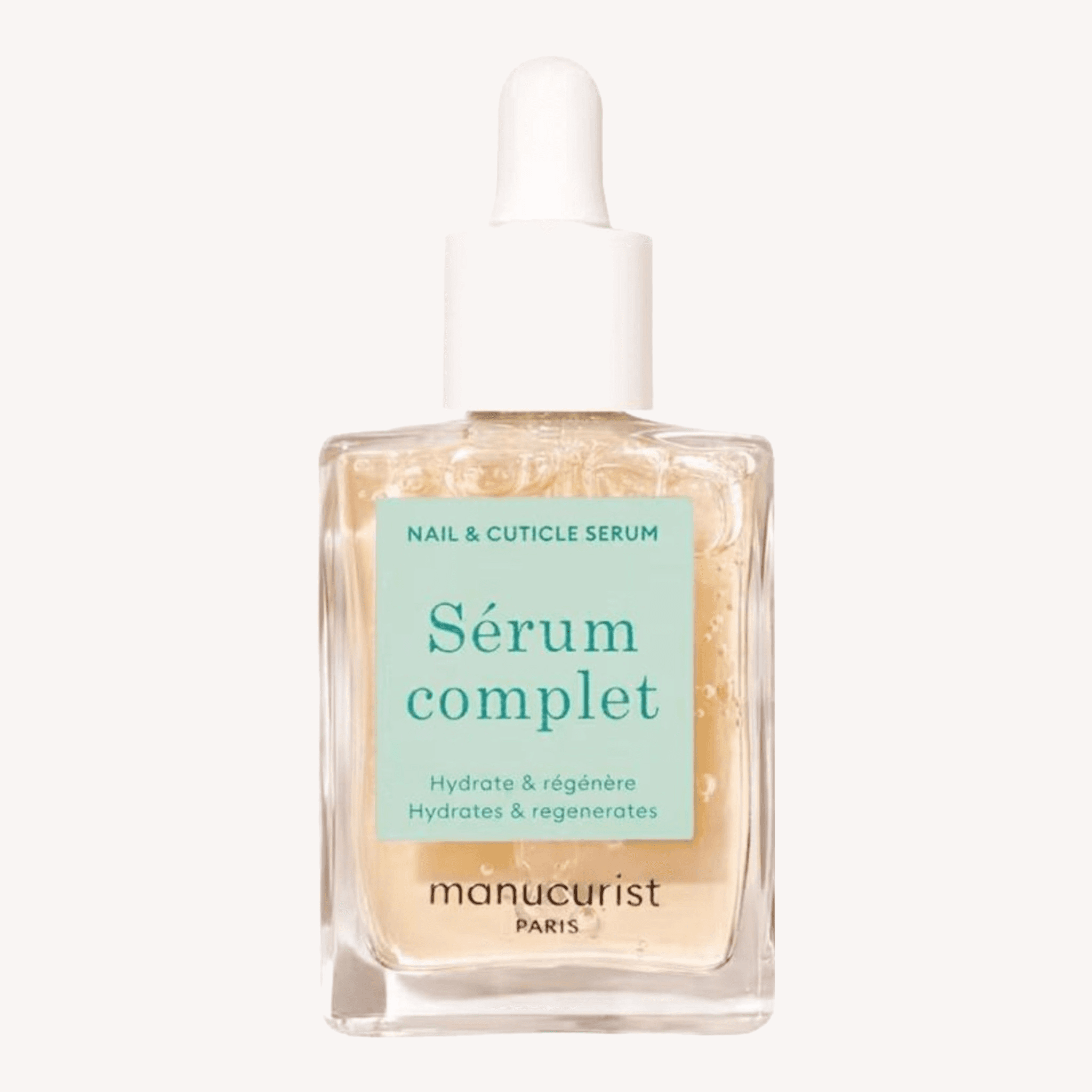
Manucurist Complete Serum Nail Strengthener
This nail and cuticle serum hydrates, strengthens, and revitalizes with chestnut extract, panthenol, and plant-based glycerin for healthier-looking nails.

AlphaRet Overnight Cream
This overnight cream combines a retinoid and alpha hydroxy acid to smooth fine lines, refine texture, and support brighter, renewed skin.

Prequel Retinal Renew Retinaldehyde Gel
This retinaldehyde gel supports visible skin renewal with 0.1% retinal, helping smooth fine lines, refine texture, and promote a more even complexion.

Vetted Dermlab B Balm
VETTED B Balm is a fragrance-free, sensitive-skin-safe formula that soothes, repairs, and restores dry, irritated skin and lips with barrier-supporting lipids and calming actives.
Saie Glowy Super Skin Tint Foundation
This lightweight skin tint blends skincare and makeup with buildable coverage, helping hydrate, brighten, and leave skin with a luminous finish.
Prequel Retinal Renew Retinaldehyde Gel
This retinaldehyde gel supports visible skin renewal with 0.1% retinal, helping smooth fine lines, refine texture, and promote a more even complexion.
Saie Glowy Super Skin Tint Foundation
This lightweight skin tint blends skincare and makeup with buildable coverage, helping hydrate, brighten, and leave skin with a luminous finish.
Manucurist Complete Serum Nail Strengthener
This nail and cuticle serum hydrates, strengthens, and revitalizes with chestnut extract, panthenol, and plant-based glycerin for healthier-looking nails.
AlphaRet Overnight Cream
This overnight cream combines a retinoid and alpha hydroxy acid to smooth fine lines, refine texture, and support brighter, renewed skin.

Carina Woodruff, MD
Carina Woodruff, MD
Founder and Board-Certified Dermatologist
Founder and Board-Certified Dermatologist
Board-certified dermatologist helping patients achieve healthy, confident skin with evidence-based care, thoughtful guidance, and realistic routines.
Board-certified dermatologist helping patients achieve healthy, confident skin with evidence-based care, thoughtful guidance, and realistic routines.