Pigmentation
2 min read
What to Do if You Have Melasma
What to Do if You Have Melasma
Melasma can be stubborn, but the right skincare, sun protection and dermatologist-guided treatments can help fade brown or gray facial discoloration.
THE BIG TAKEAWAY
Pigmentation
2 min read
What to Do if You Have Melasma
Melasma can be stubborn, but the right skincare, sun protection and dermatologist-guided treatments can help fade brown or gray facial discoloration.
SHARE
SHARE
SAVE
SAVE
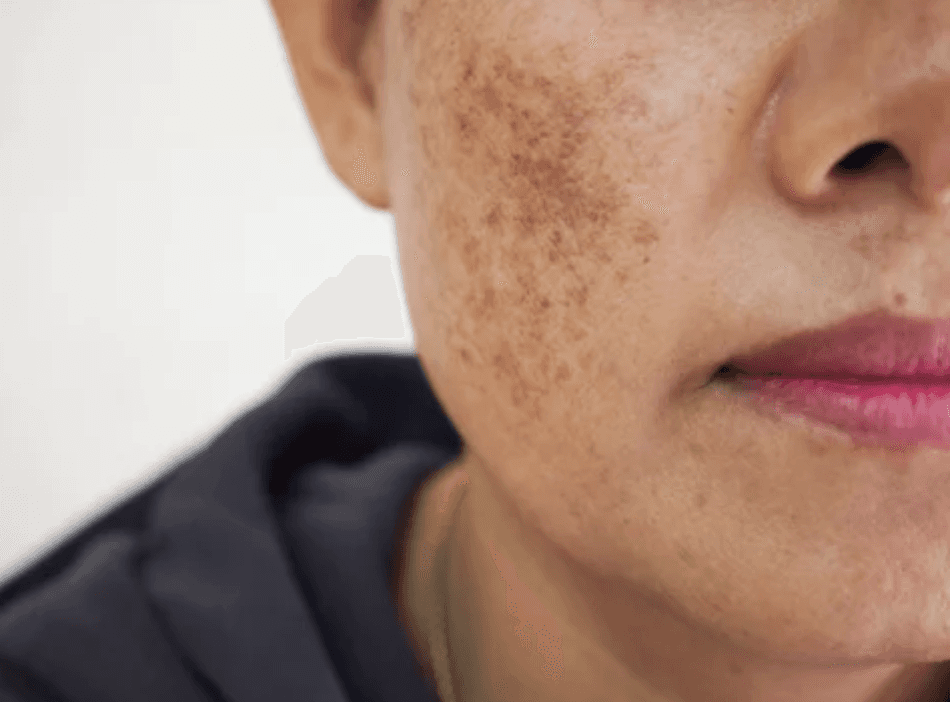
If you struggle with stubborn brown or gray patches on your face, you're likely dealing with a common yet challenging skin condition known as melasma. While not a serious health threat, melasma can have a significant impact on your self-confidence and quality of life.
Fortunately, there are effective treatments available that can help fade those unwanted discolorations.
What is Melasma, Exactly?
Melasma is a form of hyperpigmentation, meaning it results from an excess production of melanin in the skin. This excess pigment manifests as darker, blotchy patches, typically on the cheeks, forehead, nose, and upper lip.
Unlike other types of hyperpigmentation, melasma is often triggered by hormonal changes and sun exposure. Key factors that can contribute to melasma include:
Pregnancy (often called the "mask of pregnancy")
Birth control pill usage
Hormone therapy
Excessive sun exposure
Heat
Melasma is more common in women, but men can develop it as well. It's also more prevalent in those with darker skin tones.
Effective Treatments for Fading Melasma
There's no one-size-fits-all cure for melasma. However, there are several evidence-backed treatments that can significantly its appearance. These are usually used in combination or succession to achieve and then maintain results (because melasma is chronic and honestly, usually pretty hard to treat):
Topical Skin Lightening Agents: Over-the-counter and prescription creams containing ingredients like hydroquinone, retinoids, tranexamic acid, cysteamine, kojic acid, and vitamin C can help inhibit melanin production and fade dark spots. This is usually applied once or twice daily. I will order a custom compound cream for you based on your skin needs and tolerance.
Chemical Peels: Deeper exfoliation with superficial or medium chemical peels can remove the outer layer of discolored skin and promote cell turnover for a more even complexion. The ViPeel is a great starting peel for all skin tones. Depending on response, we can increase the depth of the chemical peel we perform over time.
Laser Treatments: Certain laser therapies, such as Q-switched lasers and intense pulsed light (IPL), can target and break up excess pigment in the skin.
Oral Tranexamic acid: this can help lighten the skin and maintain the results of the above procedures during summers.
Daily use of a broad spectrum sunscreen with visible light protection (look for "iron oxide" in the ingredient list) plus sun avoidance/seeking shade is crucial to achieve and maintain results.
If you struggle with stubborn brown or gray patches on your face, you're likely dealing with a common yet challenging skin condition known as melasma. While not a serious health threat, melasma can have a significant impact on your self-confidence and quality of life.
Fortunately, there are effective treatments available that can help fade those unwanted discolorations.
What is Melasma, Exactly?
Melasma is a form of hyperpigmentation, meaning it results from an excess production of melanin in the skin. This excess pigment manifests as darker, blotchy patches, typically on the cheeks, forehead, nose, and upper lip.
Unlike other types of hyperpigmentation, melasma is often triggered by hormonal changes and sun exposure. Key factors that can contribute to melasma include:
Pregnancy (often called the "mask of pregnancy")
Birth control pill usage
Hormone therapy
Excessive sun exposure
Heat
Melasma is more common in women, but men can develop it as well. It's also more prevalent in those with darker skin tones.
Effective Treatments for Fading Melasma
There's no one-size-fits-all cure for melasma. However, there are several evidence-backed treatments that can significantly its appearance. These are usually used in combination or succession to achieve and then maintain results (because melasma is chronic and honestly, usually pretty hard to treat):
Topical Skin Lightening Agents: Over-the-counter and prescription creams containing ingredients like hydroquinone, retinoids, tranexamic acid, cysteamine, kojic acid, and vitamin C can help inhibit melanin production and fade dark spots. This is usually applied once or twice daily. I will order a custom compound cream for you based on your skin needs and tolerance.
Chemical Peels: Deeper exfoliation with superficial or medium chemical peels can remove the outer layer of discolored skin and promote cell turnover for a more even complexion. The ViPeel is a great starting peel for all skin tones. Depending on response, we can increase the depth of the chemical peel we perform over time.
Laser Treatments: Certain laser therapies, such as Q-switched lasers and intense pulsed light (IPL), can target and break up excess pigment in the skin.
Oral Tranexamic acid: this can help lighten the skin and maintain the results of the above procedures during summers.
Daily use of a broad spectrum sunscreen with visible light protection (look for "iron oxide" in the ingredient list) plus sun avoidance/seeking shade is crucial to achieve and maintain results.
SHOP MY SHELF
SHOP MY SHELF
SHOP MY SHELF

Saie Glowy Super Skin Tint Foundation
This lightweight skin tint blends skincare and makeup with buildable coverage, helping hydrate, brighten, and leave skin with a luminous finish.
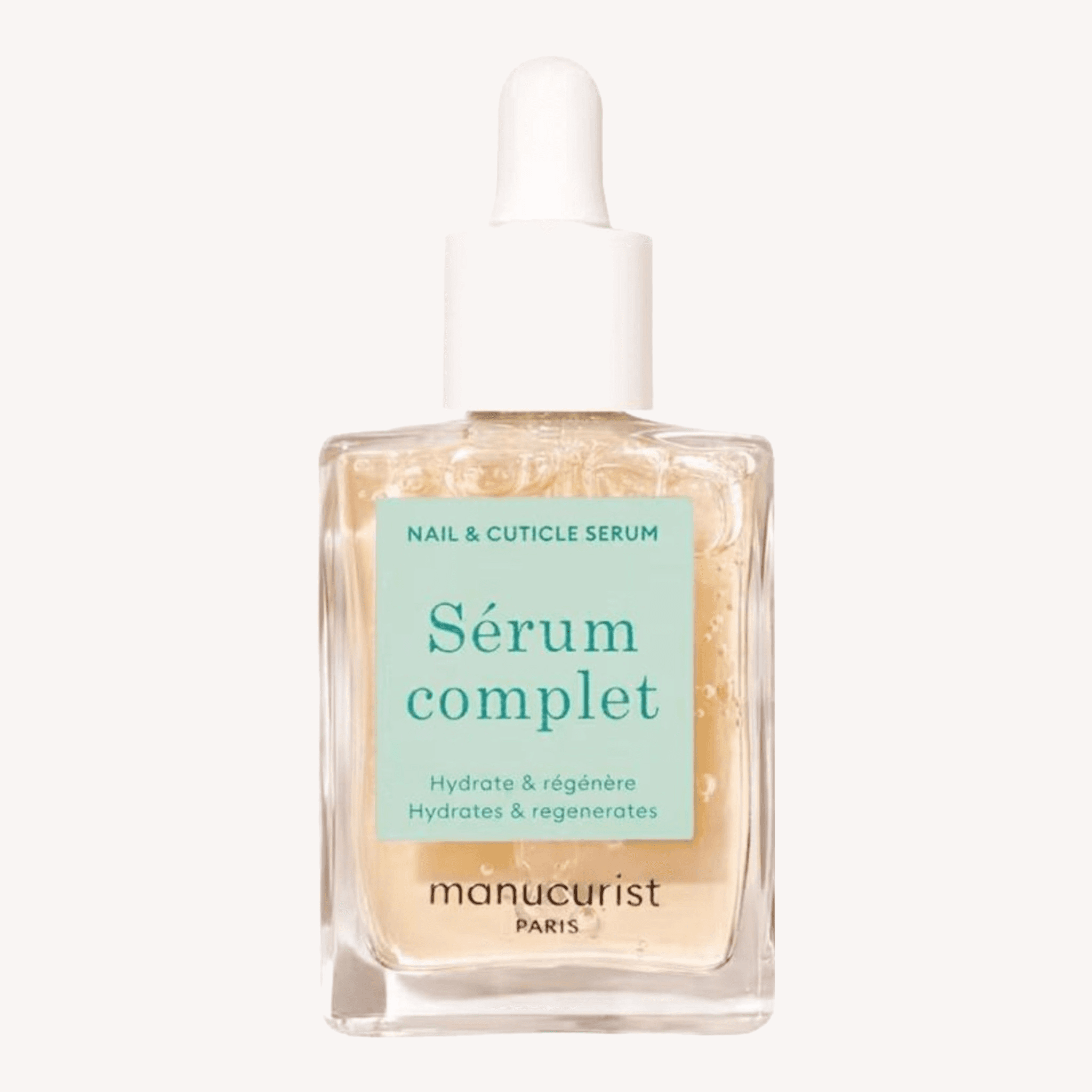
Manucurist Complete Serum Nail Strengthener
This nail and cuticle serum hydrates, strengthens, and revitalizes with chestnut extract, panthenol, and plant-based glycerin for healthier-looking nails.

AlphaRet Overnight Cream
This overnight cream combines a retinoid and alpha hydroxy acid to smooth fine lines, refine texture, and support brighter, renewed skin.

Prequel Retinal Renew Retinaldehyde Gel
This retinaldehyde gel supports visible skin renewal with 0.1% retinal, helping smooth fine lines, refine texture, and promote a more even complexion.
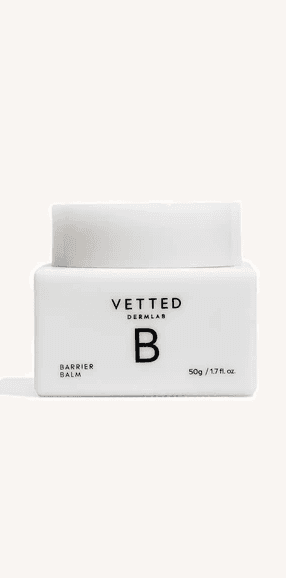
Vetted Dermlab B Balm
VETTED B Balm is a fragrance-free, sensitive-skin-safe formula that soothes, repairs, and restores dry, irritated skin and lips with barrier-supporting lipids and calming actives.
Saie Glowy Super Skin Tint Foundation
This lightweight skin tint blends skincare and makeup with buildable coverage, helping hydrate, brighten, and leave skin with a luminous finish.
Prequel Retinal Renew Retinaldehyde Gel
This retinaldehyde gel supports visible skin renewal with 0.1% retinal, helping smooth fine lines, refine texture, and promote a more even complexion.
Saie Glowy Super Skin Tint Foundation
This lightweight skin tint blends skincare and makeup with buildable coverage, helping hydrate, brighten, and leave skin with a luminous finish.
Manucurist Complete Serum Nail Strengthener
This nail and cuticle serum hydrates, strengthens, and revitalizes with chestnut extract, panthenol, and plant-based glycerin for healthier-looking nails.
AlphaRet Overnight Cream
This overnight cream combines a retinoid and alpha hydroxy acid to smooth fine lines, refine texture, and support brighter, renewed skin.

Carina Woodruff, MD
Carina Woodruff, MD
Founder and Board-Certified Dermatologist
Founder and Board-Certified Dermatologist
Board-certified dermatologist helping patients achieve healthy, confident skin with evidence-based care, thoughtful guidance, and realistic routines.
Board-certified dermatologist helping patients achieve healthy, confident skin with evidence-based care, thoughtful guidance, and realistic routines.