Procedures & Treatments
3 min read
Fade Your Scars for Good with This Cutting-Edge Treatment
Fade Your Scars for Good with This Cutting-Edge Treatment
Advanced laser treatments can help improve scars, texture and discoloration. Learn how dermatologist-guided laser care supports smoother-looking skin.
THE BIG TAKEAWAY
Procedures & Treatments
3 min read
Fade Your Scars for Good with This Cutting-Edge Treatment
Advanced laser treatments can help improve scars, texture and discoloration. Learn how dermatologist-guided laser care supports smoother-looking skin.
SHARE
SHARE
SAVE
SAVE
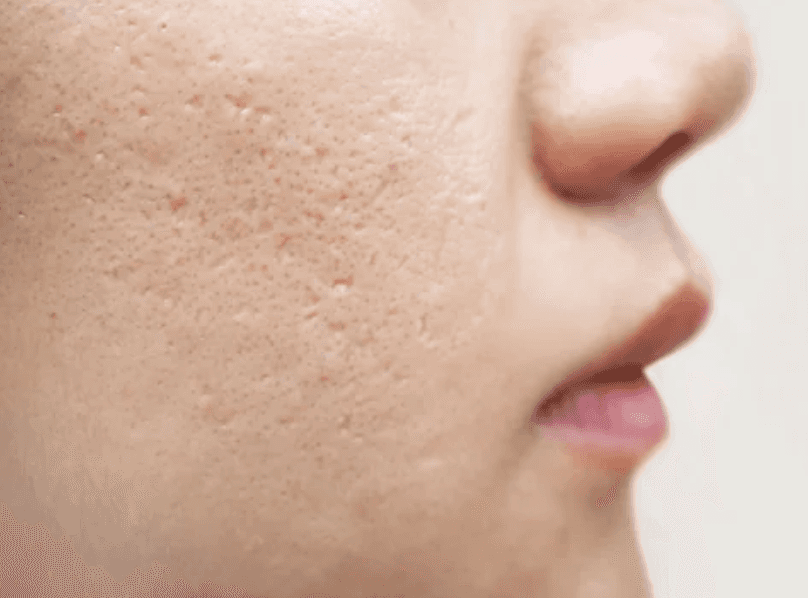
Scars can be a frustrating and often permanent reminder of an injury, surgery, or skin condition. But what if I told you there's a way to dramatically minimize - or even completely eliminate - those unwanted marks? Enter the power of CO2 laser treatment.
This innovative laser therapy has emerged as a game-changer in the world of scar management, offering patients a safe and effective solution to transform their skin. Let's dive into the key benefits and what you need to know before getting started.
How CO2 Laser Works Its Magic on Scars
At its core, CO2 laser treatment works by resurfacing the skin to smooth and flatten out scar tissue. The laser emits highly concentrated beams of light that precisely ablate (remove) the outermost layers of damaged skin. This triggers the body's natural healing process, stimulating the production of collagen and elastin for rebuilding and remodeling the scar.
Over the course of several treatment sessions, the scar tissue begins to soften, flatten, and blend more seamlessly into the surrounding skin. Discoloration and texture irregularities also tend to improve dramatically.
The best part? CO2 laser can be used to treat all different types of scars, including:
Acne scars
Surgical scars
Burn scars
Traumatic scars from injuries
When is the Right Time to Start Treatment?
Timing is key when it comes to maximizing the benefits of CO2 laser for scars. Ideally, you'll want to start treatment as soon as the scar has fully matured - usually around 6-12 months after the initial injury or surgery.
This allows the scar to stabilize before the laser goes to work, reducing the risk of further irritation or inflammation. However, many patients see excellent results even with older, more established scars.
Your dermatologist will work with you to develop a personalized treatment plan based on the characteristics of your scar, your skin type, and your desired outcomes. Most people require 3-5 laser sessions spaced 4-6 weeks apart to achieve their optimal results.
What to Expect During and After Treatment
CO2 laser treatments are performed in our office under local anesthesia. You may experience some mild discomfort during the procedure, but most patients find it quite tolerable.
Afterwards, you can expect some redness, swelling, and peeling as your skin heals. This typically resolves within 5-7 days. Your provider will give you specific instructions on caring for your skin during this recovery period.
Most patients see gradual improvements in their scar's appearance over the course of several weeks. By 3-6 months after your final treatment, you'll be able to enjoy the full transformative effects.
Reclaim Your Confidence with Clearer, Smoother Skin
If you're tired of hiding behind your scars, CO2 laser treatment could be the solution you've been searching for. By addressing the root causes of scar formation, this cutting-edge therapy can dramatically improve the look and feel of your skin.
Talk to your dermatologist today about whether you're a good candidate for CO2 laser scar treatment. With their guidance, you can finally achieve the clearer, more confident complexion you deserve.
Scars can be a frustrating and often permanent reminder of an injury, surgery, or skin condition. But what if I told you there's a way to dramatically minimize - or even completely eliminate - those unwanted marks? Enter the power of CO2 laser treatment.
This innovative laser therapy has emerged as a game-changer in the world of scar management, offering patients a safe and effective solution to transform their skin. Let's dive into the key benefits and what you need to know before getting started.
How CO2 Laser Works Its Magic on Scars
At its core, CO2 laser treatment works by resurfacing the skin to smooth and flatten out scar tissue. The laser emits highly concentrated beams of light that precisely ablate (remove) the outermost layers of damaged skin. This triggers the body's natural healing process, stimulating the production of collagen and elastin for rebuilding and remodeling the scar.
Over the course of several treatment sessions, the scar tissue begins to soften, flatten, and blend more seamlessly into the surrounding skin. Discoloration and texture irregularities also tend to improve dramatically.
The best part? CO2 laser can be used to treat all different types of scars, including:
Acne scars
Surgical scars
Burn scars
Traumatic scars from injuries
When is the Right Time to Start Treatment?
Timing is key when it comes to maximizing the benefits of CO2 laser for scars. Ideally, you'll want to start treatment as soon as the scar has fully matured - usually around 6-12 months after the initial injury or surgery.
This allows the scar to stabilize before the laser goes to work, reducing the risk of further irritation or inflammation. However, many patients see excellent results even with older, more established scars.
Your dermatologist will work with you to develop a personalized treatment plan based on the characteristics of your scar, your skin type, and your desired outcomes. Most people require 3-5 laser sessions spaced 4-6 weeks apart to achieve their optimal results.
What to Expect During and After Treatment
CO2 laser treatments are performed in our office under local anesthesia. You may experience some mild discomfort during the procedure, but most patients find it quite tolerable.
Afterwards, you can expect some redness, swelling, and peeling as your skin heals. This typically resolves within 5-7 days. Your provider will give you specific instructions on caring for your skin during this recovery period.
Most patients see gradual improvements in their scar's appearance over the course of several weeks. By 3-6 months after your final treatment, you'll be able to enjoy the full transformative effects.
Reclaim Your Confidence with Clearer, Smoother Skin
If you're tired of hiding behind your scars, CO2 laser treatment could be the solution you've been searching for. By addressing the root causes of scar formation, this cutting-edge therapy can dramatically improve the look and feel of your skin.
Talk to your dermatologist today about whether you're a good candidate for CO2 laser scar treatment. With their guidance, you can finally achieve the clearer, more confident complexion you deserve.
SHOP MY SHELF
SHOP MY SHELF
SHOP MY SHELF

Saie Glowy Super Skin Tint Foundation
This lightweight skin tint blends skincare and makeup with buildable coverage, helping hydrate, brighten, and leave skin with a luminous finish.
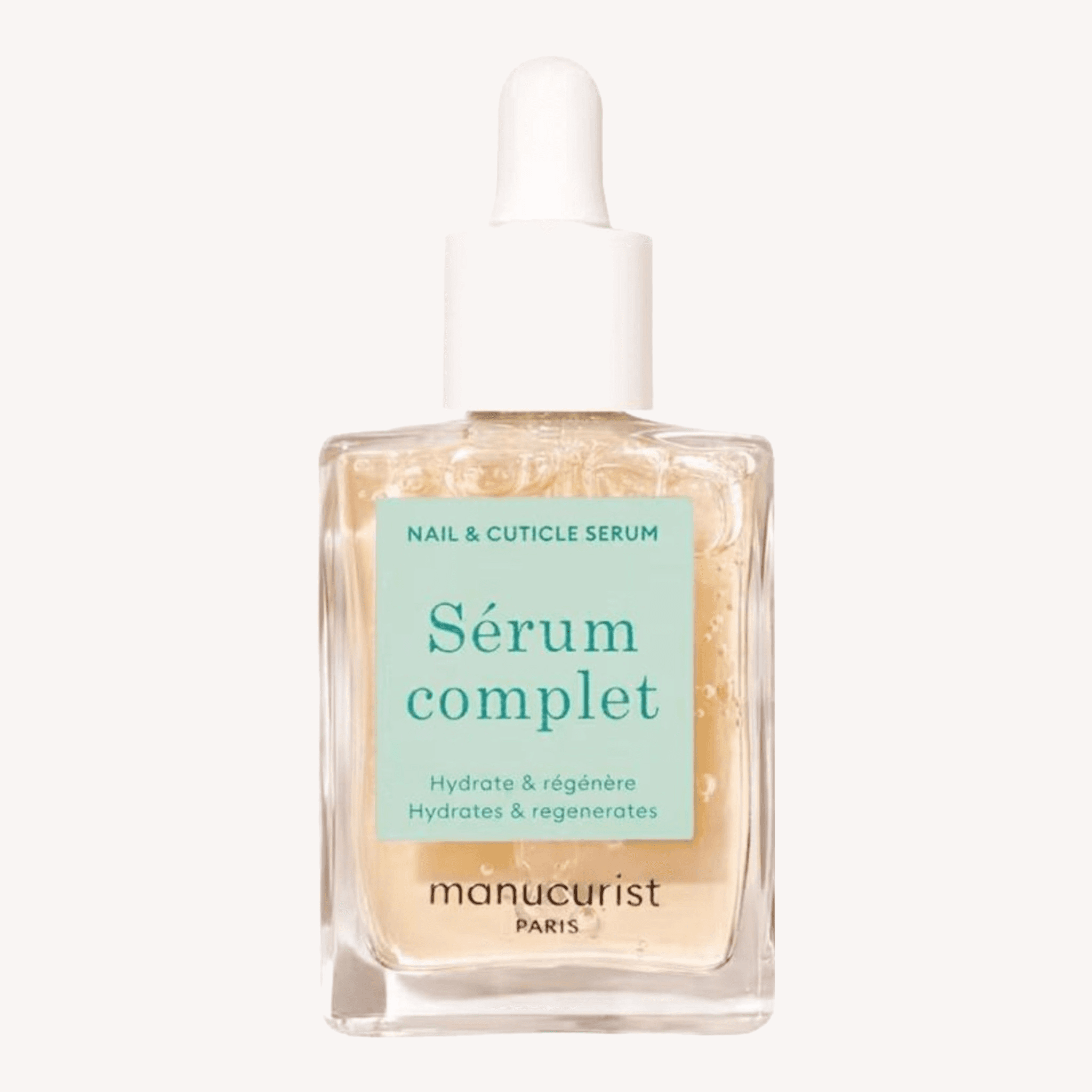
Manucurist Complete Serum Nail Strengthener
This nail and cuticle serum hydrates, strengthens, and revitalizes with chestnut extract, panthenol, and plant-based glycerin for healthier-looking nails.

AlphaRet Overnight Cream
This overnight cream combines a retinoid and alpha hydroxy acid to smooth fine lines, refine texture, and support brighter, renewed skin.

Prequel Retinal Renew Retinaldehyde Gel
This retinaldehyde gel supports visible skin renewal with 0.1% retinal, helping smooth fine lines, refine texture, and promote a more even complexion.
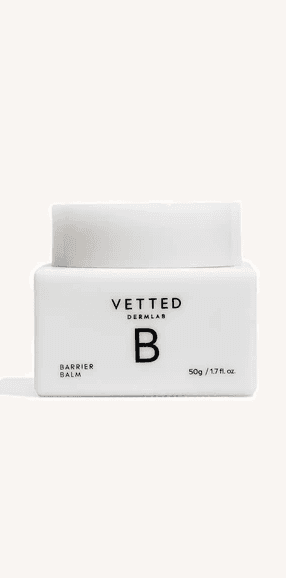
Vetted Dermlab B Balm
VETTED B Balm is a fragrance-free, sensitive-skin-safe formula that soothes, repairs, and restores dry, irritated skin and lips with barrier-supporting lipids and calming actives.
Saie Glowy Super Skin Tint Foundation
This lightweight skin tint blends skincare and makeup with buildable coverage, helping hydrate, brighten, and leave skin with a luminous finish.
Prequel Retinal Renew Retinaldehyde Gel
This retinaldehyde gel supports visible skin renewal with 0.1% retinal, helping smooth fine lines, refine texture, and promote a more even complexion.
Saie Glowy Super Skin Tint Foundation
This lightweight skin tint blends skincare and makeup with buildable coverage, helping hydrate, brighten, and leave skin with a luminous finish.
Manucurist Complete Serum Nail Strengthener
This nail and cuticle serum hydrates, strengthens, and revitalizes with chestnut extract, panthenol, and plant-based glycerin for healthier-looking nails.
AlphaRet Overnight Cream
This overnight cream combines a retinoid and alpha hydroxy acid to smooth fine lines, refine texture, and support brighter, renewed skin.

Carina Woodruff, MD
Carina Woodruff, MD
Founder and Board-Certified Dermatologist
Founder and Board-Certified Dermatologist
Board-certified dermatologist helping patients achieve healthy, confident skin with evidence-based care, thoughtful guidance, and realistic routines.
Board-certified dermatologist helping patients achieve healthy, confident skin with evidence-based care, thoughtful guidance, and realistic routines.