Procedures & Treatments
7 min read
Laser or Microneedling Before Summer? What Your Dermatologist Wants You to Know
Laser or Microneedling Before Summer? What Your Dermatologist Wants You to Know
Fraxel, microneedling, and RF devices can improve texture, acne scars, and pigment - but only when the treatment fits your skin and your summer plans.
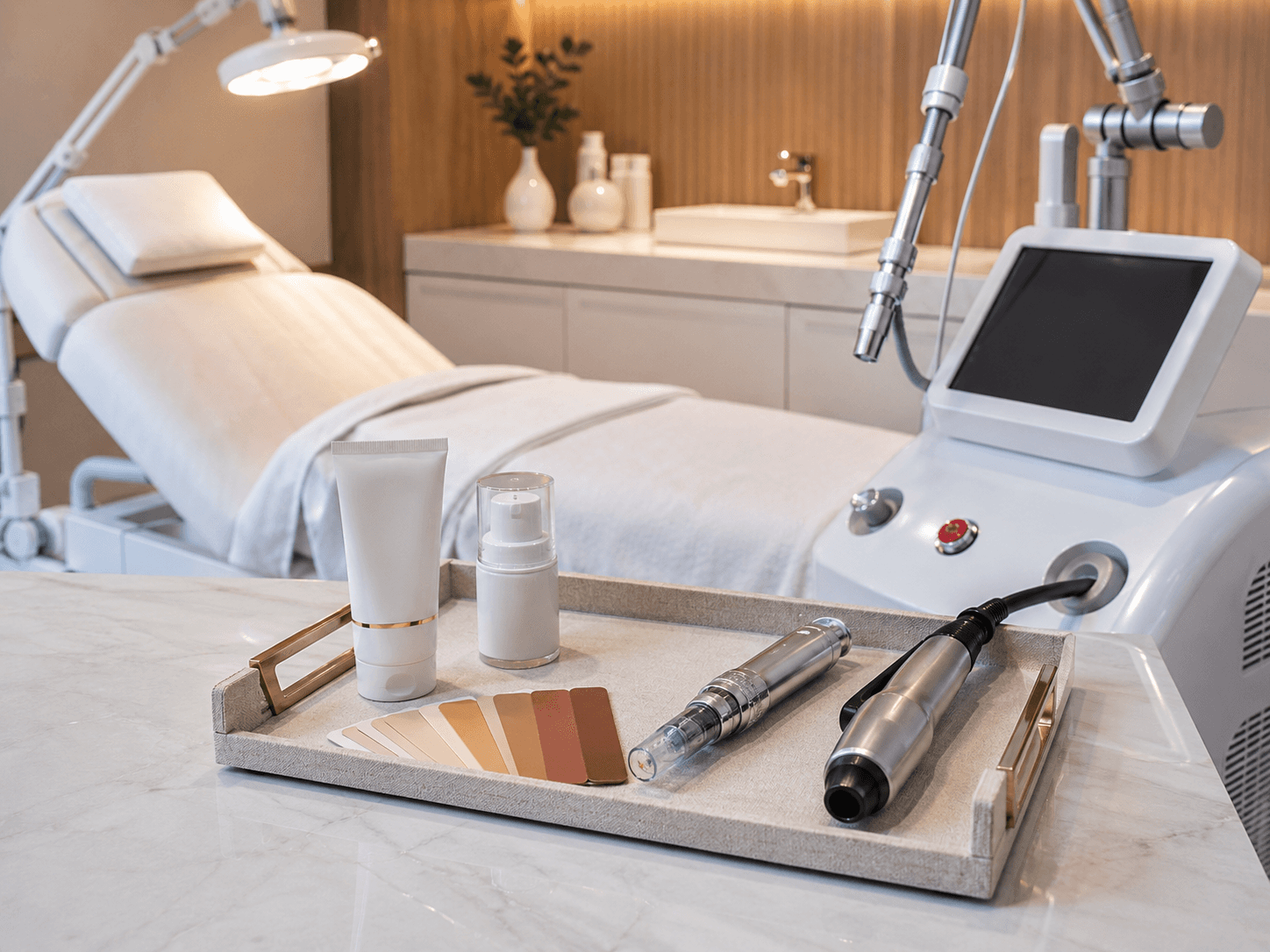
THE BIG TAKEAWAY
Lasers, microneedling, RF microneedling, and chemical peels can be powerful tools, but they are not interchangeable and they are not one-size-fits-all.
The right procedure depends on what you are treating, your skin tone, pigment history, medications, downtime, and ability to protect your skin while it heals. This matters even more in Dallas summer, when heat, sweat, UV exposure, and travel can complicate recovery.
The best treatment is not the trendiest one. It is the one that fits your skin, your diagnosis, and your real life.
Lasers, microneedling, RF microneedling, and chemical peels can be powerful tools, but they are not interchangeable and they are not one-size-fits-all.
The right procedure depends on what you are treating, your skin tone, pigment history, medications, downtime, and ability to protect your skin while it heals. This matters even more in Dallas summer, when heat, sweat, UV exposure, and travel can complicate recovery.
The best treatment is not the trendiest one. It is the one that fits your skin, your diagnosis, and your real life.
Procedures & Treatments
7 min read
Laser or Microneedling Before Summer? What Your Dermatologist Wants You to Know
Fraxel, microneedling, and RF devices can improve texture, acne scars, and pigment - but only when the treatment fits your skin and your summer plans.
SHARE
SHARE
SAVE
SAVE
Beauty coverage makes procedures sound deceptively simple: pick the buzzy treatment, tolerate some downtime, emerge with better skin.
Real skin is more complicated - and that is exactly why this is a dermatologist conversation.
Fraxel, SkinPen, RF microneedling, Clear + Brilliant, Moxi, Halo, Pico lasers, chemical peels - these can all be useful tools. But they are not interchangeable, and they are not risk-free. The right choice depends on what you are actually treating: active acne, acne scars, brown spots, melasma, redness, pores, texture, fine lines, or sun damage.
It also depends on your skin tone, pigment history, medications, downtime tolerance, and whether you can realistically avoid strong sun during healing. In Dallas summer, that last part is not a small detail.
The treatment is only half the story
Procedures work by creating controlled injury. That is the point. Lasers, microneedling, and peels all ask the skin to repair, remodel collagen, shed pigment, or resurface in a more organized way.
But controlled injury still has to be controlled. Too much inflammation, heat, picking, irritation, or UV exposure can turn a well-intended treatment into prolonged redness, breakouts, infection, scarring, or hyperpigmentation.
That does not mean you should be afraid of procedures. It means the plan should be thoughtful.
Fraxel vs microneedling vs RF microneedling, in plain English
Fraxel and fractional lasers
Fractional lasers create columns of controlled thermal injury in the skin. Depending on the device and settings, they can help with acne scars, fine lines, sun damage, brown spots, and texture. Fraxel is often discussed because it can produce meaningful improvement, but it also requires downtime and very careful aftercare.
The key word is thermal. Heat can be helpful, but in pigment-prone or melasma-prone patients, heat and inflammation must be handled carefully.
Traditional microneedling
Traditional microneedling uses tiny needles to create controlled micro-injuries without adding laser heat. It can help with texture, mild acne scarring, pores, and collagen remodeling. It usually requires a series of treatments and patience, because collagen remodeling happens over weeks to months.
This is not the same thing as rolling needles over your face at home. Medical microneedling uses sterile equipment, controlled depth, appropriate patient selection, and infection-prevention protocols.
RF microneedling
RF microneedling combines needles with radiofrequency heat delivered into the skin. It may be useful for texture, acne scars, and skin tightening in selected patients, but the heat component matters. In the wrong setting, or with the wrong patient, heat can worsen pigmentation or irritation.
Match the procedure to the problem
Before asking, “Which procedure is best?” ask, “What are we treating?”
Active acne needs acne control first. If you are breaking out in the treatment area, some procedures may need to be delayed or modified.
Brown marks after acne are post-inflammatory hyperpigmentation. They are not the same as indented scars.
Indented acne scars may need collagen-stimulating procedures, resurfacing, subcision, fillers, or a combination plan.
Melasma is its own category. It is pigment-prone, heat-sensitive, and relapse-prone. Aggressive procedures can backfire if the skin is not prepared and protected.
Texture and fine lines may respond to resurfacing, but the intensity of treatment should match your goals and downtime tolerance.
Why summer timing matters
Dallas summer is not exactly a post-procedure recovery spa. We have high UV, heat, sweat, pool days, lake weekends, patios, outdoor workouts, and travel.
After many procedures, your skin is temporarily more vulnerable. UV exposure can worsen hyperpigmentation. Sweat and heat can aggravate irritation. Swimming too soon can increase irritation or infection risk. Active skincare products can sting or disrupt healing.
If you have a beach trip, lake weekend, outdoor wedding, tennis tournament, or pool-heavy vacation coming up, tell your dermatologist before booking. Sometimes the safest plan is to treat later, choose a gentler option, or focus on medical skincare until your schedule is more procedure-friendly.
What to stop before treatment
Your exact instructions should come from your clinician, but many patients are told to pause irritating actives before procedures. This may include retinoids, exfoliating acids, scrubs, benzoyl peroxide, and certain brightening products.
This is not because those ingredients are bad. It is because irritated skin is less predictable.
Also tell your dermatologist about:
Recent isotretinoin use
Pregnancy or breastfeeding
History of cold sores
History of keloids or poor wound healing
Current acne flare or skin infection
Recent tanning or sunburn
Melasma history
New medications or supplements
What post-procedure skin care should look like
Post-procedure skincare is usually boring on purpose.
Think gentle cleanser, bland moisturizer, sun protection, and whatever prescription or healing instructions your clinician provides. This is not the week to test a new vitamin C serum, peel pad, scrub, retinoid, fragranced mask, or “barrier repair” product with 47 botanical extracts.
Who may need to wait
You may need to delay or rethink a procedure if you have active infection, a significant acne flare, recent sunburn or tanning, uncontrolled melasma, a major sunny trip coming up, certain medication histories, pregnancy, or a history of poor wound healing.
This does not mean “no forever.” It means “not casually, not today, and not without a plan.”
The bottom line
The best procedure is not the one with the most dramatic before-and-after online. It is the one that fits your skin type, diagnosis, timeline, and ability to protect your skin while it heals.
If you are considering lasers, microneedling, acne scar treatment, or pigment procedures, start with a diagnosis. Then build the plan around your skin - not the trend cycle.
Beauty coverage makes procedures sound deceptively simple: pick the buzzy treatment, tolerate some downtime, emerge with better skin.
Real skin is more complicated - and that is exactly why this is a dermatologist conversation.
Fraxel, SkinPen, RF microneedling, Clear + Brilliant, Moxi, Halo, Pico lasers, chemical peels - these can all be useful tools. But they are not interchangeable, and they are not risk-free. The right choice depends on what you are actually treating: active acne, acne scars, brown spots, melasma, redness, pores, texture, fine lines, or sun damage.
It also depends on your skin tone, pigment history, medications, downtime tolerance, and whether you can realistically avoid strong sun during healing. In Dallas summer, that last part is not a small detail.
The treatment is only half the story
Procedures work by creating controlled injury. That is the point. Lasers, microneedling, and peels all ask the skin to repair, remodel collagen, shed pigment, or resurface in a more organized way.
But controlled injury still has to be controlled. Too much inflammation, heat, picking, irritation, or UV exposure can turn a well-intended treatment into prolonged redness, breakouts, infection, scarring, or hyperpigmentation.
That does not mean you should be afraid of procedures. It means the plan should be thoughtful.
Fraxel vs microneedling vs RF microneedling, in plain English
Fraxel and fractional lasers
Fractional lasers create columns of controlled thermal injury in the skin. Depending on the device and settings, they can help with acne scars, fine lines, sun damage, brown spots, and texture. Fraxel is often discussed because it can produce meaningful improvement, but it also requires downtime and very careful aftercare.
The key word is thermal. Heat can be helpful, but in pigment-prone or melasma-prone patients, heat and inflammation must be handled carefully.
Traditional microneedling
Traditional microneedling uses tiny needles to create controlled micro-injuries without adding laser heat. It can help with texture, mild acne scarring, pores, and collagen remodeling. It usually requires a series of treatments and patience, because collagen remodeling happens over weeks to months.
This is not the same thing as rolling needles over your face at home. Medical microneedling uses sterile equipment, controlled depth, appropriate patient selection, and infection-prevention protocols.
RF microneedling
RF microneedling combines needles with radiofrequency heat delivered into the skin. It may be useful for texture, acne scars, and skin tightening in selected patients, but the heat component matters. In the wrong setting, or with the wrong patient, heat can worsen pigmentation or irritation.
Match the procedure to the problem
Before asking, “Which procedure is best?” ask, “What are we treating?”
Active acne needs acne control first. If you are breaking out in the treatment area, some procedures may need to be delayed or modified.
Brown marks after acne are post-inflammatory hyperpigmentation. They are not the same as indented scars.
Indented acne scars may need collagen-stimulating procedures, resurfacing, subcision, fillers, or a combination plan.
Melasma is its own category. It is pigment-prone, heat-sensitive, and relapse-prone. Aggressive procedures can backfire if the skin is not prepared and protected.
Texture and fine lines may respond to resurfacing, but the intensity of treatment should match your goals and downtime tolerance.
Why summer timing matters
Dallas summer is not exactly a post-procedure recovery spa. We have high UV, heat, sweat, pool days, lake weekends, patios, outdoor workouts, and travel.
After many procedures, your skin is temporarily more vulnerable. UV exposure can worsen hyperpigmentation. Sweat and heat can aggravate irritation. Swimming too soon can increase irritation or infection risk. Active skincare products can sting or disrupt healing.
If you have a beach trip, lake weekend, outdoor wedding, tennis tournament, or pool-heavy vacation coming up, tell your dermatologist before booking. Sometimes the safest plan is to treat later, choose a gentler option, or focus on medical skincare until your schedule is more procedure-friendly.
What to stop before treatment
Your exact instructions should come from your clinician, but many patients are told to pause irritating actives before procedures. This may include retinoids, exfoliating acids, scrubs, benzoyl peroxide, and certain brightening products.
This is not because those ingredients are bad. It is because irritated skin is less predictable.
Also tell your dermatologist about:
Recent isotretinoin use
Pregnancy or breastfeeding
History of cold sores
History of keloids or poor wound healing
Current acne flare or skin infection
Recent tanning or sunburn
Melasma history
New medications or supplements
What post-procedure skin care should look like
Post-procedure skincare is usually boring on purpose.
Think gentle cleanser, bland moisturizer, sun protection, and whatever prescription or healing instructions your clinician provides. This is not the week to test a new vitamin C serum, peel pad, scrub, retinoid, fragranced mask, or “barrier repair” product with 47 botanical extracts.
Who may need to wait
You may need to delay or rethink a procedure if you have active infection, a significant acne flare, recent sunburn or tanning, uncontrolled melasma, a major sunny trip coming up, certain medication histories, pregnancy, or a history of poor wound healing.
This does not mean “no forever.” It means “not casually, not today, and not without a plan.”
The bottom line
The best procedure is not the one with the most dramatic before-and-after online. It is the one that fits your skin type, diagnosis, timeline, and ability to protect your skin while it heals.
If you are considering lasers, microneedling, acne scar treatment, or pigment procedures, start with a diagnosis. Then build the plan around your skin - not the trend cycle.
SHOP MY SHELF
SHOP MY SHELF
SHOP MY SHELF

Saie Glowy Super Skin Tint Foundation
This lightweight skin tint blends skincare and makeup with buildable coverage, helping hydrate, brighten, and leave skin with a luminous finish.
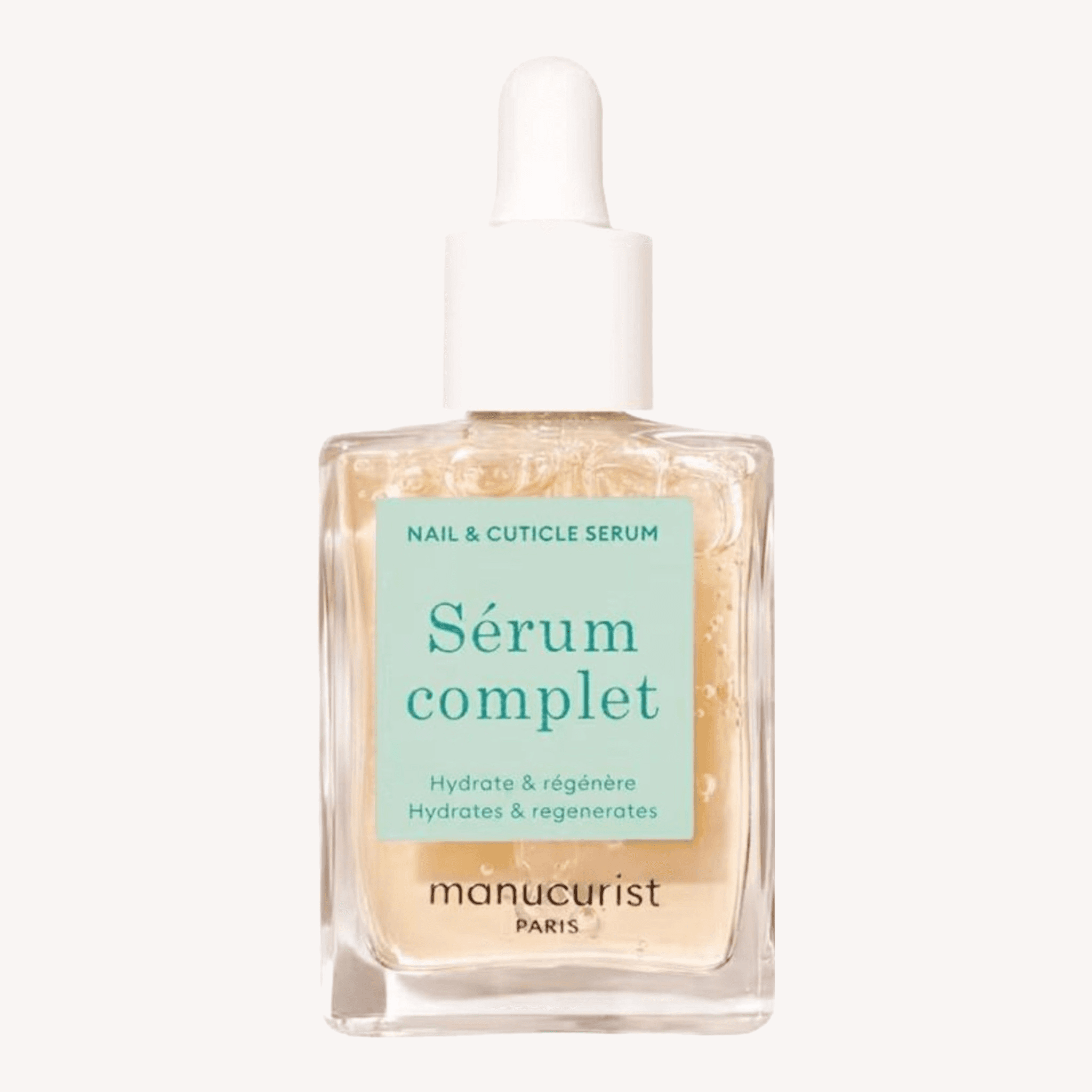
Manucurist Complete Serum Nail Strengthener
This nail and cuticle serum hydrates, strengthens, and revitalizes with chestnut extract, panthenol, and plant-based glycerin for healthier-looking nails.

AlphaRet Overnight Cream
This overnight cream combines a retinoid and alpha hydroxy acid to smooth fine lines, refine texture, and support brighter, renewed skin.

Prequel Retinal Renew Retinaldehyde Gel
This retinaldehyde gel supports visible skin renewal with 0.1% retinal, helping smooth fine lines, refine texture, and promote a more even complexion.
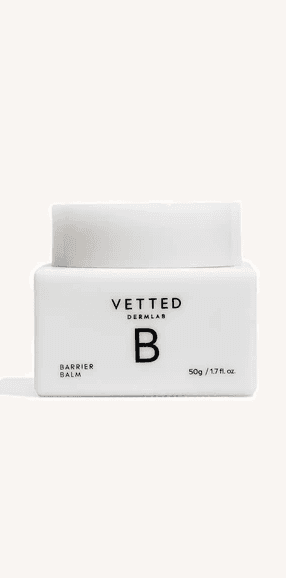
Vetted Dermlab B Balm
VETTED B Balm is a fragrance-free, sensitive-skin-safe formula that soothes, repairs, and restores dry, irritated skin and lips with barrier-supporting lipids and calming actives.
Saie Glowy Super Skin Tint Foundation
This lightweight skin tint blends skincare and makeup with buildable coverage, helping hydrate, brighten, and leave skin with a luminous finish.
Prequel Retinal Renew Retinaldehyde Gel
This retinaldehyde gel supports visible skin renewal with 0.1% retinal, helping smooth fine lines, refine texture, and promote a more even complexion.
Saie Glowy Super Skin Tint Foundation
This lightweight skin tint blends skincare and makeup with buildable coverage, helping hydrate, brighten, and leave skin with a luminous finish.
Manucurist Complete Serum Nail Strengthener
This nail and cuticle serum hydrates, strengthens, and revitalizes with chestnut extract, panthenol, and plant-based glycerin for healthier-looking nails.
AlphaRet Overnight Cream
This overnight cream combines a retinoid and alpha hydroxy acid to smooth fine lines, refine texture, and support brighter, renewed skin.

Carina Woodruff, MD
Carina Woodruff, MD
Founder and Board-Certified Dermatologist
Founder and Board-Certified Dermatologist
Board-certified dermatologist helping patients achieve healthy, confident skin with evidence-based care, thoughtful guidance, and realistic routines.
Board-certified dermatologist helping patients achieve healthy, confident skin with evidence-based care, thoughtful guidance, and realistic routines.