Allergic Contact Dermatitis
6 min read
The “Fresh and Clean” Trap: When Intimate-Care Products Cause a Rash
The “Fresh and Clean” Trap: When Intimate-Care Products Cause a Rash
Scented washes, wipes, pads, liners, detergents, and “natural” products can irritate delicate skin - and sometimes cause true allergic contact dermatitis.

THE BIG TAKEAWAY
Your vulva is not dirty, and it does not need a complicated hygiene routine.
The vulvar area is delicate, product-sensitive skin. Scented washes, wipes, sprays, liners, essential oils, fragranced detergents, and “feminine” products can trigger burning, itching, irritation, or allergic reactions.
Clean should not burn. Fresh should not itch.
If symptoms are persistent, recurrent, painful, or not responding as expected, do not keep guessing or repeatedly treating for yeast. See a dermatologist or gynecologist for the right diagnosis and plan.
Your vulva is not dirty, and it does not need a complicated hygiene routine.
The vulvar area is delicate, product-sensitive skin. Scented washes, wipes, sprays, liners, essential oils, fragranced detergents, and “feminine” products can trigger burning, itching, irritation, or allergic reactions.
Clean should not burn. Fresh should not itch.
If symptoms are persistent, recurrent, painful, or not responding as expected, do not keep guessing or repeatedly treating for yeast. See a dermatologist or gynecologist for the right diagnosis and plan.
Allergic Contact Dermatitis
6 min read
The “Fresh and Clean” Trap: When Intimate-Care Products Cause a Rash
Scented washes, wipes, pads, liners, detergents, and “natural” products can irritate delicate skin - and sometimes cause true allergic contact dermatitis.
SHARE
SHARE
SAVE
SAVE
If there is one message I wish more women heard earlier, it is this: your vulva is not dirty.
It is skin - delicate, friction-prone, product-sensitive skin - and it often gets worse when we try to “freshen” it with scented washes, wipes, liners, deodorizing sprays, essential oils, fragranced detergents, or pads marketed as clean, natural, botanical, or feminine.
I understand why these products are tempting. The marketing is very persuasive. It suggests that normal bodies need constant correction. But from a dermatology standpoint, the vulvar area usually does best with less product, not more.
First, a quick anatomy clarification
The vagina is internal. The vulva is external. Most “feminine hygiene” products are used on or near the vulva, which means they are contacting skin.
That skin is more sensitive than many other areas because it deals with moisture, heat, friction, sweat, urine, menstrual products, tight clothing, exercise, sex, shaving, and occlusion. Add fragrance or irritating ingredients, and the skin barrier can get cranky very quickly.
Irritation is not the same as allergy
Dermatologists think about two major categories: irritant contact dermatitis and allergic contact dermatitis.
Irritant contact dermatitis is more like wear-and-tear. The skin is being damaged by friction, moisture, over-washing, soaps, wipes, sweat, pads, urine, or repeated exposure to something harsh. It can burn, sting, itch, and feel raw.
Allergic contact dermatitis is different. This is an immune reaction to a specific ingredient. Fragrance, preservatives, topical medications, botanicals, essential oils, rubber/adhesives, and certain product ingredients can all be culprits. Once you develop a true allergy, tiny exposures can keep reigniting the rash.
Here is the tricky part: the symptoms can look very similar. Both can itch. Both can burn. Both can be red or uncomfortable. And both can be mistaken for yeast, bacterial vaginosis, an STI, shaving irritation, or “just sensitive skin.”
Common product triggers
The most common story is not dramatic. It is usually something like this:
“I started using wipes after workouts.”
“I switched to scented pads.”
“I bought a natural wash.”
“I used a new detergent.”
“I thought essential oils would be gentler.”
Natural does not automatically mean non-allergenic. Poison ivy is natural. Fragrance molecules from botanicals and essential oils can absolutely cause allergic contact dermatitis. “Unscented” can also be confusing because some unscented products contain masking fragrance. For highly reactive patients, “fragrance-free” is usually the better phrase to look for.
A composite case: the recurring yeast infection that was not yeast
A common scenario in clinic: a woman has months of vulvar itching and burning. She has tried over-the-counter yeast treatments several times. Maybe she felt briefly better, maybe not. The symptoms keep coming back.
When we walk through her routine, she is using scented laundry detergent, panty liners most days, wipes after workouts, and a “pH-balancing” wash. She is doing all of this because she is trying to be clean. Unfortunately, her skin is interpreting the routine as a hostile work environment.
After an exam and appropriate testing to rule out infections or other vulvar conditions, the plan may include stopping unnecessary products, switching to fragrance-free basics, protecting the skin barrier, and sometimes using prescription medication to calm inflammation. If the rash is recurrent or the pattern suggests allergy, patch testing can help identify specific ingredients to avoid.
What to stop doing first
This is general education, not personal medical advice, but the usual dermatologist-friendly reset is simple:
Avoid scented vulvar washes, sprays, wipes, and deodorants.
Avoid essential oils in this area.
Choose fragrance-free laundry detergent.
Use plain, breathable underwear.
Avoid daily liners unless medically necessary.
Wash externally with water or a very gentle fragrance-free cleanser if needed.
Do not put skincare actives in this area unless specifically directed by a clinician.
Do not keep repeating antifungal treatments if no one has confirmed yeast.
When patch testing helps
Patch testing is not the same as a quick “try a little product on your arm” test. True medical patch testing is a structured process where small amounts of common allergens are placed on the back and read over several days to look for delayed allergic reactions.
This can be incredibly helpful for patients with recurrent dermatitis, eyelid rashes, lip rashes, hand eczema, facial dermatitis, and vulvar or body rashes that keep returning despite reasonable treatment.
Patch testing does not answer every question, but when it identifies a relevant allergen, it can be a game changer. Instead of guessing, you can avoid the specific ingredient family causing the problem.
When to see a clinician
Please do not assume all vulvar itching is yeast. It can be, but it can also be dermatitis, psoriasis, lichen sclerosus, lichen planus, infection, hormonal dryness, nerve-related discomfort, or another condition that deserves proper diagnosis.
See a dermatologist or gynecologist if symptoms are persistent, recurrent, painful, associated with sores, bleeding, discharge, skin color changes, fissures, swelling, or not responding as expected.
The bottom line: clean should not burn. Fresh should not itch. And your vulva does not need a 7-step routine.
If there is one message I wish more women heard earlier, it is this: your vulva is not dirty.
It is skin - delicate, friction-prone, product-sensitive skin - and it often gets worse when we try to “freshen” it with scented washes, wipes, liners, deodorizing sprays, essential oils, fragranced detergents, or pads marketed as clean, natural, botanical, or feminine.
I understand why these products are tempting. The marketing is very persuasive. It suggests that normal bodies need constant correction. But from a dermatology standpoint, the vulvar area usually does best with less product, not more.
First, a quick anatomy clarification
The vagina is internal. The vulva is external. Most “feminine hygiene” products are used on or near the vulva, which means they are contacting skin.
That skin is more sensitive than many other areas because it deals with moisture, heat, friction, sweat, urine, menstrual products, tight clothing, exercise, sex, shaving, and occlusion. Add fragrance or irritating ingredients, and the skin barrier can get cranky very quickly.
Irritation is not the same as allergy
Dermatologists think about two major categories: irritant contact dermatitis and allergic contact dermatitis.
Irritant contact dermatitis is more like wear-and-tear. The skin is being damaged by friction, moisture, over-washing, soaps, wipes, sweat, pads, urine, or repeated exposure to something harsh. It can burn, sting, itch, and feel raw.
Allergic contact dermatitis is different. This is an immune reaction to a specific ingredient. Fragrance, preservatives, topical medications, botanicals, essential oils, rubber/adhesives, and certain product ingredients can all be culprits. Once you develop a true allergy, tiny exposures can keep reigniting the rash.
Here is the tricky part: the symptoms can look very similar. Both can itch. Both can burn. Both can be red or uncomfortable. And both can be mistaken for yeast, bacterial vaginosis, an STI, shaving irritation, or “just sensitive skin.”
Common product triggers
The most common story is not dramatic. It is usually something like this:
“I started using wipes after workouts.”
“I switched to scented pads.”
“I bought a natural wash.”
“I used a new detergent.”
“I thought essential oils would be gentler.”
Natural does not automatically mean non-allergenic. Poison ivy is natural. Fragrance molecules from botanicals and essential oils can absolutely cause allergic contact dermatitis. “Unscented” can also be confusing because some unscented products contain masking fragrance. For highly reactive patients, “fragrance-free” is usually the better phrase to look for.
A composite case: the recurring yeast infection that was not yeast
A common scenario in clinic: a woman has months of vulvar itching and burning. She has tried over-the-counter yeast treatments several times. Maybe she felt briefly better, maybe not. The symptoms keep coming back.
When we walk through her routine, she is using scented laundry detergent, panty liners most days, wipes after workouts, and a “pH-balancing” wash. She is doing all of this because she is trying to be clean. Unfortunately, her skin is interpreting the routine as a hostile work environment.
After an exam and appropriate testing to rule out infections or other vulvar conditions, the plan may include stopping unnecessary products, switching to fragrance-free basics, protecting the skin barrier, and sometimes using prescription medication to calm inflammation. If the rash is recurrent or the pattern suggests allergy, patch testing can help identify specific ingredients to avoid.
What to stop doing first
This is general education, not personal medical advice, but the usual dermatologist-friendly reset is simple:
Avoid scented vulvar washes, sprays, wipes, and deodorants.
Avoid essential oils in this area.
Choose fragrance-free laundry detergent.
Use plain, breathable underwear.
Avoid daily liners unless medically necessary.
Wash externally with water or a very gentle fragrance-free cleanser if needed.
Do not put skincare actives in this area unless specifically directed by a clinician.
Do not keep repeating antifungal treatments if no one has confirmed yeast.
When patch testing helps
Patch testing is not the same as a quick “try a little product on your arm” test. True medical patch testing is a structured process where small amounts of common allergens are placed on the back and read over several days to look for delayed allergic reactions.
This can be incredibly helpful for patients with recurrent dermatitis, eyelid rashes, lip rashes, hand eczema, facial dermatitis, and vulvar or body rashes that keep returning despite reasonable treatment.
Patch testing does not answer every question, but when it identifies a relevant allergen, it can be a game changer. Instead of guessing, you can avoid the specific ingredient family causing the problem.
When to see a clinician
Please do not assume all vulvar itching is yeast. It can be, but it can also be dermatitis, psoriasis, lichen sclerosus, lichen planus, infection, hormonal dryness, nerve-related discomfort, or another condition that deserves proper diagnosis.
See a dermatologist or gynecologist if symptoms are persistent, recurrent, painful, associated with sores, bleeding, discharge, skin color changes, fissures, swelling, or not responding as expected.
The bottom line: clean should not burn. Fresh should not itch. And your vulva does not need a 7-step routine.
SHOP MY SHELF
SHOP MY SHELF
SHOP MY SHELF

Saie Glowy Super Skin Tint Foundation
This lightweight skin tint blends skincare and makeup with buildable coverage, helping hydrate, brighten, and leave skin with a luminous finish.
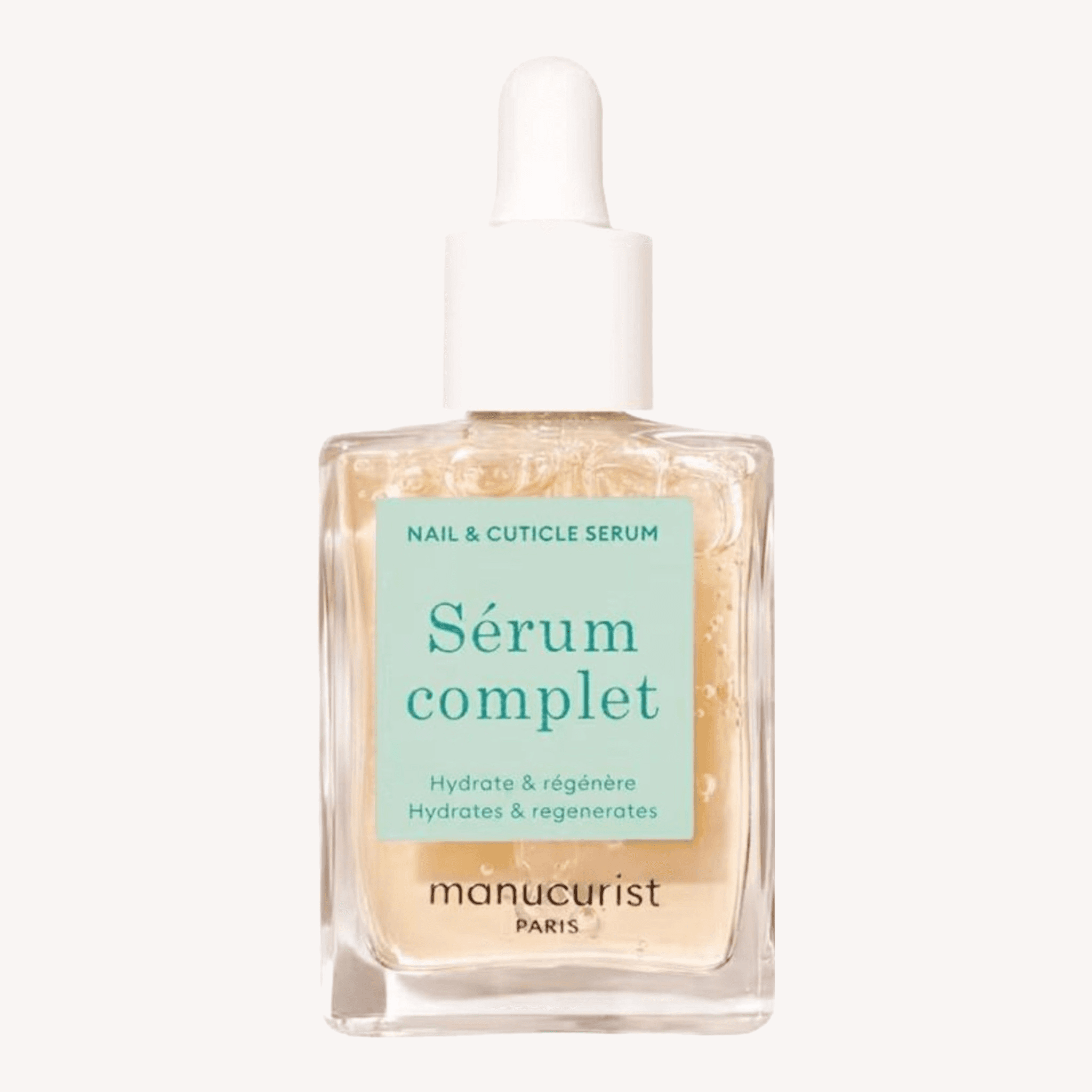
Manucurist Complete Serum Nail Strengthener
This nail and cuticle serum hydrates, strengthens, and revitalizes with chestnut extract, panthenol, and plant-based glycerin for healthier-looking nails.

AlphaRet Overnight Cream
This overnight cream combines a retinoid and alpha hydroxy acid to smooth fine lines, refine texture, and support brighter, renewed skin.

Prequel Retinal Renew Retinaldehyde Gel
This retinaldehyde gel supports visible skin renewal with 0.1% retinal, helping smooth fine lines, refine texture, and promote a more even complexion.
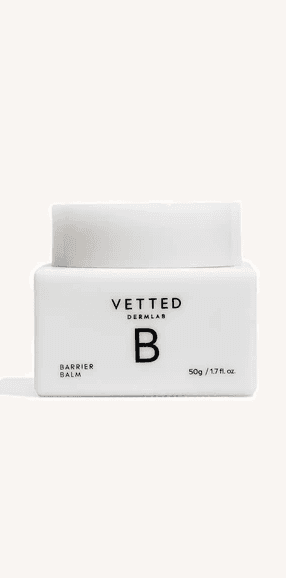
Vetted Dermlab B Balm
VETTED B Balm is a fragrance-free, sensitive-skin-safe formula that soothes, repairs, and restores dry, irritated skin and lips with barrier-supporting lipids and calming actives.
Saie Glowy Super Skin Tint Foundation
This lightweight skin tint blends skincare and makeup with buildable coverage, helping hydrate, brighten, and leave skin with a luminous finish.
Prequel Retinal Renew Retinaldehyde Gel
This retinaldehyde gel supports visible skin renewal with 0.1% retinal, helping smooth fine lines, refine texture, and promote a more even complexion.
Saie Glowy Super Skin Tint Foundation
This lightweight skin tint blends skincare and makeup with buildable coverage, helping hydrate, brighten, and leave skin with a luminous finish.
Manucurist Complete Serum Nail Strengthener
This nail and cuticle serum hydrates, strengthens, and revitalizes with chestnut extract, panthenol, and plant-based glycerin for healthier-looking nails.
AlphaRet Overnight Cream
This overnight cream combines a retinoid and alpha hydroxy acid to smooth fine lines, refine texture, and support brighter, renewed skin.

Carina Woodruff, MD
Carina Woodruff, MD
Founder and Board-Certified Dermatologist
Founder and Board-Certified Dermatologist
Board-certified dermatologist helping patients achieve healthy, confident skin with evidence-based care, thoughtful guidance, and realistic routines.
Board-certified dermatologist helping patients achieve healthy, confident skin with evidence-based care, thoughtful guidance, and realistic routines.