Sensitive Skin
5 min read
Hailey Bieber’s Perioral Dermatitis Flare-Up: What This Common “Acne-Like” Rash Really Means
Hailey Bieber’s Perioral Dermatitis Flare-Up: What This Common “Acne-Like” Rash Really Means
Hailey Bieber has been candid about her perioral dermatitis, a common inflammatory rash that can look like acne but needs a very different approach.

THE BIG TAKEAWAY
Perioral dermatitis often looks like tiny red, irritated, acne-like bumps around the mouth, nose, or eyes.
It can be triggered or worsened by skincare overload, topical steroid use, heavy creams, certain sunscreens, toothpaste ingredients, hormones, stress, and travel.
The fix is usually not “more skincare.” In many cases, the first step is simplifying the routine and seeing a dermatologist for the right prescription treatment.
Perioral dermatitis often looks like tiny red, irritated, acne-like bumps around the mouth, nose, or eyes.
It can be triggered or worsened by skincare overload, topical steroid use, heavy creams, certain sunscreens, toothpaste ingredients, hormones, stress, and travel.
The fix is usually not “more skincare.” In many cases, the first step is simplifying the routine and seeing a dermatologist for the right prescription treatment.
Sensitive Skin
5 min read
Hailey Bieber’s Perioral Dermatitis Flare-Up: What This Common “Acne-Like” Rash Really Means
Hailey Bieber has been candid about her perioral dermatitis, a common inflammatory rash that can look like acne but needs a very different approach.
SHARE
SHARE
SAVE
SAVE
Hailey Bieber’s Skin Honesty Matters
Hailey Bieber is known for the “glazed skin” aesthetic, but she has also been refreshingly open about dealing with perioral dermatitis. That honesty is important because many people assume that celebrities, beauty founders, or people with access to the best products never struggle with skin conditions.
The reality is very different. Perioral dermatitis is common, frustrating, and often misunderstood. It can flare even in people who take excellent care of their skin. It can also be made worse by the very things people reach for when their skin starts acting up: extra creams, extra actives, extra exfoliation, or the wrong topical medication.
What Is Perioral Dermatitis?
Perioral dermatitis is an inflammatory rash that most often appears around the mouth, but it can also affect the skin around the nose and eyes. It may show up as small red bumps, tiny pustules, dryness, flaking, burning, or tightness.
One reason it is so frustrating is that it can look a lot like acne. Patients often describe it as “little pimples” around the mouth or chin. But unlike classic acne, perioral dermatitis usually does not come with blackheads or clogged pores in the same way. It may feel more irritated, dry, stingy, or sensitive.
That distinction matters because acne treatments can sometimes make perioral dermatitis worse.
Why It Gets Mistaken for Acne
When bumps appear around the mouth or chin, many people immediately think “hormonal acne.” That is understandable, especially because the area overlaps with where adult acne often appears.
But perioral dermatitis behaves differently. It may flare suddenly after a new product, a new sunscreen, travel, weather changes, stress, or topical steroid use. The skin may feel raw or reactive. It may worsen with layered products, heavy moisturizers, occlusive balms, exfoliating acids, or retinoids.
This is why a dermatologist’s evaluation can be so helpful. Treating perioral dermatitis like acne can lead to a cycle of irritation: more bumps, more products, more inflammation, and more frustration.
Common Triggers
Perioral dermatitis does not always have one obvious cause. For many patients, it is a combination of triggers.
Common culprits include:
Heavy facial creams or occlusive balms
New skincare products
Too many active ingredients
Retinoids, exfoliating acids, or harsh cleansers
Certain sunscreens
Topical steroid creams used on the face
Steroid nasal sprays or inhalers in some patients
Toothpaste or dental product irritation
Hormonal shifts
Stress
Travel, sleep disruption, and climate changes
Masks, friction, or repeated irritation around the mouth
The “skincare overload” piece is especially relevant right now. Many people are using multiple serums, acids, retinoids, masks, oils, barrier creams, and sunscreen formulas at once. Even good ingredients can become too much when the skin barrier is already inflamed.
Why Steroid Creams Can Be a Problem
This is one of the most important points.
Topical steroid creams can temporarily calm redness and inflammation, which makes them tempting to use on any rash. But on the face, steroids can trigger or worsen perioral dermatitis in some people. The rash may look better briefly, then rebound when the steroid is stopped. That can create a frustrating cycle where the skin becomes dependent on the steroid for short-term relief but continues to flare underneath.
This does not mean steroids are “bad.” They are important medications when used correctly. But facial rashes need the right diagnosis, the right strength, and the right duration. A persistent rash around the mouth, nose, or eyes should not be repeatedly treated with over-the-counter steroid cream without medical guidance.
The First Step: Simplify
When perioral dermatitis flares, the instinct is often to add more products. Usually, the better move is to subtract.
A dermatologist may recommend a very simple routine:
Gentle cleanser or just water cleansing, depending on the case
Lightweight, non-irritating moisturizer if tolerated
Mineral or sensitive-skin sunscreen if sunscreen is needed and tolerated
Avoidance of exfoliating acids, scrubs, retinoids, fragranced products, and heavy occlusives during the flare
Pausing new products until the skin settles
This “less is more” phase can feel boring, especially in a culture obsessed with complicated skincare routines. But for perioral dermatitis, boring can be therapeutic.
Treatment Options Dermatologists May Use
Perioral dermatitis often needs prescription treatment, especially if it is persistent, spreading, or recurrent.
Depending on the patient, a dermatologist may consider topical medications such as metronidazole, clindamycin, erythromycin, azelaic acid, ivermectin, or other anti-inflammatory options. In more stubborn cases, oral antibiotics may be used for their anti-inflammatory effect.
The exact plan depends on the severity, location, patient age, pregnancy status, skin sensitivity, and whether there has been steroid exposure.
This is not a condition where one viral product or one influencer routine works for everyone. The right treatment should be individualized.
What Not to Do During a Flare
If you think you may have perioral dermatitis, avoid the common “panic routine.”
Do not start exfoliating more.
Do not layer multiple acne treatments.
Do not apply steroid cream to the face unless specifically instructed by your clinician.
Do not try a new product every few days.
Do not assume every bump around the mouth is acne.
Do not cover the area with heavy balms or oils if they seem to worsen the rash.
Instead, simplify your routine and book an appointment if the rash is persistent, painful, spreading, or affecting the eyes.
When Patch Testing May Matter
Perioral dermatitis can overlap with sensitive skin, irritant dermatitis, rosacea-like inflammation, and allergic contact dermatitis. If flares keep returning or seem connected to skincare, sunscreen, makeup, toothpaste, lip products, or facial treatments, patch testing may be worth discussing.
Patch testing helps identify delayed allergic reactions to ingredients found in personal care products, fragrances, preservatives, sunscreens, dental products, and topical medications. For patients who keep flaring despite “doing everything right,” this can be an important missing piece.
The Bigger Lesson from Hailey’s Flare-Up
Hailey Bieber’s openness is a helpful reminder that skin does not have to be flawless to be healthy, and even people associated with beauty trends can struggle with inflammatory skin conditions.
Perioral dermatitis is not a hygiene issue. It is not simply “bad skin.” It is not always acne. And it often does not respond well to a maximalist skincare approach.
Sometimes the most skin-smart move is to stop chasing glow, calm the inflammation, protect the barrier, and get the right diagnosis.
Bottom Line
If you have a recurring rash around the mouth, nose, or eyes that looks like tiny bumps, burns, flakes, or worsens with products, it may not be acne. It could be perioral dermatitis.
A dermatologist can help determine what is really going on, simplify your routine, identify possible triggers, and prescribe the right treatment when needed.
Hailey Bieber’s Skin Honesty Matters
Hailey Bieber is known for the “glazed skin” aesthetic, but she has also been refreshingly open about dealing with perioral dermatitis. That honesty is important because many people assume that celebrities, beauty founders, or people with access to the best products never struggle with skin conditions.
The reality is very different. Perioral dermatitis is common, frustrating, and often misunderstood. It can flare even in people who take excellent care of their skin. It can also be made worse by the very things people reach for when their skin starts acting up: extra creams, extra actives, extra exfoliation, or the wrong topical medication.
What Is Perioral Dermatitis?
Perioral dermatitis is an inflammatory rash that most often appears around the mouth, but it can also affect the skin around the nose and eyes. It may show up as small red bumps, tiny pustules, dryness, flaking, burning, or tightness.
One reason it is so frustrating is that it can look a lot like acne. Patients often describe it as “little pimples” around the mouth or chin. But unlike classic acne, perioral dermatitis usually does not come with blackheads or clogged pores in the same way. It may feel more irritated, dry, stingy, or sensitive.
That distinction matters because acne treatments can sometimes make perioral dermatitis worse.
Why It Gets Mistaken for Acne
When bumps appear around the mouth or chin, many people immediately think “hormonal acne.” That is understandable, especially because the area overlaps with where adult acne often appears.
But perioral dermatitis behaves differently. It may flare suddenly after a new product, a new sunscreen, travel, weather changes, stress, or topical steroid use. The skin may feel raw or reactive. It may worsen with layered products, heavy moisturizers, occlusive balms, exfoliating acids, or retinoids.
This is why a dermatologist’s evaluation can be so helpful. Treating perioral dermatitis like acne can lead to a cycle of irritation: more bumps, more products, more inflammation, and more frustration.
Common Triggers
Perioral dermatitis does not always have one obvious cause. For many patients, it is a combination of triggers.
Common culprits include:
Heavy facial creams or occlusive balms
New skincare products
Too many active ingredients
Retinoids, exfoliating acids, or harsh cleansers
Certain sunscreens
Topical steroid creams used on the face
Steroid nasal sprays or inhalers in some patients
Toothpaste or dental product irritation
Hormonal shifts
Stress
Travel, sleep disruption, and climate changes
Masks, friction, or repeated irritation around the mouth
The “skincare overload” piece is especially relevant right now. Many people are using multiple serums, acids, retinoids, masks, oils, barrier creams, and sunscreen formulas at once. Even good ingredients can become too much when the skin barrier is already inflamed.
Why Steroid Creams Can Be a Problem
This is one of the most important points.
Topical steroid creams can temporarily calm redness and inflammation, which makes them tempting to use on any rash. But on the face, steroids can trigger or worsen perioral dermatitis in some people. The rash may look better briefly, then rebound when the steroid is stopped. That can create a frustrating cycle where the skin becomes dependent on the steroid for short-term relief but continues to flare underneath.
This does not mean steroids are “bad.” They are important medications when used correctly. But facial rashes need the right diagnosis, the right strength, and the right duration. A persistent rash around the mouth, nose, or eyes should not be repeatedly treated with over-the-counter steroid cream without medical guidance.
The First Step: Simplify
When perioral dermatitis flares, the instinct is often to add more products. Usually, the better move is to subtract.
A dermatologist may recommend a very simple routine:
Gentle cleanser or just water cleansing, depending on the case
Lightweight, non-irritating moisturizer if tolerated
Mineral or sensitive-skin sunscreen if sunscreen is needed and tolerated
Avoidance of exfoliating acids, scrubs, retinoids, fragranced products, and heavy occlusives during the flare
Pausing new products until the skin settles
This “less is more” phase can feel boring, especially in a culture obsessed with complicated skincare routines. But for perioral dermatitis, boring can be therapeutic.
Treatment Options Dermatologists May Use
Perioral dermatitis often needs prescription treatment, especially if it is persistent, spreading, or recurrent.
Depending on the patient, a dermatologist may consider topical medications such as metronidazole, clindamycin, erythromycin, azelaic acid, ivermectin, or other anti-inflammatory options. In more stubborn cases, oral antibiotics may be used for their anti-inflammatory effect.
The exact plan depends on the severity, location, patient age, pregnancy status, skin sensitivity, and whether there has been steroid exposure.
This is not a condition where one viral product or one influencer routine works for everyone. The right treatment should be individualized.
What Not to Do During a Flare
If you think you may have perioral dermatitis, avoid the common “panic routine.”
Do not start exfoliating more.
Do not layer multiple acne treatments.
Do not apply steroid cream to the face unless specifically instructed by your clinician.
Do not try a new product every few days.
Do not assume every bump around the mouth is acne.
Do not cover the area with heavy balms or oils if they seem to worsen the rash.
Instead, simplify your routine and book an appointment if the rash is persistent, painful, spreading, or affecting the eyes.
When Patch Testing May Matter
Perioral dermatitis can overlap with sensitive skin, irritant dermatitis, rosacea-like inflammation, and allergic contact dermatitis. If flares keep returning or seem connected to skincare, sunscreen, makeup, toothpaste, lip products, or facial treatments, patch testing may be worth discussing.
Patch testing helps identify delayed allergic reactions to ingredients found in personal care products, fragrances, preservatives, sunscreens, dental products, and topical medications. For patients who keep flaring despite “doing everything right,” this can be an important missing piece.
The Bigger Lesson from Hailey’s Flare-Up
Hailey Bieber’s openness is a helpful reminder that skin does not have to be flawless to be healthy, and even people associated with beauty trends can struggle with inflammatory skin conditions.
Perioral dermatitis is not a hygiene issue. It is not simply “bad skin.” It is not always acne. And it often does not respond well to a maximalist skincare approach.
Sometimes the most skin-smart move is to stop chasing glow, calm the inflammation, protect the barrier, and get the right diagnosis.
Bottom Line
If you have a recurring rash around the mouth, nose, or eyes that looks like tiny bumps, burns, flakes, or worsens with products, it may not be acne. It could be perioral dermatitis.
A dermatologist can help determine what is really going on, simplify your routine, identify possible triggers, and prescribe the right treatment when needed.
SHOP MY SHELF
SHOP MY SHELF
SHOP MY SHELF

Saie Glowy Super Skin Tint Foundation
This lightweight skin tint blends skincare and makeup with buildable coverage, helping hydrate, brighten, and leave skin with a luminous finish.
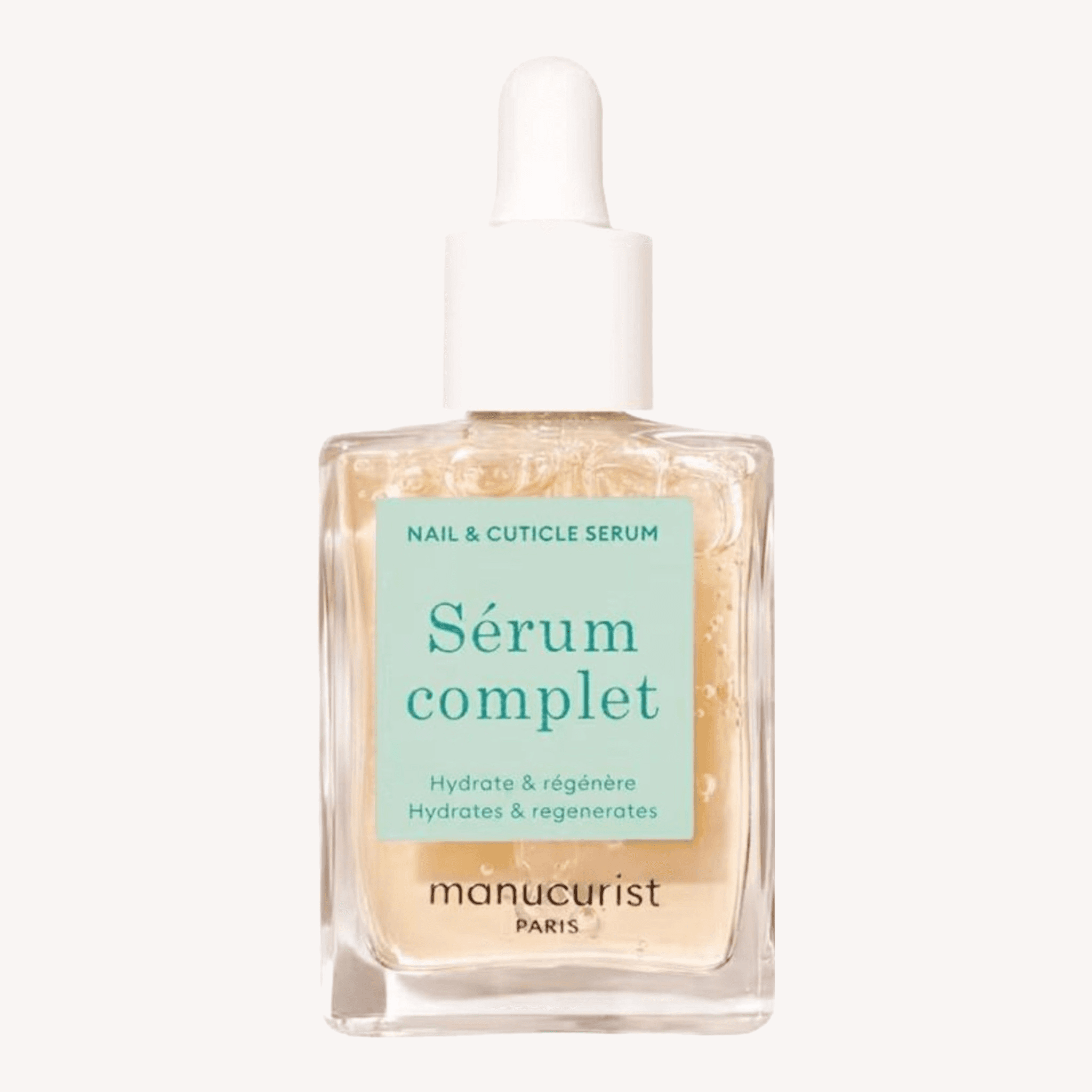
Manucurist Complete Serum Nail Strengthener
This nail and cuticle serum hydrates, strengthens, and revitalizes with chestnut extract, panthenol, and plant-based glycerin for healthier-looking nails.

AlphaRet Overnight Cream
This overnight cream combines a retinoid and alpha hydroxy acid to smooth fine lines, refine texture, and support brighter, renewed skin.

Prequel Retinal Renew Retinaldehyde Gel
This retinaldehyde gel supports visible skin renewal with 0.1% retinal, helping smooth fine lines, refine texture, and promote a more even complexion.
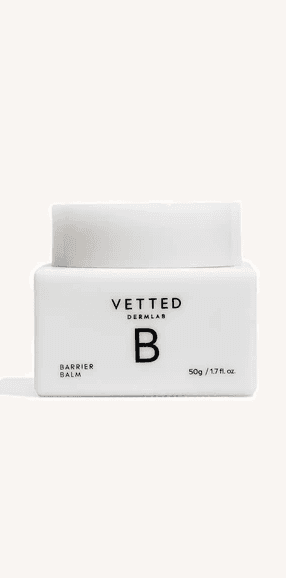
Vetted Dermlab B Balm
VETTED B Balm is a fragrance-free, sensitive-skin-safe formula that soothes, repairs, and restores dry, irritated skin and lips with barrier-supporting lipids and calming actives.
Saie Glowy Super Skin Tint Foundation
This lightweight skin tint blends skincare and makeup with buildable coverage, helping hydrate, brighten, and leave skin with a luminous finish.
Prequel Retinal Renew Retinaldehyde Gel
This retinaldehyde gel supports visible skin renewal with 0.1% retinal, helping smooth fine lines, refine texture, and promote a more even complexion.
Saie Glowy Super Skin Tint Foundation
This lightweight skin tint blends skincare and makeup with buildable coverage, helping hydrate, brighten, and leave skin with a luminous finish.
Manucurist Complete Serum Nail Strengthener
This nail and cuticle serum hydrates, strengthens, and revitalizes with chestnut extract, panthenol, and plant-based glycerin for healthier-looking nails.
AlphaRet Overnight Cream
This overnight cream combines a retinoid and alpha hydroxy acid to smooth fine lines, refine texture, and support brighter, renewed skin.

Carina Woodruff, MD
Carina Woodruff, MD
Founder and Board-Certified Dermatologist
Founder and Board-Certified Dermatologist
Board-certified dermatologist helping patients achieve healthy, confident skin with evidence-based care, thoughtful guidance, and realistic routines.
Board-certified dermatologist helping patients achieve healthy, confident skin with evidence-based care, thoughtful guidance, and realistic routines.