Acne
4 min read
The Diet-Acne Connection: What the Latest Evidence Really Tells Us
The Diet-Acne Connection: What the Latest Evidence Really Tells Us
Dairy, high-glycemic foods and nutrition patterns may affect acne for some patients. Here’s what current evidence really supports.

THE BIG TAKEAWAY
Acne
4 min read
The Diet-Acne Connection: What the Latest Evidence Really Tells Us
Dairy, high-glycemic foods and nutrition patterns may affect acne for some patients. Here’s what current evidence really supports.
SHARE
SHARE
SAVE
SAVE
If you've ever wondered whether that slice of pizza or glass of milk is conspiring against your skin, you're not alone. The relationship between diet and acne has been debated for decades, swinging from complete dismissal in the mid-20th century to renewed scientific interest today. As patients increasingly ask about dietary modifications for acne, let's examine what the current evidence actually shows – and why the answer isn't as clear-cut as social media influencers might have you believe.
The Low-Glycemic Revolution: Promising but Incomplete
The most compelling dietary evidence centers around low-glycemic diets – eating plans that minimize blood sugar spikes by focusing on whole grains, lean proteins, and foods that release energy slowly. The logic is appealing: high-glycemic foods trigger insulin surges, which may stimulate oil production and inflammation in acne-prone skin.
What the Research Shows
The 2024 American Academy of Dermatology guidelines highlight that 3 out of 4 randomized controlled trials demonstrated benefits from low-glycemic diets, though the evidence wasn't strong enough for an official recommendation. Here's what we know:
The Australian Success Story: In a study of 43 young men, those following a low-glycemic diet saw significantly greater improvement than controls, with an average reduction of 8.1 more acne lesions after 12 weeks.
Korean Confirmation: A smaller trial of 32 patients showed meaningful improvement in acne severity scores at 12 weeks for the low-glycemic group, while the control group saw no change.
The Reality Check: However, not all studies paint the same picture. When researchers added a low-glycemic diet to standard benzoyl peroxide treatment in 84 patients, they found no additional benefit compared to the medication alone.
When researchers pooled data from multiple studies, the results were mixed. While some trials suggested benefits for inflammatory acne lesions, overall improvements in non-inflammatory lesions weren't statistically significant.
The Bottom Line on Low-Glycemic Diets
Despite the advice frequently given by wellness influencers on social media - the evidence suggests potential benefits, but it's not slam-dunk proof. Low-glycemic eating may help some people with acne, particularly those with inflammatory lesions, but it's unlikely to be a magic bullet for everyone.
The Dairy Dilemma: Correlation vs. Causation
The dairy-acne connection has generated enormous interest, fueled by observational studies suggesting a link between milk consumption and breakouts. A comprehensive analysis of over 71,000 participants found that milk drinkers had a 16% higher likelihood of having acne compared to non-milk drinkers.
The Plot Thickens
Interestingly, the association was strongest for:
Skim milk (more than whole milk)
High consumption (2 or more cups daily)
This pattern has puzzled researchers. If dairy fats were the culprit, you'd expect whole milk to be worse. Instead, skim milk – with its concentrated proteins and potential hormone residues – showed the strongest association.
The Evidence Limitation
Here's the critical caveat: these were observational studies, not controlled trials. They can identify associations but can't prove that milk actually causes acne. It's entirely possible that people prone to acne are more likely to consume certain foods, or that other lifestyle factors explain the connection.
The official stance? The American Academy of Dermatology states that evidence remains insufficient to recommend avoiding dairy for acne treatment.
What This Means for Your Skin
The current evidence suggests that diet may play a role in acne for some people, but it's far from the complete answer that clean-eating advocates might suggest. Here's how to think about dietary approaches:
Consider a Trial Period
If you're interested in dietary modifications:
Try a low-glycemic approach for 12-16 weeks to assess impact
Consider reducing (not necessarily eliminating) dairy intake
Work with a healthcare provider to ensure nutritional adequacy
Maintain Realistic Expectations
Diet modifications may provide modest improvements for some people, but they're unlikely to replace proven acne treatments like topical retinoids, benzoyl peroxide, or prescription medications.
Individual Variation Matters
Some people may be more sensitive to dietary triggers than others. Pay attention to your own patterns rather than assuming universal rules apply.
The relationship between diet and acne continues to evolve as research progresses. While we don't have definitive answers yet, the
If you've ever wondered whether that slice of pizza or glass of milk is conspiring against your skin, you're not alone. The relationship between diet and acne has been debated for decades, swinging from complete dismissal in the mid-20th century to renewed scientific interest today. As patients increasingly ask about dietary modifications for acne, let's examine what the current evidence actually shows – and why the answer isn't as clear-cut as social media influencers might have you believe.
The Low-Glycemic Revolution: Promising but Incomplete
The most compelling dietary evidence centers around low-glycemic diets – eating plans that minimize blood sugar spikes by focusing on whole grains, lean proteins, and foods that release energy slowly. The logic is appealing: high-glycemic foods trigger insulin surges, which may stimulate oil production and inflammation in acne-prone skin.
What the Research Shows
The 2024 American Academy of Dermatology guidelines highlight that 3 out of 4 randomized controlled trials demonstrated benefits from low-glycemic diets, though the evidence wasn't strong enough for an official recommendation. Here's what we know:
The Australian Success Story: In a study of 43 young men, those following a low-glycemic diet saw significantly greater improvement than controls, with an average reduction of 8.1 more acne lesions after 12 weeks.
Korean Confirmation: A smaller trial of 32 patients showed meaningful improvement in acne severity scores at 12 weeks for the low-glycemic group, while the control group saw no change.
The Reality Check: However, not all studies paint the same picture. When researchers added a low-glycemic diet to standard benzoyl peroxide treatment in 84 patients, they found no additional benefit compared to the medication alone.
When researchers pooled data from multiple studies, the results were mixed. While some trials suggested benefits for inflammatory acne lesions, overall improvements in non-inflammatory lesions weren't statistically significant.
The Bottom Line on Low-Glycemic Diets
Despite the advice frequently given by wellness influencers on social media - the evidence suggests potential benefits, but it's not slam-dunk proof. Low-glycemic eating may help some people with acne, particularly those with inflammatory lesions, but it's unlikely to be a magic bullet for everyone.
The Dairy Dilemma: Correlation vs. Causation
The dairy-acne connection has generated enormous interest, fueled by observational studies suggesting a link between milk consumption and breakouts. A comprehensive analysis of over 71,000 participants found that milk drinkers had a 16% higher likelihood of having acne compared to non-milk drinkers.
The Plot Thickens
Interestingly, the association was strongest for:
Skim milk (more than whole milk)
High consumption (2 or more cups daily)
This pattern has puzzled researchers. If dairy fats were the culprit, you'd expect whole milk to be worse. Instead, skim milk – with its concentrated proteins and potential hormone residues – showed the strongest association.
The Evidence Limitation
Here's the critical caveat: these were observational studies, not controlled trials. They can identify associations but can't prove that milk actually causes acne. It's entirely possible that people prone to acne are more likely to consume certain foods, or that other lifestyle factors explain the connection.
The official stance? The American Academy of Dermatology states that evidence remains insufficient to recommend avoiding dairy for acne treatment.
What This Means for Your Skin
The current evidence suggests that diet may play a role in acne for some people, but it's far from the complete answer that clean-eating advocates might suggest. Here's how to think about dietary approaches:
Consider a Trial Period
If you're interested in dietary modifications:
Try a low-glycemic approach for 12-16 weeks to assess impact
Consider reducing (not necessarily eliminating) dairy intake
Work with a healthcare provider to ensure nutritional adequacy
Maintain Realistic Expectations
Diet modifications may provide modest improvements for some people, but they're unlikely to replace proven acne treatments like topical retinoids, benzoyl peroxide, or prescription medications.
Individual Variation Matters
Some people may be more sensitive to dietary triggers than others. Pay attention to your own patterns rather than assuming universal rules apply.
The relationship between diet and acne continues to evolve as research progresses. While we don't have definitive answers yet, the
SHOP MY SHELF
SHOP MY SHELF
SHOP MY SHELF

Saie Glowy Super Skin Tint Foundation
This lightweight skin tint blends skincare and makeup with buildable coverage, helping hydrate, brighten, and leave skin with a luminous finish.
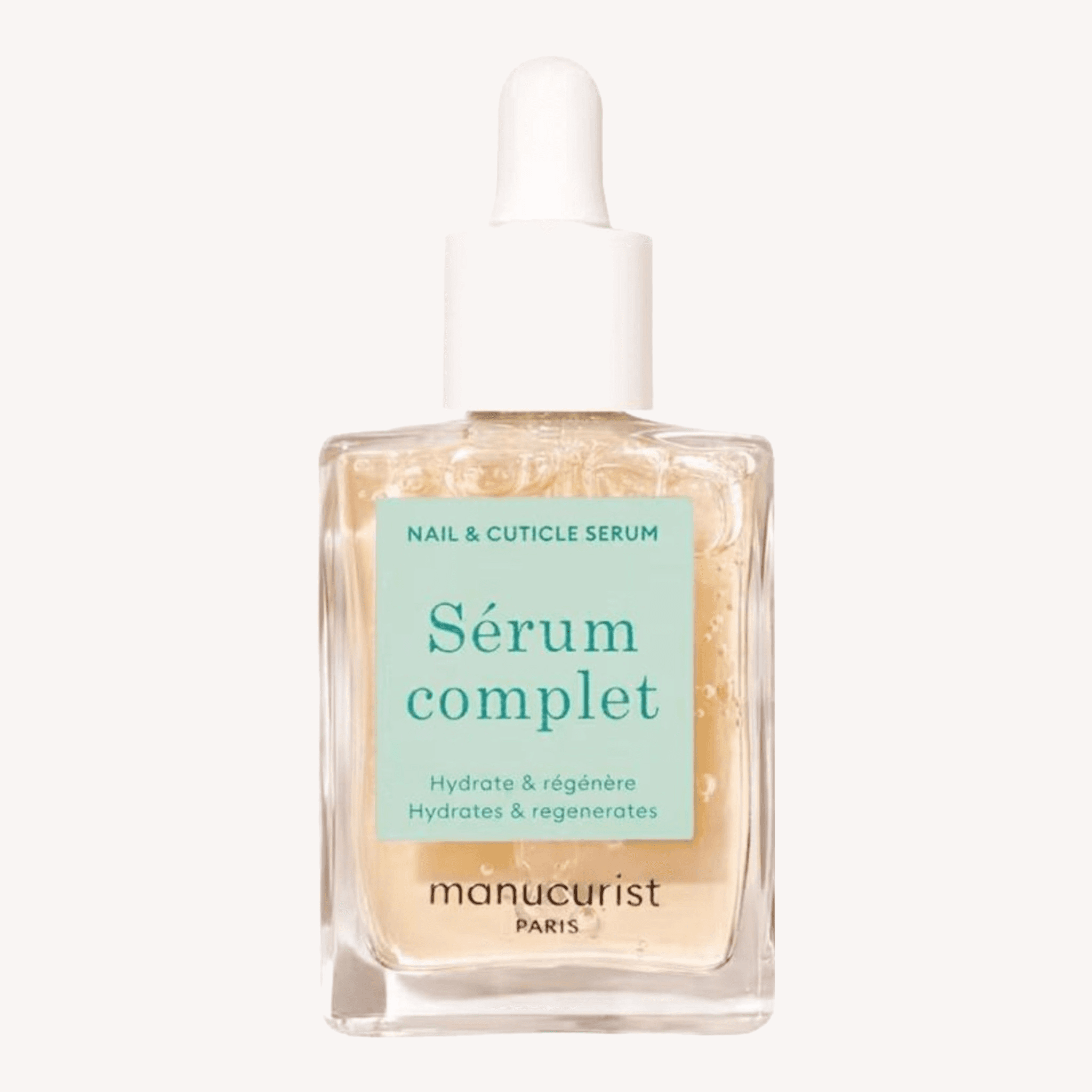
Manucurist Complete Serum Nail Strengthener
This nail and cuticle serum hydrates, strengthens, and revitalizes with chestnut extract, panthenol, and plant-based glycerin for healthier-looking nails.

AlphaRet Overnight Cream
This overnight cream combines a retinoid and alpha hydroxy acid to smooth fine lines, refine texture, and support brighter, renewed skin.

Prequel Retinal Renew Retinaldehyde Gel
This retinaldehyde gel supports visible skin renewal with 0.1% retinal, helping smooth fine lines, refine texture, and promote a more even complexion.
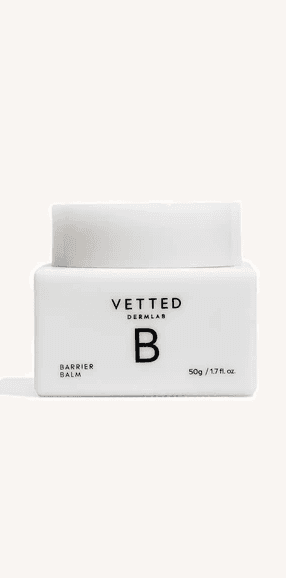
Vetted Dermlab B Balm
VETTED B Balm is a fragrance-free, sensitive-skin-safe formula that soothes, repairs, and restores dry, irritated skin and lips with barrier-supporting lipids and calming actives.
Saie Glowy Super Skin Tint Foundation
This lightweight skin tint blends skincare and makeup with buildable coverage, helping hydrate, brighten, and leave skin with a luminous finish.
Prequel Retinal Renew Retinaldehyde Gel
This retinaldehyde gel supports visible skin renewal with 0.1% retinal, helping smooth fine lines, refine texture, and promote a more even complexion.
Saie Glowy Super Skin Tint Foundation
This lightweight skin tint blends skincare and makeup with buildable coverage, helping hydrate, brighten, and leave skin with a luminous finish.
Manucurist Complete Serum Nail Strengthener
This nail and cuticle serum hydrates, strengthens, and revitalizes with chestnut extract, panthenol, and plant-based glycerin for healthier-looking nails.
AlphaRet Overnight Cream
This overnight cream combines a retinoid and alpha hydroxy acid to smooth fine lines, refine texture, and support brighter, renewed skin.

Carina Woodruff, MD
Carina Woodruff, MD
Founder and Board-Certified Dermatologist
Founder and Board-Certified Dermatologist
Board-certified dermatologist helping patients achieve healthy, confident skin with evidence-based care, thoughtful guidance, and realistic routines.
Board-certified dermatologist helping patients achieve healthy, confident skin with evidence-based care, thoughtful guidance, and realistic routines.