Medical Dermatology
4 min read
What Alisson Becker’s Rosacea Can Teach Us About Redness, Flushing, and Sensitive Skin
What Alisson Becker’s Rosacea Can Teach Us About Redness, Flushing, and Sensitive Skin
Watching Brazil play and noticing Alisson Becker’s facial redness? Rosacea is more than blushing. It can cause flushing, bumps, texture changes, and even eye irritation, but it can be managed.

THE BIG TAKEAWAY
Rosacea is more than facial redness, it can cause flushing, acne-like bumps, visible blood vessels, skin thickening, and eye irritation.
Common triggers include heat, sun exposure, hot drinks, alcohol, spicy foods, stress, intense exercise, wind, cold weather, and irritating skincare products.
Rosacea-prone skin usually does best with a simple, gentle routine: mild cleanser, barrier-supporting moisturizer, and daily sunscreen.
Treatment depends on the type of rosacea. Options may include prescription creams, anti-inflammatory medications, laser or light-based treatments, and eye care when ocular symptoms are present.
Rosacea is chronic, but manageable. The goal is to reduce flares, calm inflammation, protect the skin barrier, and prevent progression.
Rosacea is more than facial redness, it can cause flushing, acne-like bumps, visible blood vessels, skin thickening, and eye irritation.
Common triggers include heat, sun exposure, hot drinks, alcohol, spicy foods, stress, intense exercise, wind, cold weather, and irritating skincare products.
Rosacea-prone skin usually does best with a simple, gentle routine: mild cleanser, barrier-supporting moisturizer, and daily sunscreen.
Treatment depends on the type of rosacea. Options may include prescription creams, anti-inflammatory medications, laser or light-based treatments, and eye care when ocular symptoms are present.
Rosacea is chronic, but manageable. The goal is to reduce flares, calm inflammation, protect the skin barrier, and prevent progression.
Medical Dermatology
4 min read
What Alisson Becker’s Rosacea Can Teach Us About Redness, Flushing, and Sensitive Skin
Watching Brazil play and noticing Alisson Becker’s facial redness? Rosacea is more than blushing. It can cause flushing, bumps, texture changes, and even eye irritation, but it can be managed.
SHARE
SHARE
SAVE
SAVE
Why Rosacea Is Part of the World Cup Conversation
During a Brazil World Cup match, most people are watching the saves, the pressure, and the speed of the game. But every so often, something else starts trending: a player’s skin. Brazil goalkeeper Alisson Becker has spoken publicly about having rosacea, and his visibility on a global stage creates a helpful opportunity to talk about a very common, and often misunderstood, skin condition.
Rosacea is not simply “blushing” or “sensitive skin.” It is a chronic inflammatory skin condition that most often affects the central face: the cheeks, nose, chin, and forehead. It can look different from person to person, which is one reason it is frequently confused with acne, sunburn, allergies, or irritation from skincare products.
What Rosacea Can Look Like
For some people, rosacea shows up as persistent redness or flushing. The face may feel hot, tight, stinging, or easily reactive. For others, it causes acne-like bumps and pustules, often without the blackheads or clogged pores we typically see with acne.
In more advanced or long-standing cases, rosacea can lead to visible blood vessels, swelling, and phymatous changes, meaning thickened, uneven, or textured skin, most commonly on the nose. Rosacea can also affect the eyes, causing dryness, redness, burning, watering, gritty sensation, light sensitivity, or recurrent styes.
Why Rosacea Flares Happen
One of the most important things to understand is that rosacea is highly trigger-driven. Triggers do not cause rosacea by themselves, but they can make the underlying condition flare.
Common triggers include heat, sun exposure, hot drinks, alcohol, spicy foods, emotional stress, intense exercise, wind, cold weather, and irritating skincare products. For an elite athlete playing under bright lights, in heat, stress, and physical exertion, it is easy to see how flushing-prone skin could become more noticeable.
Common Rosacea Triggers to Watch For
The first step in managing rosacea is identifying your own pattern. I often recommend keeping a simple trigger diary for a few weeks. Note when your skin flares and what happened in the hours before.
Were you outside? Did you have red wine, spicy food, a hot shower, a hard workout, or a stressful day? Did you try a new serum, exfoliant, or sunscreen? Patterns are more useful than perfection. You do not need to avoid life, you need to understand your skin’s thresholds.
How to Build a Rosacea-Friendly Skincare Routine
Skincare also matters. Rosacea-prone skin usually does best with a gentle, barrier-supportive routine. That means a mild cleanser, a simple moisturizer, and daily sunscreen.
Mineral sunscreens are often better tolerated by sensitive, redness-prone skin. Avoid harsh scrubs, exfoliating brushes, fragranced products, strong acids used too frequently, and “tingly” skincare that may actually be irritating the skin barrier.
For many patients, simplifying the routine is one of the most effective first steps. When skin is inflamed, more products often create more confusion.
Treatment Options for Redness and Flushing
Treatment depends on what type of rosacea is present. For persistent redness and flushing, prescription creams may help temporarily reduce visible redness, while laser and light-based treatments can target broken blood vessels and background redness.
These treatments are not one-size-fits-all. A dermatologist can help determine whether your redness is mostly vascular, inflammatory, irritation-driven, or a combination.
Treatment Options for Bumps and Pimples
For bumps and pustules, dermatologists may use topical medications such as azelaic acid, ivermectin, metronidazole, or other anti-inflammatory treatments. In more inflamed cases, oral medications, including low-dose doxycycline, may be used for their anti-inflammatory effect.
This is also where rosacea is often mistaken for acne. Using harsh acne products can sometimes make rosacea worse, especially if the skin barrier is already sensitive.
When Rosacea Affects Texture or the Eyes
For phymatous changes, early treatment is important. Once skin thickening develops, procedural treatments such as laser resurfacing or surgical contouring may be needed.
For ocular rosacea, it is important not to ignore eye symptoms. A dermatologist may coordinate with an ophthalmologist, especially if there is eye pain, light sensitivity, vision changes, or persistent irritation.
The Biggest Misconception About Rosacea
The biggest misconception is that rosacea is something you just have to live with. It is chronic, but it is manageable. The goal is not necessarily to “cure” rosacea, but to reduce flares, calm inflammation, protect the skin barrier, and prevent progression.
So, if watching Brazil play makes you wonder about facial redness, whether in a goalkeeper on the world stage or in your own mirror, the takeaway is this: redness has a reason.
When to See a Dermatologist
If your skin flushes easily, burns with products, breaks out in acne-like bumps, or your eyes feel irritated along with facial redness, rosacea may be part of the picture.
The right plan can make a meaningful difference. Start with gentle skincare, daily sun protection, and awareness of your triggers. Then see a board-certified dermatologist who can determine which type of rosacea you have and create a treatment plan tailored to your skin.
Rosacea is common. It is treatable. And no one, World Cup goalkeeper or not, should have to feel like facial redness is something they simply have to accept.
Why Rosacea Is Part of the World Cup Conversation
During a Brazil World Cup match, most people are watching the saves, the pressure, and the speed of the game. But every so often, something else starts trending: a player’s skin. Brazil goalkeeper Alisson Becker has spoken publicly about having rosacea, and his visibility on a global stage creates a helpful opportunity to talk about a very common, and often misunderstood, skin condition.
Rosacea is not simply “blushing” or “sensitive skin.” It is a chronic inflammatory skin condition that most often affects the central face: the cheeks, nose, chin, and forehead. It can look different from person to person, which is one reason it is frequently confused with acne, sunburn, allergies, or irritation from skincare products.
What Rosacea Can Look Like
For some people, rosacea shows up as persistent redness or flushing. The face may feel hot, tight, stinging, or easily reactive. For others, it causes acne-like bumps and pustules, often without the blackheads or clogged pores we typically see with acne.
In more advanced or long-standing cases, rosacea can lead to visible blood vessels, swelling, and phymatous changes, meaning thickened, uneven, or textured skin, most commonly on the nose. Rosacea can also affect the eyes, causing dryness, redness, burning, watering, gritty sensation, light sensitivity, or recurrent styes.
Why Rosacea Flares Happen
One of the most important things to understand is that rosacea is highly trigger-driven. Triggers do not cause rosacea by themselves, but they can make the underlying condition flare.
Common triggers include heat, sun exposure, hot drinks, alcohol, spicy foods, emotional stress, intense exercise, wind, cold weather, and irritating skincare products. For an elite athlete playing under bright lights, in heat, stress, and physical exertion, it is easy to see how flushing-prone skin could become more noticeable.
Common Rosacea Triggers to Watch For
The first step in managing rosacea is identifying your own pattern. I often recommend keeping a simple trigger diary for a few weeks. Note when your skin flares and what happened in the hours before.
Were you outside? Did you have red wine, spicy food, a hot shower, a hard workout, or a stressful day? Did you try a new serum, exfoliant, or sunscreen? Patterns are more useful than perfection. You do not need to avoid life, you need to understand your skin’s thresholds.
How to Build a Rosacea-Friendly Skincare Routine
Skincare also matters. Rosacea-prone skin usually does best with a gentle, barrier-supportive routine. That means a mild cleanser, a simple moisturizer, and daily sunscreen.
Mineral sunscreens are often better tolerated by sensitive, redness-prone skin. Avoid harsh scrubs, exfoliating brushes, fragranced products, strong acids used too frequently, and “tingly” skincare that may actually be irritating the skin barrier.
For many patients, simplifying the routine is one of the most effective first steps. When skin is inflamed, more products often create more confusion.
Treatment Options for Redness and Flushing
Treatment depends on what type of rosacea is present. For persistent redness and flushing, prescription creams may help temporarily reduce visible redness, while laser and light-based treatments can target broken blood vessels and background redness.
These treatments are not one-size-fits-all. A dermatologist can help determine whether your redness is mostly vascular, inflammatory, irritation-driven, or a combination.
Treatment Options for Bumps and Pimples
For bumps and pustules, dermatologists may use topical medications such as azelaic acid, ivermectin, metronidazole, or other anti-inflammatory treatments. In more inflamed cases, oral medications, including low-dose doxycycline, may be used for their anti-inflammatory effect.
This is also where rosacea is often mistaken for acne. Using harsh acne products can sometimes make rosacea worse, especially if the skin barrier is already sensitive.
When Rosacea Affects Texture or the Eyes
For phymatous changes, early treatment is important. Once skin thickening develops, procedural treatments such as laser resurfacing or surgical contouring may be needed.
For ocular rosacea, it is important not to ignore eye symptoms. A dermatologist may coordinate with an ophthalmologist, especially if there is eye pain, light sensitivity, vision changes, or persistent irritation.
The Biggest Misconception About Rosacea
The biggest misconception is that rosacea is something you just have to live with. It is chronic, but it is manageable. The goal is not necessarily to “cure” rosacea, but to reduce flares, calm inflammation, protect the skin barrier, and prevent progression.
So, if watching Brazil play makes you wonder about facial redness, whether in a goalkeeper on the world stage or in your own mirror, the takeaway is this: redness has a reason.
When to See a Dermatologist
If your skin flushes easily, burns with products, breaks out in acne-like bumps, or your eyes feel irritated along with facial redness, rosacea may be part of the picture.
The right plan can make a meaningful difference. Start with gentle skincare, daily sun protection, and awareness of your triggers. Then see a board-certified dermatologist who can determine which type of rosacea you have and create a treatment plan tailored to your skin.
Rosacea is common. It is treatable. And no one, World Cup goalkeeper or not, should have to feel like facial redness is something they simply have to accept.
SHOP MY SHELF
SHOP MY SHELF
SHOP MY SHELF

Saie Glowy Super Skin Tint Foundation
This lightweight skin tint blends skincare and makeup with buildable coverage, helping hydrate, brighten, and leave skin with a luminous finish.
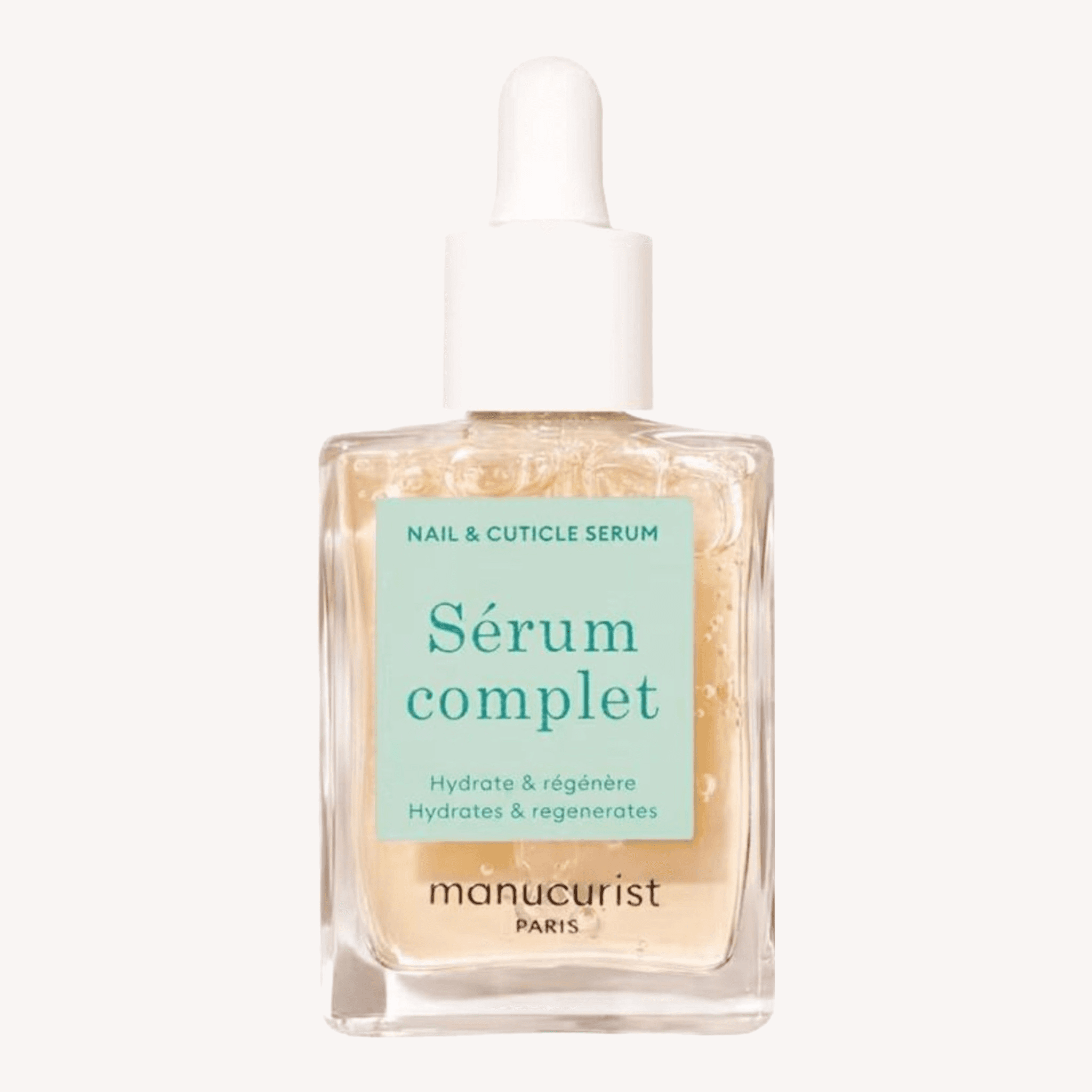
Manucurist Complete Serum Nail Strengthener
This nail and cuticle serum hydrates, strengthens, and revitalizes with chestnut extract, panthenol, and plant-based glycerin for healthier-looking nails.

AlphaRet Overnight Cream
This overnight cream combines a retinoid and alpha hydroxy acid to smooth fine lines, refine texture, and support brighter, renewed skin.

Prequel Retinal Renew Retinaldehyde Gel
This retinaldehyde gel supports visible skin renewal with 0.1% retinal, helping smooth fine lines, refine texture, and promote a more even complexion.
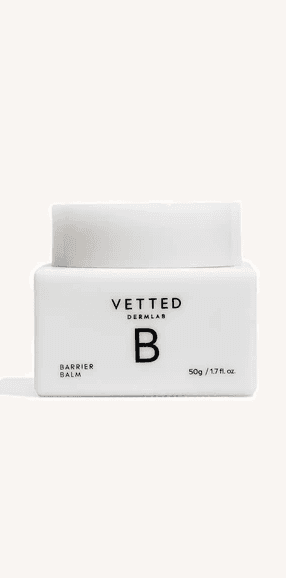
Vetted Dermlab B Balm
VETTED B Balm is a fragrance-free, sensitive-skin-safe formula that soothes, repairs, and restores dry, irritated skin and lips with barrier-supporting lipids and calming actives.
Saie Glowy Super Skin Tint Foundation
This lightweight skin tint blends skincare and makeup with buildable coverage, helping hydrate, brighten, and leave skin with a luminous finish.
Prequel Retinal Renew Retinaldehyde Gel
This retinaldehyde gel supports visible skin renewal with 0.1% retinal, helping smooth fine lines, refine texture, and promote a more even complexion.
Saie Glowy Super Skin Tint Foundation
This lightweight skin tint blends skincare and makeup with buildable coverage, helping hydrate, brighten, and leave skin with a luminous finish.
Manucurist Complete Serum Nail Strengthener
This nail and cuticle serum hydrates, strengthens, and revitalizes with chestnut extract, panthenol, and plant-based glycerin for healthier-looking nails.
AlphaRet Overnight Cream
This overnight cream combines a retinoid and alpha hydroxy acid to smooth fine lines, refine texture, and support brighter, renewed skin.

Carina Woodruff, MD
Carina Woodruff, MD
Founder and Board-Certified Dermatologist
Founder and Board-Certified Dermatologist
Board-certified dermatologist helping patients achieve healthy, confident skin with evidence-based care, thoughtful guidance, and realistic routines.
Board-certified dermatologist helping patients achieve healthy, confident skin with evidence-based care, thoughtful guidance, and realistic routines.