Acne
7 min read
Acne Skincare Can Help - But It Is Not the Same as Acne Treatment
Acne Skincare Can Help - But It Is Not the Same as Acne Treatment
Influencer acne brands and viral routines can be useful for support, but they rarely replace evidence-based acne care.
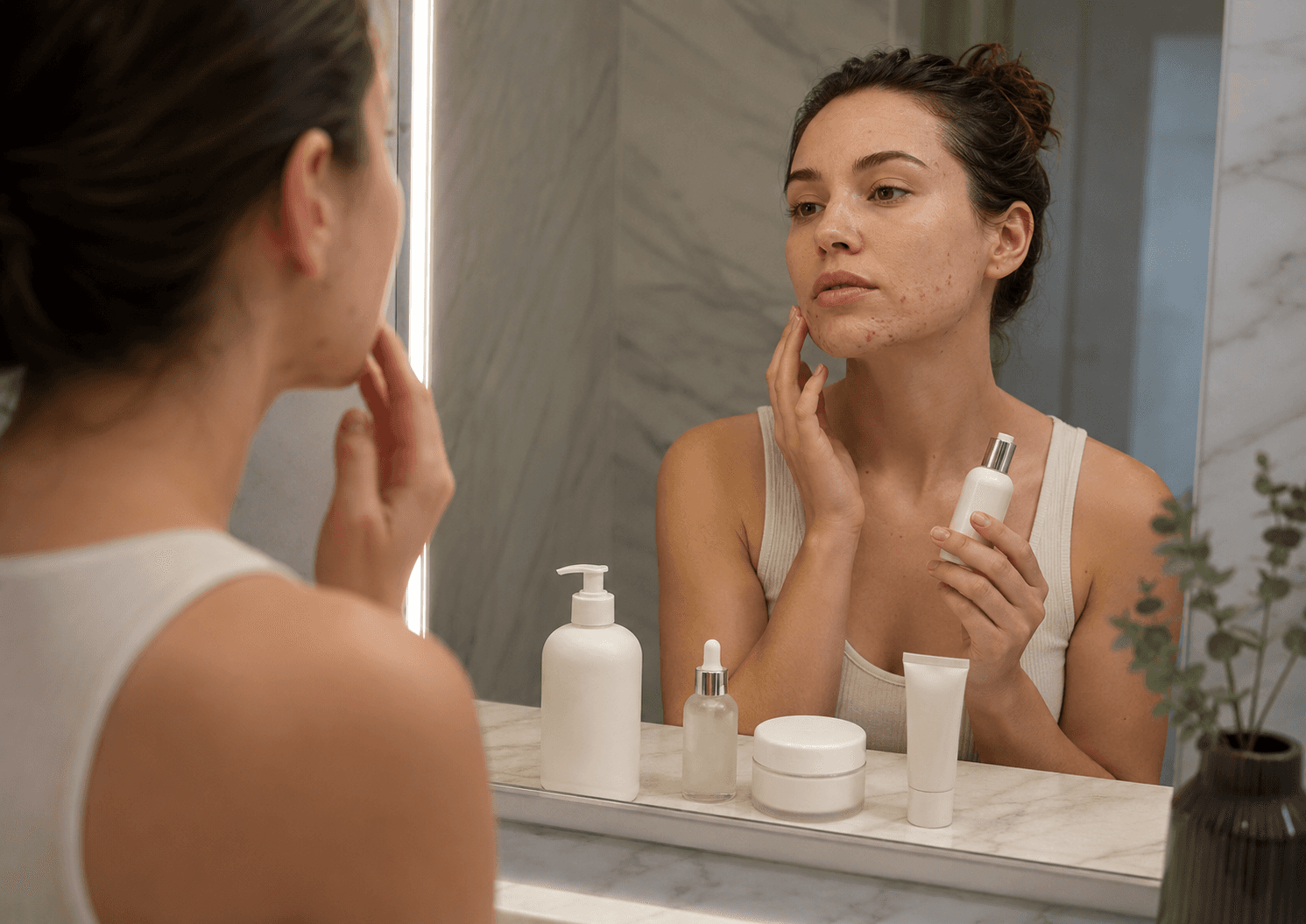
THE BIG TAKEAWAY
Acne skincare can help, but it is not the same as acne treatment.
A good routine should support acne-prone skin: gentle cleanser, one acne-focused active, moisturizer, and daily sunscreen. But if acne is painful, scarring, leaving dark marks, recurring, worsening, or not improving after consistent care, it may need a medical diagnosis and prescription plan.
Persistent acne is not a skincare failure or a product-shopping problem. It is a common medical condition, and the best treatment depends on the type of acne you actually have.
Acne skincare can help, but it is not the same as acne treatment.
A good routine should support acne-prone skin: gentle cleanser, one acne-focused active, moisturizer, and daily sunscreen. But if acne is painful, scarring, leaving dark marks, recurring, worsening, or not improving after consistent care, it may need a medical diagnosis and prescription plan.
Persistent acne is not a skincare failure or a product-shopping problem. It is a common medical condition, and the best treatment depends on the type of acne you actually have.
Acne
7 min read
Acne Skincare Can Help - But It Is Not the Same as Acne Treatment
Influencer acne brands and viral routines can be useful for support, but they rarely replace evidence-based acne care.
SHARE
SHARE
SAVE
SAVE
Acne skincare is everywhere right now.
There are acne cleansers, acne serums, acne-safe moisturizers, acne-safe makeup, pimple patches, exfoliating toners, barrier repair creams, influencer-founded lines, and routines that promise to be gentle, effective, “clean,” clinical, non-toxic, non-comedogenic, and somehow emotionally healing.
Some of these products are genuinely useful.
But skincare and acne treatment are not the same thing.
That distinction matters because many people spend months, or years, buying better products while their acne keeps progressing. They are not lazy. They are not dirty. They are not failing at skincare. They may simply be trying to treat a medical condition with a product category that can only do part of the job.
Acne Is Common, But It Is Not Simple
Acne can look straightforward from the outside: clogged pores, pimples, maybe some oiliness.
But medically, acne can involve abnormal follicular plugging, inflammation, bacteria, oil production, hormones, genetics, medications, stress, friction, and skin barrier disruption. It can present as blackheads, whiteheads, inflamed bumps, pustules, cysts, nodules, post-inflammatory marks, and scars.
Two people can both say, “I have acne,” and need very different plans.
One person may have mostly clogged pores and respond well to a topical retinoid. Another may have painful hormonal jawline cysts that need prescription Spironolactone. Another may have acne plus rosacea. Another may have bumps that are not acne at all, such as folliculitis or perioral dermatitis.
This is why a routine that worked beautifully for someone online may do absolutely nothing for you. It may even make things worse.
Why Acne Skincare Is Having a Moment
Acne skincare is appealing because it feels accessible. You do not need an appointment. You do not need lab work. You do not need to explain your skin history to anyone. You can buy something tonight and feel like you are taking action.
There is also an emotional pull. Acne can be frustrating, painful, and confidence-shaking. When a founder or influencer says, “I struggled with acne too,” that can feel more relatable than a prescription label.
Relatability can be helpful. It is not the same as medical evidence.
A product line may support acne-prone skin, but it cannot accurately diagnose whether you have hormonal acne, comedonal acne, inflammatory acne, acne excoriée, medication-induced acne, folliculitis, rosacea, perioral dermatitis, or a condition that only looks like acne.
And that diagnosis matters.
What Over-the-Counter Acne Skincare Can Realistically Do
Over-the-counter products can help, especially for mild acne or maintenance. The key is knowing what each ingredient is actually doing.
Benzoyl Peroxide
Benzoyl peroxide can help reduce acne-causing bacteria and inflammation. It can be useful for inflammatory breakouts on the face, chest, or back. It also pairs well with certain prescription acne plans.
The downsides: it can be drying, irritating, and it can bleach towels, pillowcases, and clothing. A lower percentage can often be just as useful and better tolerated than a higher one.
Salicylic Acid
Salicylic acid is an oil-soluble beta hydroxy acid that can help with clogged pores and oiliness. It can be helpful for blackheads, whiteheads, and mild congestion.
But more is not better. A salicylic acid cleanser, exfoliating toner, serum, mask, and spot treatment all in the same week may turn acne-prone skin into irritated acne-prone skin. That is not an upgrade.
Adapalene and Retinoid-Based Routines
Adapalene is an over-the-counter topical retinoid in the U.S. and can be a strong option for comedonal and inflammatory acne. Retinoids help normalize how skin cells shed inside the pore, which is central to acne prevention.
The catch is that retinoids require patience. They can cause dryness and irritation early on, especially if started too aggressively. They also need consistency over weeks to months.
Retinoids are not appropriate for everyone, including during pregnancy, and prescription options require individualized guidance.
Azelaic Acid
Azelaic acid can be helpful for acne-prone skin, redness-prone skin, and post-inflammatory hyperpigmentation. It is often well tolerated, though it can still sting or irritate some people.
It is not a magic eraser, but it can be a very useful ingredient in the right routine.
Moisturizer and Sunscreen
Moisturizer and sunscreen are not optional extras in acne care. They help make treatment tolerable.
When patients skip moisturizer because they are oily, they often end up more irritated from acne treatments. When they skip sunscreen because they are acne-prone, post-acne marks can linger longer, especially in pigment-prone skin.
Look for lightweight, non-comedogenic moisturizers and sunscreens. These labels are not perfect, but they are helpful starting points.
When Acne Needs More Than Skincare
Skincare can support acne-prone skin. But acne treatment often requires a plan.
You should consider seeing a dermatologist if your acne is painful, cystic, scarring, leaving dark marks, recurring in the same areas, worsening despite a consistent routine, or affecting your quality of life.
Hormonal-pattern acne is a common reason skincare alone falls short. This often shows up along the jawline, chin, and lower face, with flares around the menstrual cycle. It may require prescription options such as topical medications, oral medications, hormonal therapy, or other treatments depending on the person.
Scarring acne also deserves earlier intervention. Once true textural scarring develops, skincare alone cannot fully reverse it. Procedures like microneedling, lasers, chemical peels, subcision, or other treatments may help later, but the first priority is controlling active acne so new scars are not forming.
Acne Marks Are Not the Same as Acne Scars
This is one of the biggest points of confusion.
Post-inflammatory hyperpigmentation means brown, purple, or grayish marks left behind after inflammation. These are flat. They can fade, but they often take time, sunscreen, and sometimes brightening ingredients or prescription treatment.
Post-inflammatory erythema means red or pink marks left behind after acne, more common in lighter skin tones. These are also flat and relate to blood vessels and inflammation.
True acne scars are textural. They may be indented, raised, rolling, boxcar, ice-pick, or hypertrophic. Skincare can improve overall skin quality, but it usually cannot rebuild significant scar architecture on its own.
So when a product says it helps “acne scars,” pause and ask: do they mean dark marks, red marks, or true scars? Because those are not the same problem.
The Biggest Acne Routine Mistakes
Using Too Many Actives at Once
This is probably the most common mistake.
A person starts benzoyl peroxide, salicylic acid, a retinoid, vitamin C, exfoliating pads, and a clay mask, then wonders why their skin is burning and breaking out.
Acne-prone skin is still skin. It has a barrier. It can become irritated. And irritation can make acne care harder.
Choose one acne active at a time when building a routine. Add slowly. Give the skin time to adjust.
Mistaking Irritation for Purging
Purging is real, but it is overused as an explanation.
A true purge can happen when an acne-active ingredient speeds up turnover in acne-prone areas, temporarily bringing clogged pores to the surface. But burning, swelling, itching, peeling, rashy bumps, or breakouts in new areas may be irritation or allergy, not purging.
If a product makes your skin miserable, do not keep using it for months because the internet told you suffering is part of the glow-up.
Skipping Moisturizer Because Skin Is Oily
Oily skin can still be dehydrated or irritated. Acne treatments often work better when the barrier is supported.
A lightweight moisturizer can reduce dryness, peeling, and stinging, which helps you stay consistent with treatments that actually matter.
Avoiding Sunscreen Because of Breakouts
This is understandable but fixable.
The wrong sunscreen can feel awful. The right sunscreen can protect acne-prone skin without feeling greasy or heavy. For people who get dark marks after acne, sunscreen is especially important because UV exposure can make discoloration last longer.
Changing Products Every Week
Acne treatment takes time. Most acne plans need at least 8 to 12 weeks to show meaningful improvement, unless irritation or side effects require changes sooner.
If you change products every week, you may never know what actually worked.
A Smarter Acne Routine Framework
The best acne routine is not necessarily complicated. It is intentional.
Start with a gentle cleanser. If you are very oily or using heavy sunscreen or makeup, cleanse at night consistently. Avoid scrubs, harsh brushes, and aggressive cleansing.
Choose one treatment lane. That might be benzoyl peroxide, salicylic acid, adapalene, azelaic acid, or a prescription medication. The choice depends on the type of acne and your skin tolerance.
Use moisturizer to protect the barrier. This is especially important if your treatment causes dryness.
Use sunscreen every morning. Acne-prone skin still needs sun protection.
Then give the plan enough time. Take photos every few weeks in consistent lighting rather than judging your skin hourly in a magnifying mirror. The magnifying mirror is rarely a source of emotional stability.
When Prescription Treatment Makes Sense
Prescription acne treatment is not a failure. It is not “giving up” on skincare. It is often the most efficient way to treat a medical condition.
Prescription options may include topical retinoids, topical antibiotics in combination with benzoyl peroxide, azelaic acid, dapsone, oral antibiotics, spironolactone, combined oral contraceptives, isotretinoin, or other individualized treatments.
Not every medication is appropriate for every person. Pregnancy, breastfeeding, medical history, medications, and acne type all matter.
This is where dermatology becomes useful: not because every person needs the strongest treatment, but because the treatment should match the acne.
What About Procedures?
Procedures can be helpful, but timing matters.
Lasers, chemical peels, microneedling, and other treatments may improve acne scars, post-inflammatory discoloration, redness, or texture. But if active acne is still uncontrolled, procedures may be premature or less effective.
Think of it this way: do not renovate the floor while the ceiling is still leaking.
First, control the active acne. Then treat the marks, redness, texture, or scarring with the right tools.
The Bottom Line
A good skincare routine can support acne-prone skin, reduce irritation, and make prescription treatments easier to tolerate.
But persistent acne is a medical condition, not a personality flaw or a product-shopping problem.
If your acne is mild, over-the-counter skincare may be enough. If your acne is painful, scarring, recurrent, worsening, leaving dark marks, or not improving despite consistency, it is worth getting a diagnosis and a plan that matches the type of acne you actually have.
For more evidence-based skincare and acne guidance, subscribe to Skin Deep with Dr. C and follow along on social media. You can also explore my vetted product recommendations for acne-prone skin, including sunscreen, gentle cleansers, and barrier-supporting moisturizers.
If breakouts are persistent, worsening, painful, scarring, spreading, recurrent, or confusing, see a board-certified dermatologist.
Acne skincare is everywhere right now.
There are acne cleansers, acne serums, acne-safe moisturizers, acne-safe makeup, pimple patches, exfoliating toners, barrier repair creams, influencer-founded lines, and routines that promise to be gentle, effective, “clean,” clinical, non-toxic, non-comedogenic, and somehow emotionally healing.
Some of these products are genuinely useful.
But skincare and acne treatment are not the same thing.
That distinction matters because many people spend months, or years, buying better products while their acne keeps progressing. They are not lazy. They are not dirty. They are not failing at skincare. They may simply be trying to treat a medical condition with a product category that can only do part of the job.
Acne Is Common, But It Is Not Simple
Acne can look straightforward from the outside: clogged pores, pimples, maybe some oiliness.
But medically, acne can involve abnormal follicular plugging, inflammation, bacteria, oil production, hormones, genetics, medications, stress, friction, and skin barrier disruption. It can present as blackheads, whiteheads, inflamed bumps, pustules, cysts, nodules, post-inflammatory marks, and scars.
Two people can both say, “I have acne,” and need very different plans.
One person may have mostly clogged pores and respond well to a topical retinoid. Another may have painful hormonal jawline cysts that need prescription Spironolactone. Another may have acne plus rosacea. Another may have bumps that are not acne at all, such as folliculitis or perioral dermatitis.
This is why a routine that worked beautifully for someone online may do absolutely nothing for you. It may even make things worse.
Why Acne Skincare Is Having a Moment
Acne skincare is appealing because it feels accessible. You do not need an appointment. You do not need lab work. You do not need to explain your skin history to anyone. You can buy something tonight and feel like you are taking action.
There is also an emotional pull. Acne can be frustrating, painful, and confidence-shaking. When a founder or influencer says, “I struggled with acne too,” that can feel more relatable than a prescription label.
Relatability can be helpful. It is not the same as medical evidence.
A product line may support acne-prone skin, but it cannot accurately diagnose whether you have hormonal acne, comedonal acne, inflammatory acne, acne excoriée, medication-induced acne, folliculitis, rosacea, perioral dermatitis, or a condition that only looks like acne.
And that diagnosis matters.
What Over-the-Counter Acne Skincare Can Realistically Do
Over-the-counter products can help, especially for mild acne or maintenance. The key is knowing what each ingredient is actually doing.
Benzoyl Peroxide
Benzoyl peroxide can help reduce acne-causing bacteria and inflammation. It can be useful for inflammatory breakouts on the face, chest, or back. It also pairs well with certain prescription acne plans.
The downsides: it can be drying, irritating, and it can bleach towels, pillowcases, and clothing. A lower percentage can often be just as useful and better tolerated than a higher one.
Salicylic Acid
Salicylic acid is an oil-soluble beta hydroxy acid that can help with clogged pores and oiliness. It can be helpful for blackheads, whiteheads, and mild congestion.
But more is not better. A salicylic acid cleanser, exfoliating toner, serum, mask, and spot treatment all in the same week may turn acne-prone skin into irritated acne-prone skin. That is not an upgrade.
Adapalene and Retinoid-Based Routines
Adapalene is an over-the-counter topical retinoid in the U.S. and can be a strong option for comedonal and inflammatory acne. Retinoids help normalize how skin cells shed inside the pore, which is central to acne prevention.
The catch is that retinoids require patience. They can cause dryness and irritation early on, especially if started too aggressively. They also need consistency over weeks to months.
Retinoids are not appropriate for everyone, including during pregnancy, and prescription options require individualized guidance.
Azelaic Acid
Azelaic acid can be helpful for acne-prone skin, redness-prone skin, and post-inflammatory hyperpigmentation. It is often well tolerated, though it can still sting or irritate some people.
It is not a magic eraser, but it can be a very useful ingredient in the right routine.
Moisturizer and Sunscreen
Moisturizer and sunscreen are not optional extras in acne care. They help make treatment tolerable.
When patients skip moisturizer because they are oily, they often end up more irritated from acne treatments. When they skip sunscreen because they are acne-prone, post-acne marks can linger longer, especially in pigment-prone skin.
Look for lightweight, non-comedogenic moisturizers and sunscreens. These labels are not perfect, but they are helpful starting points.
When Acne Needs More Than Skincare
Skincare can support acne-prone skin. But acne treatment often requires a plan.
You should consider seeing a dermatologist if your acne is painful, cystic, scarring, leaving dark marks, recurring in the same areas, worsening despite a consistent routine, or affecting your quality of life.
Hormonal-pattern acne is a common reason skincare alone falls short. This often shows up along the jawline, chin, and lower face, with flares around the menstrual cycle. It may require prescription options such as topical medications, oral medications, hormonal therapy, or other treatments depending on the person.
Scarring acne also deserves earlier intervention. Once true textural scarring develops, skincare alone cannot fully reverse it. Procedures like microneedling, lasers, chemical peels, subcision, or other treatments may help later, but the first priority is controlling active acne so new scars are not forming.
Acne Marks Are Not the Same as Acne Scars
This is one of the biggest points of confusion.
Post-inflammatory hyperpigmentation means brown, purple, or grayish marks left behind after inflammation. These are flat. They can fade, but they often take time, sunscreen, and sometimes brightening ingredients or prescription treatment.
Post-inflammatory erythema means red or pink marks left behind after acne, more common in lighter skin tones. These are also flat and relate to blood vessels and inflammation.
True acne scars are textural. They may be indented, raised, rolling, boxcar, ice-pick, or hypertrophic. Skincare can improve overall skin quality, but it usually cannot rebuild significant scar architecture on its own.
So when a product says it helps “acne scars,” pause and ask: do they mean dark marks, red marks, or true scars? Because those are not the same problem.
The Biggest Acne Routine Mistakes
Using Too Many Actives at Once
This is probably the most common mistake.
A person starts benzoyl peroxide, salicylic acid, a retinoid, vitamin C, exfoliating pads, and a clay mask, then wonders why their skin is burning and breaking out.
Acne-prone skin is still skin. It has a barrier. It can become irritated. And irritation can make acne care harder.
Choose one acne active at a time when building a routine. Add slowly. Give the skin time to adjust.
Mistaking Irritation for Purging
Purging is real, but it is overused as an explanation.
A true purge can happen when an acne-active ingredient speeds up turnover in acne-prone areas, temporarily bringing clogged pores to the surface. But burning, swelling, itching, peeling, rashy bumps, or breakouts in new areas may be irritation or allergy, not purging.
If a product makes your skin miserable, do not keep using it for months because the internet told you suffering is part of the glow-up.
Skipping Moisturizer Because Skin Is Oily
Oily skin can still be dehydrated or irritated. Acne treatments often work better when the barrier is supported.
A lightweight moisturizer can reduce dryness, peeling, and stinging, which helps you stay consistent with treatments that actually matter.
Avoiding Sunscreen Because of Breakouts
This is understandable but fixable.
The wrong sunscreen can feel awful. The right sunscreen can protect acne-prone skin without feeling greasy or heavy. For people who get dark marks after acne, sunscreen is especially important because UV exposure can make discoloration last longer.
Changing Products Every Week
Acne treatment takes time. Most acne plans need at least 8 to 12 weeks to show meaningful improvement, unless irritation or side effects require changes sooner.
If you change products every week, you may never know what actually worked.
A Smarter Acne Routine Framework
The best acne routine is not necessarily complicated. It is intentional.
Start with a gentle cleanser. If you are very oily or using heavy sunscreen or makeup, cleanse at night consistently. Avoid scrubs, harsh brushes, and aggressive cleansing.
Choose one treatment lane. That might be benzoyl peroxide, salicylic acid, adapalene, azelaic acid, or a prescription medication. The choice depends on the type of acne and your skin tolerance.
Use moisturizer to protect the barrier. This is especially important if your treatment causes dryness.
Use sunscreen every morning. Acne-prone skin still needs sun protection.
Then give the plan enough time. Take photos every few weeks in consistent lighting rather than judging your skin hourly in a magnifying mirror. The magnifying mirror is rarely a source of emotional stability.
When Prescription Treatment Makes Sense
Prescription acne treatment is not a failure. It is not “giving up” on skincare. It is often the most efficient way to treat a medical condition.
Prescription options may include topical retinoids, topical antibiotics in combination with benzoyl peroxide, azelaic acid, dapsone, oral antibiotics, spironolactone, combined oral contraceptives, isotretinoin, or other individualized treatments.
Not every medication is appropriate for every person. Pregnancy, breastfeeding, medical history, medications, and acne type all matter.
This is where dermatology becomes useful: not because every person needs the strongest treatment, but because the treatment should match the acne.
What About Procedures?
Procedures can be helpful, but timing matters.
Lasers, chemical peels, microneedling, and other treatments may improve acne scars, post-inflammatory discoloration, redness, or texture. But if active acne is still uncontrolled, procedures may be premature or less effective.
Think of it this way: do not renovate the floor while the ceiling is still leaking.
First, control the active acne. Then treat the marks, redness, texture, or scarring with the right tools.
The Bottom Line
A good skincare routine can support acne-prone skin, reduce irritation, and make prescription treatments easier to tolerate.
But persistent acne is a medical condition, not a personality flaw or a product-shopping problem.
If your acne is mild, over-the-counter skincare may be enough. If your acne is painful, scarring, recurrent, worsening, leaving dark marks, or not improving despite consistency, it is worth getting a diagnosis and a plan that matches the type of acne you actually have.
For more evidence-based skincare and acne guidance, subscribe to Skin Deep with Dr. C and follow along on social media. You can also explore my vetted product recommendations for acne-prone skin, including sunscreen, gentle cleansers, and barrier-supporting moisturizers.
If breakouts are persistent, worsening, painful, scarring, spreading, recurrent, or confusing, see a board-certified dermatologist.
SHOP MY SHELF
SHOP MY SHELF
SHOP MY SHELF

Saie Glowy Super Skin Tint Foundation
This lightweight skin tint blends skincare and makeup with buildable coverage, helping hydrate, brighten, and leave skin with a luminous finish.
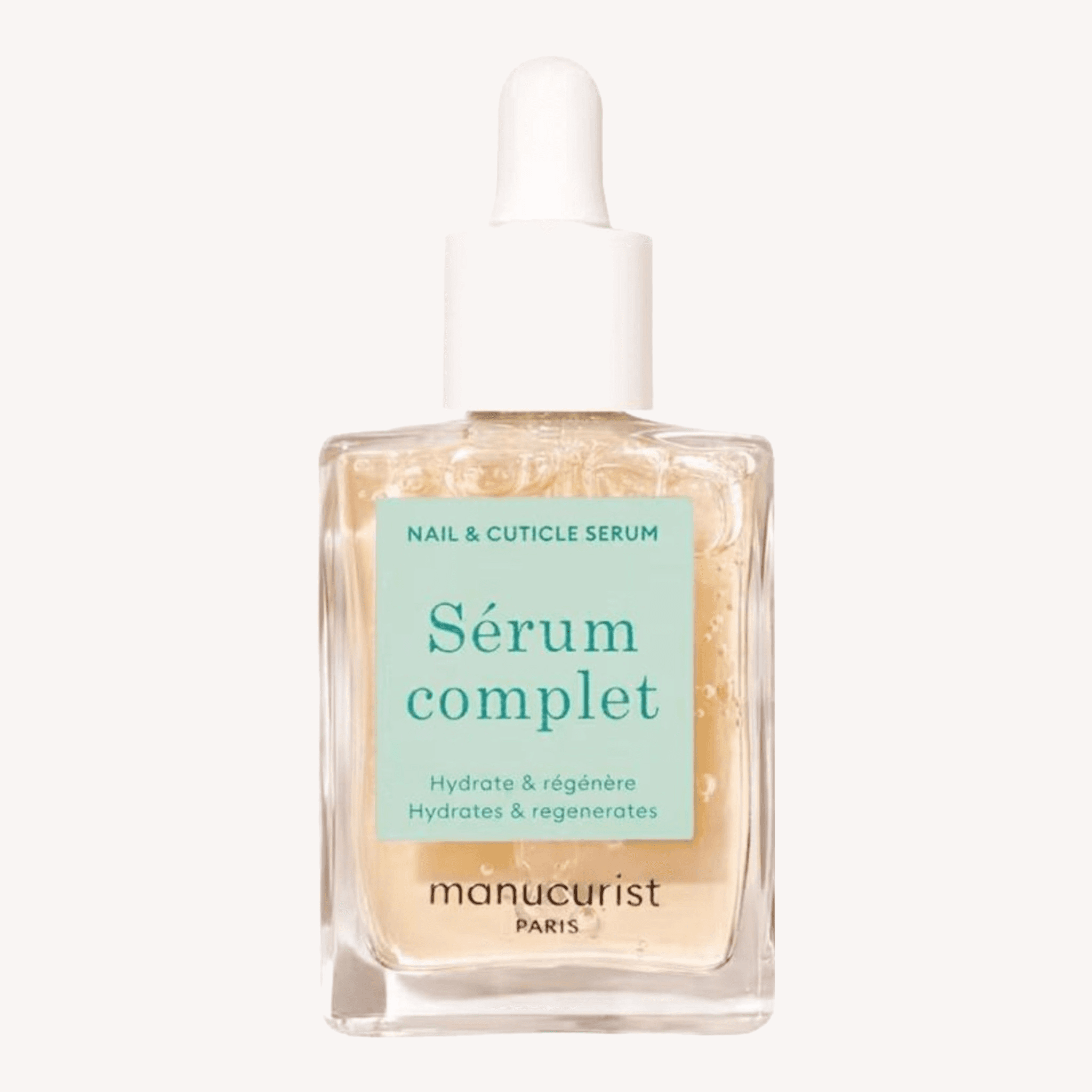
Manucurist Complete Serum Nail Strengthener
This nail and cuticle serum hydrates, strengthens, and revitalizes with chestnut extract, panthenol, and plant-based glycerin for healthier-looking nails.

AlphaRet Overnight Cream
This overnight cream combines a retinoid and alpha hydroxy acid to smooth fine lines, refine texture, and support brighter, renewed skin.

Prequel Retinal Renew Retinaldehyde Gel
This retinaldehyde gel supports visible skin renewal with 0.1% retinal, helping smooth fine lines, refine texture, and promote a more even complexion.
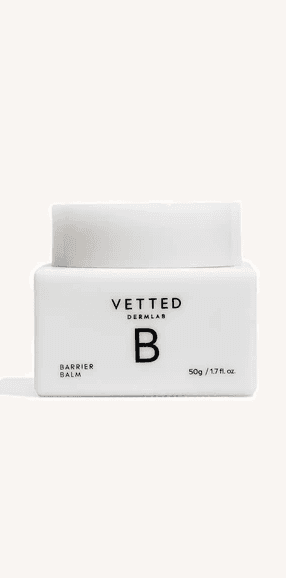
Vetted Dermlab B Balm
VETTED B Balm is a fragrance-free, sensitive-skin-safe formula that soothes, repairs, and restores dry, irritated skin and lips with barrier-supporting lipids and calming actives.
Saie Glowy Super Skin Tint Foundation
This lightweight skin tint blends skincare and makeup with buildable coverage, helping hydrate, brighten, and leave skin with a luminous finish.
Prequel Retinal Renew Retinaldehyde Gel
This retinaldehyde gel supports visible skin renewal with 0.1% retinal, helping smooth fine lines, refine texture, and promote a more even complexion.
Saie Glowy Super Skin Tint Foundation
This lightweight skin tint blends skincare and makeup with buildable coverage, helping hydrate, brighten, and leave skin with a luminous finish.
Manucurist Complete Serum Nail Strengthener
This nail and cuticle serum hydrates, strengthens, and revitalizes with chestnut extract, panthenol, and plant-based glycerin for healthier-looking nails.
AlphaRet Overnight Cream
This overnight cream combines a retinoid and alpha hydroxy acid to smooth fine lines, refine texture, and support brighter, renewed skin.

Carina Woodruff, MD
Carina Woodruff, MD
Founder and Board-Certified Dermatologist
Founder and Board-Certified Dermatologist
Board-certified dermatologist helping patients achieve healthy, confident skin with evidence-based care, thoughtful guidance, and realistic routines.
Board-certified dermatologist helping patients achieve healthy, confident skin with evidence-based care, thoughtful guidance, and realistic routines.